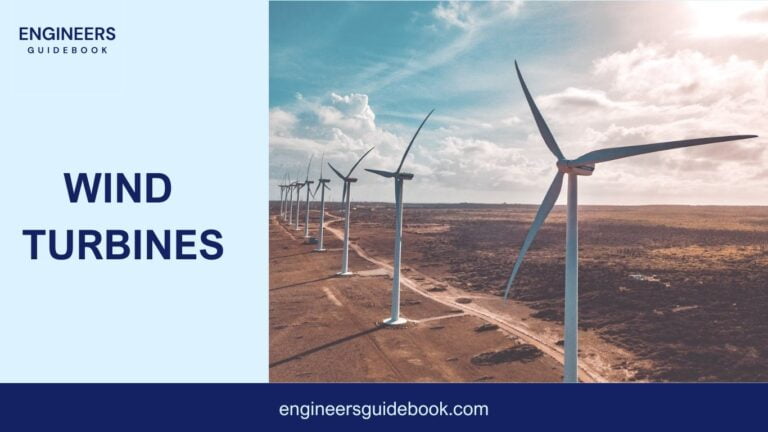
As the world grapples with the pressing challenges of climate change and the relentless demand for sustainable energy solutions, wind energy emerges as a beacon of hope. Harnessing nature’s own forces, wind energy production presents a myriad of benefits that extend far beyond mere energy generation. This article explores the key advantages of wind energy, encompassing environmental, economic, and social dimensions, while also examining its broader implications on global energy systems.
Environmental Benefits
One of the most compelling advantages of wind energy is its minimal environmental impact. Unlike fossil fuels, wind energy is a renewable resource that generates electricity without releasing greenhouse gases. The transition towards wind energy significantly contributes to the reduction of carbon emissions, thereby mitigating the effects of global warming. Wind turbines, strategically placed in locations with consistent wind patterns, can produce clean energy while preserving natural landscapes and ecosystems.
Moreover, wind energy helps conserve precious water resources. Traditional power generation methods, particularly fossil fuel and nuclear power, require substantial amounts of water for cooling and processing. In contrast, wind energy operates without water consumption, making it an ideal solution in arid regions where water scarcity is a growing concern. By alleviating the pressure on aquatic ecosystems, wind energy supports biodiversity and promotes ecological balance.
Another vital aspect of wind energy is its ability to reduce air pollution. Conventional power plants emit a plethora of harmful pollutants, such as sulfur dioxide, nitrogen oxides, and particulate matter, which contribute to respiratory illnesses and environmental degradation. Wind energy, by contrast, produces no emissions during operation, leading to improved air quality and public health outcomes. Communities surrounding wind farms often report reduced instances of asthma and other respiratory conditions linked to air quality improvement.
Economic Advantages
Beyond environmental considerations, wind energy production also offers substantial economic benefits. The wind energy sector has emerged as a robust driver of job creation, with many positions stemming from turbine manufacturing, installation, and maintenance. These jobs often provide competitive wages and contribute to local economies, particularly in rural areas where employment opportunities may be limited.
Additionally, the construction of wind farms stimulates local economies through job creation during the installation phase, resulting in an influx of income for local businesses. Maintenance and operational activities require ongoing workforce engagement, ensuring that economic stimulation persists long after a wind farm’s initial construction. As the wind energy sector continues to evolve, opportunities for specialized training programs and educational initiatives also expand, further developing local skill sets and fostering economic resilience.
Wind energy production is often touted for its potential to lower electricity costs for consumers. As the technology matures and economies of scale come into play, the cost of generating electricity from wind has dramatically decreased. In many regions, wind energy is now one of the most cost-effective sources of new electricity generation. This economic dynamism can lead to reduced reliance on traditional, volatile fossil fuel markets, providing consumers and businesses with a more stable energy pricing structure.
Social Impact and Energy Independence
The social implications of wind energy are profound. Wind farms often engender a sense of community engagement and pride, as local stakeholders become involved in the planning and development process. When communities have a say in their energy sources, it fosters greater awareness of energy issues and bolsters a collective commitment to sustainable practices. Moreover, community-owned wind projects provide a unique opportunity for profits to stay within the locality, resulting in enhanced community infrastructure and services.
The advent of wind energy also contributes to greater energy independence, a crucial factor in today’s geopolitically charged landscape. Many nations seek to reduce their dependence on foreign energy suppliers, and wind energy stands as a viable alternative. By investing in indigenous renewable resources, countries can establish a more secure energy future, free from the fluctuations of international fossil fuel markets. This independence not only enhances national security but also fosters regional stability as nations rely less on external entities for their energy needs.
Technological Advancements and Sustainability
Innovation in technology serves as the backbone of the wind energy sector, continually enhancing performance and efficiency. Advancements in turbine design, materials, and operational efficiencies have led to the development of more powerful and reliable wind energy systems. Modern turbines are capable of operating in lower wind conditions and can capture energy at greater heights, ultimately increasing energy yields and optimizing land use.
Moreover, the integration of wind energy into existing power systems exemplifies the potential for a sustainable energy future. As wind energy becomes increasingly prevalent, it necessitates the development of advanced grid systems capable of accommodating variable energy sources. This integration encourages the proliferation of energy storage solutions, demand response systems, and smart grid technologies, which collectively bolster energy resilience and reliability.
In conclusion, wind energy production stands as an exemplar of sustainable development, characterized by its multifaceted benefits across environmental, economic, and social spheres. As nations strive to create cleaner and more resilient energy systems, the promise of wind energy becomes ever more compelling. By recognizing and harnessing the full spectrum of advantages provided by wind energy, communities and countries alike can take meaningful strides toward a sustainable future, ensuring not only the health of our planet but the well-being of generations to come.






Leave a Comment