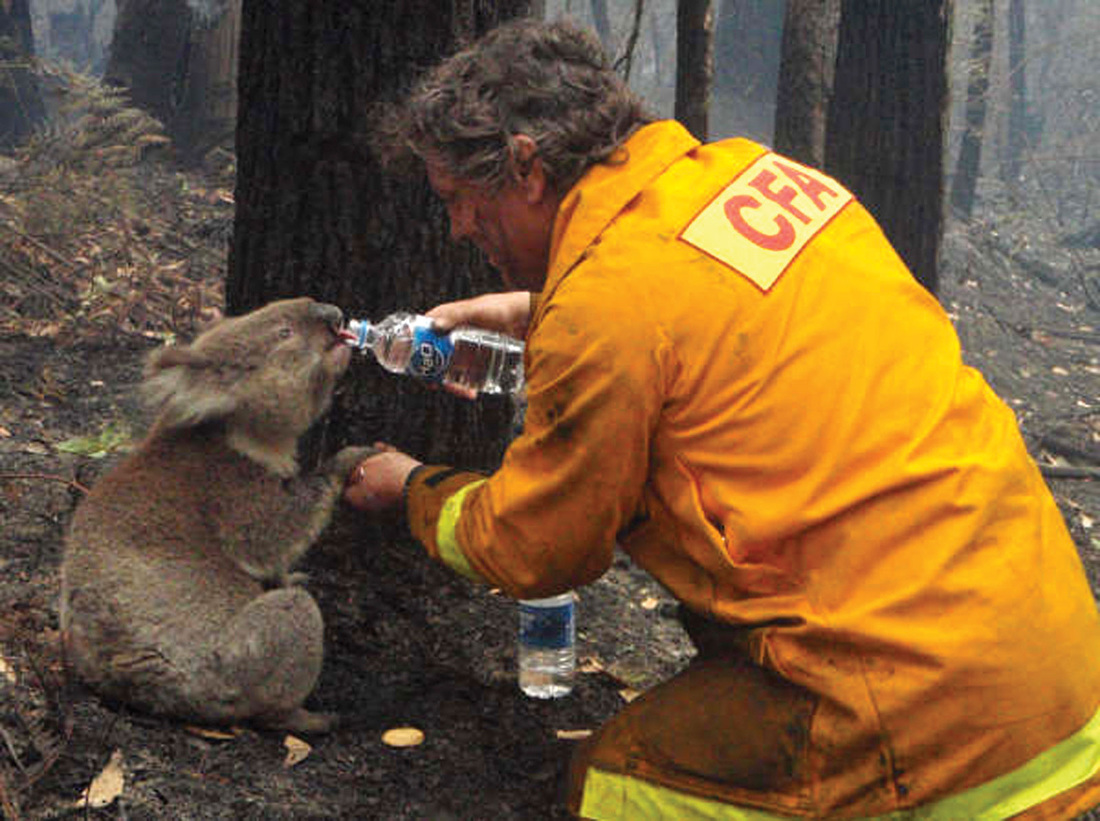
The devastating specter of bushfires has become increasingly familiar in Australia, particularly as climate variability intensifies. This phenomenon not only wreaks havoc on the environment but also exacts a heavy toll on human life and livelihoods. To fully comprehend the enormity of Australia’s bushfires, one must delve into their multifaceted impacts, exploring both ecological ramifications and human experiences.
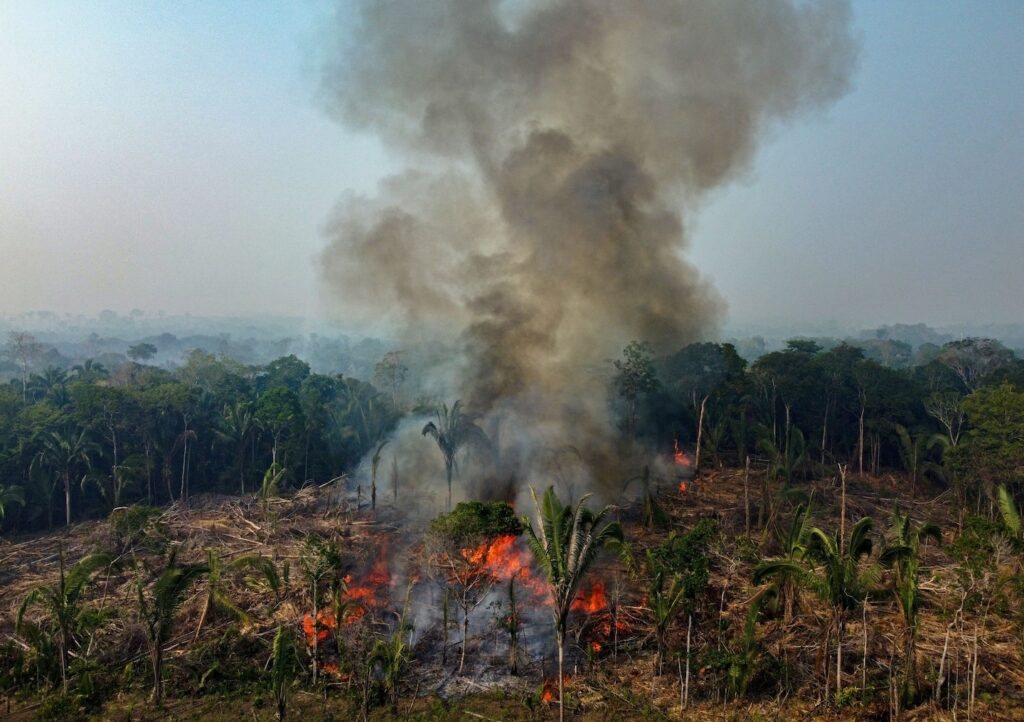
In recent years, the frequency and intensity of bushfires across Australia have grown alarmingly. Factors such as prolonged droughts, skyrocketing temperatures, and shifts in weather patterns culminate to create an environment ripe for wildfires, turning vast tracts of land into ravaged landscapes. However, these flames are more than mere destructive forces; they are harbingers of profound ecological change, the repercussions of which will echo through generations.
Ecological Catastrophe: Immediate and Long-term Effects
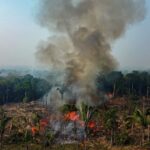
One cannot discuss the environmental impact of bushfires without acknowledging the immediate devastation they cause. The flames consume flora and fauna, obliterating entire ecosystems in the blink of an eye. Indigenous trees and unique plant species face extinction, with the iconic eucalyptus forests, so deeply intertwined with Australian identity, suffering severely in the aftermath of these ferocious blazes. Moreover, numerous animal species are rendered homeless, with many unable to escape the ravenous fires. The Australian fauna, including koalas and kangaroos, tragically becomes a casualty of this ecological warfare.
However, the environmental consequences do not cease once the flames extinguish. Soil erosion emerges as a significant long-term issue. Post-fire landscapes often experience a decline in soil quality due to the loss of vegetation, which is vital for maintaining soil structure. The subsequent erosion leads to sediment runoff into water bodies, creating a vicious cycle of ecological degradation. This issue is further exacerbated by the potential for increased flooding and decreased water quality.
Loss of Biodiversity: The Aftermath of Destruction
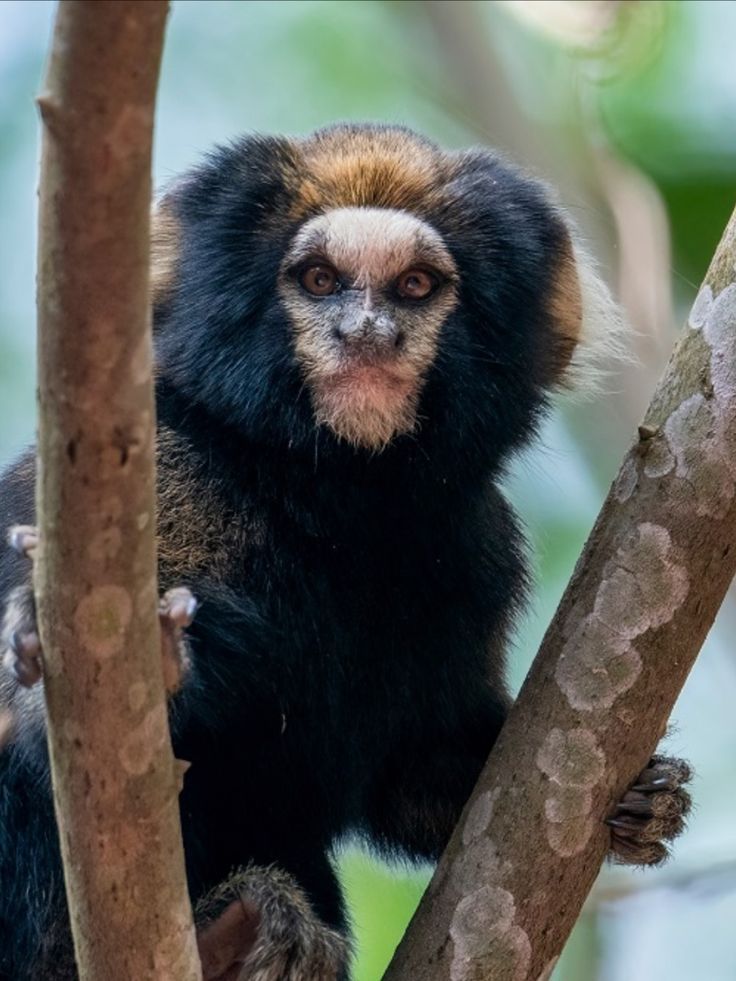
Australia is renowned for its rich biodiversity, a veritable treasure trove of unique species. The impact of bushfires extends far beyond the inferno; it initiates a cascade of biodiversity loss. Certain species, particularly endemic flora and fauna, may never recover from the onslaught of a bushfire. Many plants require years to regenerate, while some animal populations may dwindle to perilously low numbers. This loss threatens the entire ecosystem, disrupts food chains, and alters habitat dynamics, leading to an imbalanced environment where certain species may proliferate unchecked.
Moreover, an insidious phenomenon called “fire-adapted species” begins to dominate once the bushfires pass. These species, having evolved to withstand fire, often outcompete native species, inhibiting the recovery of the ecosystem and leading to homogenization. Consequently, the rich tapestry of biodiversity that characterizes Australia’s natural landscapes is irreparably altered. The ramifications of such loss extend beyond mere numbers; they impact cultural identities, as many species hold significant cultural and spiritual value for Indigenous communities.
Human Cost: Displacement and Trauma
The environmental toll of bushfires intertwines deeply with human experiences, showcasing an intricate web of emotional and economic repercussions. As wildfires rage, communities grapple not only with the physical destruction of homes but also with the intangible scars that linger long after the flames die down. Displacement becomes a harsh reality for countless Australians, forcing families to evacuate their lifelong residences, leaving behind cherished memories in the wake of a disaster that feels both abrupt and overwhelming.
In the aftermath of bushfires, the psychological ramifications of trauma manifest most acutely. Survivors may experience a myriad of mental health challenges, including anxiety, depression, and post-traumatic stress disorder (PTSD). These are not mere statistics; they represent real people whose lives have been irrevocably altered. Furthermore, children exposed to such traumatic events may carry these psychological burdens into adulthood, resulting in long-term emotional consequences.
Economic Ramifications: A Broader Perspective
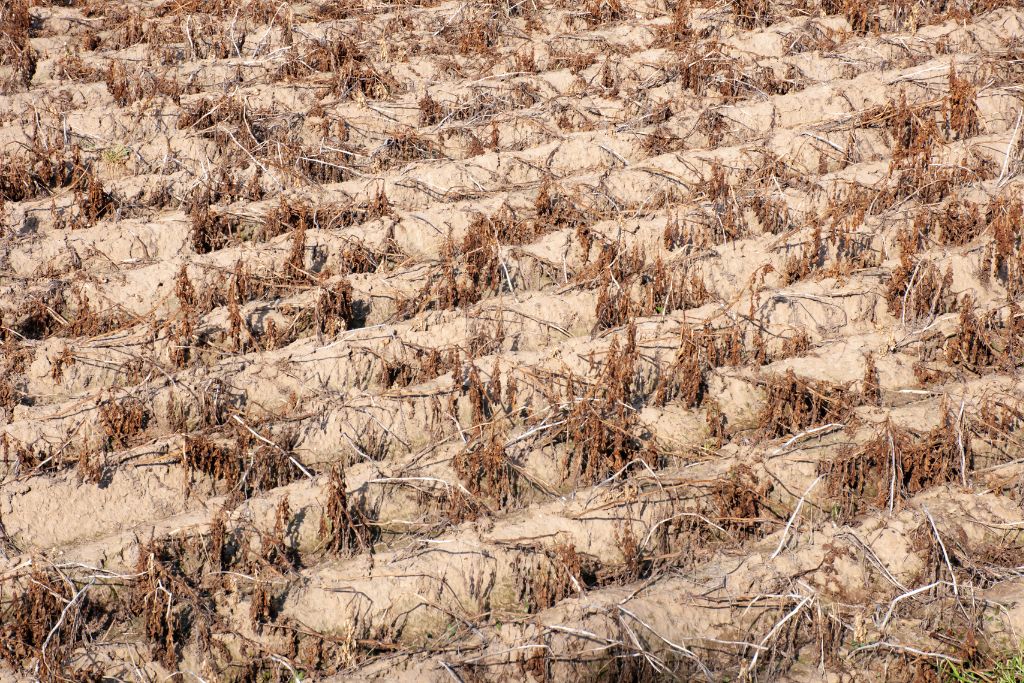
While the immediate loss of property and lives is devastating, the economic implications of bushfires ripple outward, affecting industries and livelihoods. The agricultural sector, a cornerstone of Australia’s economy, is profoundly impacted. Farms can become scorched earth, leading to losses in crops and livestock, which in turn jeopardizes food security. Consequently, the economic viability of entire communities and regions is jeopardized, leading to a cycle of poverty that can last for years.
Tourism, another critical pillar of economic stability in Australia, suffers greatly in the wake of destructive bushfires. The picturesque landscapes that attract millions of visitors become marred by charred remnants, dissuading travelers and inflicting financial anguish on local businesses. The holistic impact can be staggering, as recovery needs extend beyond physical restoration, requiring substantial investments in mental health services, infrastructure rebuilding, and ecological rehabilitation.
A Call to Action: Preventative Measures and Resilience Building
In the face of such profound challenges, the need for an agile response becomes imperative. While bushfires may seem like an insurmountable force, proactive measures can mitigate their devastating effects. Investment in controlled burns, reforestation projects, and conservation initiatives can reverse some of the damage. Furthermore, building community resilience—through education, infrastructure development, and mental health support—is paramount.
The pathway forward demands a concerted effort from all sectors of society. Governments, communities, and individuals must collaborate in crafting sustainable strategies to not only combat the immediate impact of bushfires but to create a future where Australia can flourish in harmony with its environment. Only through collective engagement, informed action, and environmental stewardship can the land—and its people—begin to heal. Building resilience to climate change and its consequent bushfire risks transcends individual responsibility; it marks a fundamental evolution in our relationship with the natural world.
As we reflect on the harrowing legacy of bushfires in Australia, it is a poignant reminder of our interconnectivity with nature. The devastation serves as a clarion call, urging society to reconsider its practices and priorities. With determination and a steadfast commitment to environmental and social justice, a brighter, more resilient future can emerge from the ashes.


Leave a Comment