
The realm of wind energy engineering is akin to navigating a vast ocean, where the currents are invisible yet powerful, and the sails are crafted from the most advanced technologies. Just as mariners rely on their knowledge and tools to harness the wind’s might, engineers and enthusiasts alike turn to literature for guidance and inspiration. This landscape of wind energy is rich with resources, capturing the imagination and intellect of those who dare to dream of a sustainable future. Herein lies an exploration of the finest tomes that illuminate the path toward harnessing this ethereal force.
First among these literary treasures is “Wind Energy Engineering” by a cadre of esteemed authors. This tome serves as the foundational keystone for aspiring engineers. Like an intricate map for sailors, it delineates the fundamental principles of wind energy. The readers are guided through the arcane mechanics of aerodynamics, structural design, and electrical conversion. This comprehensive guide unfolds in a logical manner, echoing the fluttering of wind over blades, imparting knowledge in each sweeping chapter. The interrelationship between mechanical components and energy production is laid bare, allowing readers to appreciate how each engaged fragment plays a role in the symphony of energy transformation.
Yet, not merely a technical manual, “Wind Energy Engineering” inspires a transformative understanding of how wind energy can be artfully interwoven into our modern landscape. Each chapter reflects a harmonious blend of theory and practice, much like a masterful composition where instruments complement one another, resulting in a melodic outcome. By the close of its pages, the reader emerges as not only an engineer but a custodian of innovation in the pursuit of sustainability.
Another pivotal volume, “Wind Power: Renewables for a Sustainable Future,” by a pioneer in the field, ventures into the philosophical realms of energy consumption and environmental stewardship. In this book, wind power is portrayed not just as a technological revolution, but as a clarion call to humanity. Analogous to the whispers of a wise elder, this work compels readers to reflect on their relationship with nature. It weaves a narrative that connects the engineering processes with their broader implications on society and ecosystems.
This book challenges the reader to ponder: What responsibility do we bear in our quest for progress? It underscores the importance of integrating ecological considerations into the design and implementation of wind energy systems. The implicit message resonates deeply with environmentalists and engineers alike—advocating for a symbiotic relationship between technology and nature, urging that every gust of wind can propel us toward a greener future.
In juxtaposition, “Wind Energy: The Facts” presents an array of empirical analyses useful for debunking myths surrounding wind energy. This volume engages the reader with facts and statistics, equipping them with critical understanding much as a navigator gathers navigational data for plotting a course. The authors take readers on an exploratory journey through the technological advancements and the economic implications of wind energy, revealing that beyond the blades lie myriad layers of consideration.
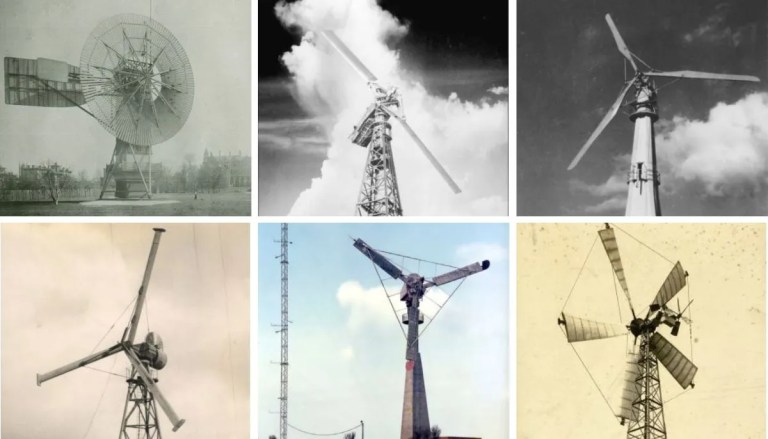
Each section unravels the evolution of wind technology—from rudimentary windmills to cutting-edge offshore turbines that stand like towering sentinels over the ocean waves. Like a seasoned mariner who has weathered countless storms, readers gain insights into the challenges that lie ahead. The discerning reader learns how to critically assess the feasibility of wind projects, thus becoming not just a consumer of knowledge but a proactive participant in the dialogue on sustainable energy.
Moreover, “The Wind Power Book” by the legendary author, offers a unique perspective as it melds practical guidance with a sense of adventure. This volume serves as a guide for those daring enough to embark on personal wind energy projects. Each chapter is an invitation, much like a beckoning call from a tranquil harbor, encouraging innovators to explore small-scale wind energy systems—ones that can power homes, farms, and communities. Practical tips and real-world case studies are presented, equipping the intrepid reader with a treasure trove of knowledge unknown to many.
As aspirants delve into the nuts and bolts of erecting their turbines and designing their systems, they are also immersed in the underlying philosophies of self-sufficiency and environmental mindfulness. The narrative unfolds like a quilt, stitched together with threads of ingenuity, illustrating how individual efforts can cumulatively contribute to a global impact.
Finally, “Offshore Wind Farms: Processes and Technologies” casts a wider net, looking beyond terrestrial projects to unveil the transformative potential of harnessing wind energy from the sea. This volume serves as a beacon for ambitious engineers, illuminating the unique considerations required for offshore developments. Readers are drawn into the complexities of marine engineering, legal frameworks, and environmental impacts associated with offshore installations.
As one navigates the intricate details of submerged foundations and energy distribution systems, a clear vision emerges—the prospect of a new era of renewable energy. By decoding the complexities of offshore wind energy, engineers and policymakers can work together to create a sustainable infrastructure that spans not just shores, but generations.
In conclusion, the best books on wind energy engineering do not merely fill the shelves; they breathe life into aspirations, educating and inspiring the next generation of innovators and stewards of our planet. Each volume contributes a distinctive piece to the larger mosaic of wind energy, offering both technical wisdom and philosophical reflection. Within these pages, the wind waits patiently, awaiting the next wave of engineers brave enough to harness its boundless potential and champion the cause of a sustainable future.






Leave a Comment