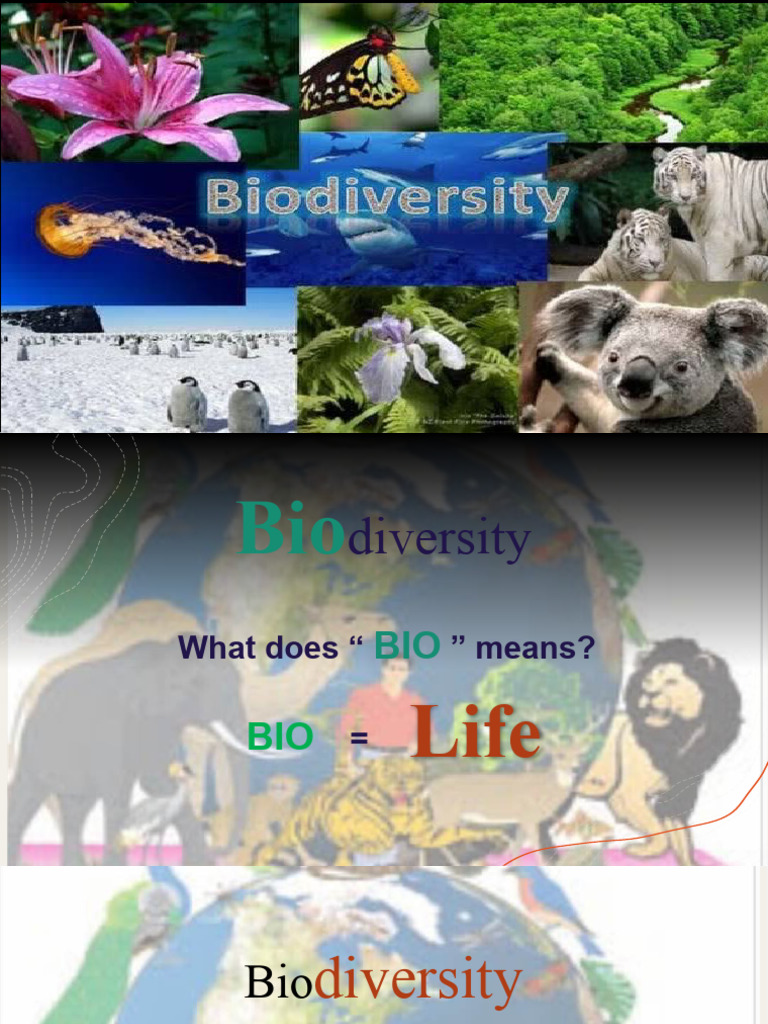
Biodiversity, the intricate tapestry of life on Earth, encompasses the vast variety of species, genetic variations, and ecosystems that populate our planet. As climate change and human activities pose unprecedented threats to our natural world, the significance of biodiversity emerges as an urgent priority not only for the health of ecosystems but also for the sustainability of humanity itself. This article delves into the manifold benefits of biodiversity, illuminating its role in bolstering ecosystem functionality, mitigating climate change, and supporting human well-being.
First and foremost, biodiversity enhances ecosystem resilience. Ecosystems with rich varieties of species can adapt more readily to environmental changes, including fluctuations in climate and the introduction of invasive species. For instance, a forest teeming with diverse plant life is more likely to withstand pests and diseases compared to a monoculture forest, where the lack of variety leaves it vulnerable to decimation. Such resilience ensures the stability of ecosystem services—natural processes that benefit humanity—ranging from pollination of crops to water purification.
Moreover, biodiversity is crucial in sustaining biological interactions that govern ecosystem dynamics. The interdependence of species, such as predators, prey, and decomposers, fosters a balance that maintains the harmony of nature. A healthy coral reef, for example, thrives on complex relationships among various marine organisms, where each species contributes to the overall health of the ecosystem. Disrupting any single component can have cascading effects, thereby underscoring the critical role biodiversity plays in maintaining the intricate web of life.
In addition to bolstering resilience and stability, biodiversity offers a bounty of resources that directly benefit humanity. The myriad of plant and animal species serves as a repository for genetic material, which can be harnessed for agriculture, medicine, and biotechnology. The development of high-yield or disease-resistant crop varieties, for instance, hinges on genetic diversity. Similarly, many pharmaceuticals are derived from natural compounds found in diverse flora and fauna. The more biodiversity we preserve, the greater the potential for new discoveries that can enhance human health and address food security challenges.
Furthermore, the ecological services provided by diverse ecosystems have significant implications for climate regulation. Forests, wetlands, and oceans play a pivotal role in sequestering carbon dioxide, thus helping to mitigate climate change effects. Tropical forests, often referred to as the “lungs of the Earth,” absorb vast amounts of carbon, making their conservation essential in the global fight against climate change. The loss of biodiversity diminishes the capacity of these ecosystems to mitigate greenhouse gas emissions, exacerbating climate-related challenges that humanity faces.
In tandem with climate mitigation, biodiversity contributes to climate adaptation strategies. Biodiverse ecosystems can better adapt to changing climatic conditions, providing vital refuge for species under threat. For example, wetlands, with their rich biodiversity, can absorb excess water during heavy rainfall events, reducing the risk of flooding. Similarly, diverse agricultural systems are more adept at accommodating shifts in climate, ensuring food security even in unstable weather patterns. Therefore, protecting biodiversity is not only advantageous but essential for fostering resilience against climate change impacts.
Furthermore, the aesthetic and recreational value provided by biodiversity cannot be underestimated. Natural environments rich in biodiversity enhance human experiences and promote mental well-being. Parks, forests, and marine reserves draw millions of visitors every year, providing opportunities for recreation, education, and spiritual enrichment. Ecotourism, which emphasizes sustainable interactions with natural resources, thrives on biodiversity. This not only generates income for local communities but also promotes the importance of preserving biodiversity for the future, aligning economic and environmental interests harmoniously.
Moreover, biodiversity plays an indispensable role in cultural identities and practices. Many indigenous communities tie their existence to the ecosystems in which they thrive, where culturally significant species and landscapes shape their traditions, arts, and languages. Loss of biodiversity equates to a loss of cultural heritage—one that cannot be recovered once diminished. Therefore, preserving biodiversity is also a matter of safeguarding human culture and history, ensuring that future generations retain the knowledge and traditions forged through their connections to the natural world.
As the interconnections between biodiversity, climate, and humanity reveal themselves, it becomes evident that calls for action must be amplified. Collective efforts to conserve and restore habitats, enforce environmental regulations, and promote sustainable practices are imperative. Everyone—from policymakers to individuals—has a role to play in embracing biodiversity. Sustainable practices in agriculture such as crop rotation and agroforestry, coupled with efforts to protect natural habitats, can help preserve the very fabric of life that sustains us.
In conclusion, the benefits of biodiversity for ecosystems, climate, and humanity are profound and far-reaching. By fostering resilience, enhancing ecosystem services, and contributing to human health and culture, biodiversity emerges as a linchpin in addressing some of the most pressing challenges of our time. Advocating for its preservation will not only ensure the survival of species but will also safeguard our own future on this planet. As stewards of the Earth, it is our responsibility to recognize and honor the invaluable benefits biodiversity offers, safeguarding it for generations to come.











Leave a Comment