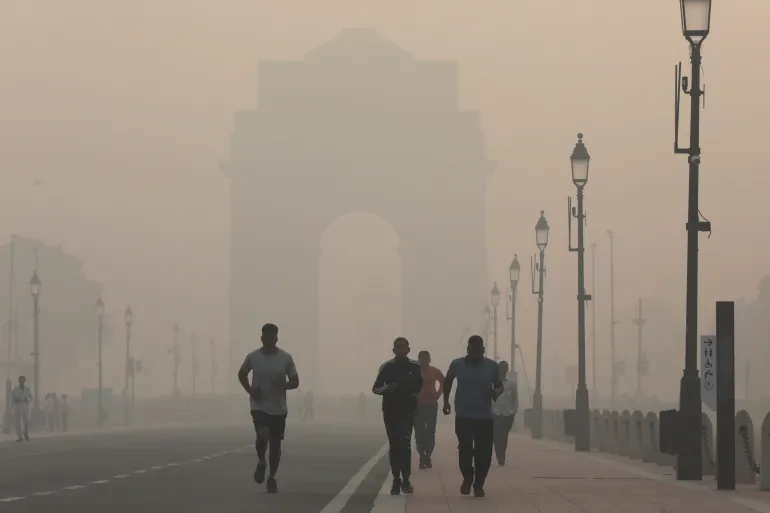
In recent years, air pollution has emerged as a silent, insidious threat to public health, particularly in South Asia. A recent report indicates that the pervasive and pernicious haze that blankets cities and rural areas alike is contributing to a staggering decrease in life expectancy—by as much as five years. Such an alarming statistic invites a deeper examination of the environmental, social, and economic ramifications of air quality in this densely populated region.
To understand the gravity of this situation, one must first consider the various pollutants that contribute to deteriorating air quality. Particulate matter (PM), nitrogen dioxide (NO2), sulfur dioxide (SO2), and volatile organic compounds (VOCs) are not merely an assortment of toxic substances; they are lethal agents that infiltrate the lungs and bloodstream, ushering in a range of health complications. Long-term exposure to these pollutants has been linked to chronic respiratory diseases, cardiovascular complications, and even cancers. The specter of these ailments looms over the populace, particularly affecting vulnerable groups such as children, the elderly, and those with pre-existing health conditions.
Yet, air pollution does not exist in a vacuum. Its prevalence in South Asia can be traced back to a confluence of factors, many of which are deeply entrenched in the socio-economic fabric of the region. Urbanization plays a pivotal role; as cities expand at an unprecedented rate, the demand for energy, transportation, and industrial output skyrockets. Millions have migrated to urban centers in search of better opportunities, contributing to congestion and exacerbating air quality issues. The irony lies in the fact that the pursuit of economic advancement inadvertently engenders a public health crisis that undermines the very progress sought by these communities.
Furthermore, the reliance on fossil fuels has yet to wane. Coal-fired power plants, a common source of electricity, emit a plethora of harmful pollutants. Meanwhile, vehicles—often outdated and poorly maintained—spew noxious fumes into the atmosphere. A transition to cleaner energy sources remains a tantalizing prospect but has yet to materialize on a meaningful scale. The challenges are compounded by regulatory frameworks that are frequently inadequate or poorly enforced, creating an environment where non-compliance becomes the norm rather than the exception.
The plight of air pollution in South Asia elicits public disquiet. People are increasingly aware of the health risks associated with pollution, yet there is a palpable sense of helplessness. Grassroots movements are emerging, driven by individuals who recognize the existential threat that air quality poses. Citizens advocate for stringent regulations, clean energy solutions, and public awareness campaigns. However, these efforts often clash with authoritative bodies that prioritize economic growth over environmental stewardship, thereby creating a complex web of conflict between development and health.
The psychological toll of living in a polluted environment cannot be understated. Residents of heavily polluted urban areas frequently experience anxiety, and depression, and a diminished quality of life. As the air thickens with toxic particulates, the simple act of breathing becomes a source of concern and distress. This chronic stress can exacerbate existing health conditions, creating a vicious cycle that traps communities in a spiral of despair. With air quality declining, so too does a sense of agency among the populace, leaving many feeling powerless in the face of such an overwhelming adversary.
Education plays an instrumental role in combating the air pollution crisis. Raising awareness about its causes and consequences is paramount. Schools and communities must foster a culture of environmental consciousness that transcends mere awareness and ignites action. Educational initiatives can empower individuals to advocate for policy changes and adopt sustainable practices. Simple measures, such as reducing vehicle usage, endorsing public transportation, and supporting clean energy initiatives, can collectively mitigate the pernicious effects of pollution.
While regional solutions are essential, international cooperation is equally vital. Air pollution does not respect borders; the impact of one nation’s emissions can reverberate throughout the region. Collaborative efforts, such as shared technology, financing for clean energy, and transnational regulatory frameworks, can amplify the fight against pollution. Global forums must prioritize this issue, offering platforms for countries to exchange strategies and successes in addressing air quality challenges.
The path forward is fraught with obstacles, yet it is not insurmountable. With collective will and sustained effort, air quality can improve, and life expectancy can be safeguarded. The narrative surrounding air pollution must shift from one of despair to one of hope and action. A holistic approach, incorporating policy change, community engagement, and international cooperation, is paramount to turning the tide on this public health crisis.
In conclusion, South Asia’s air pollution crisis is a multifaceted dilemma that demands urgent attention. The alarming reduction in life expectancy serves as a clarion call for immediate action. The consequences of inaction extend far beyond individual health, affecting socioeconomic stability and exacerbating inequalities within society. By understanding the intricate interplay of factors contributing to air pollution, engaging in meaningful dialogue, and fostering collective responsibility, we can illuminate a path towards cleaner air and, ultimately, a healthier populace.










Leave a Comment