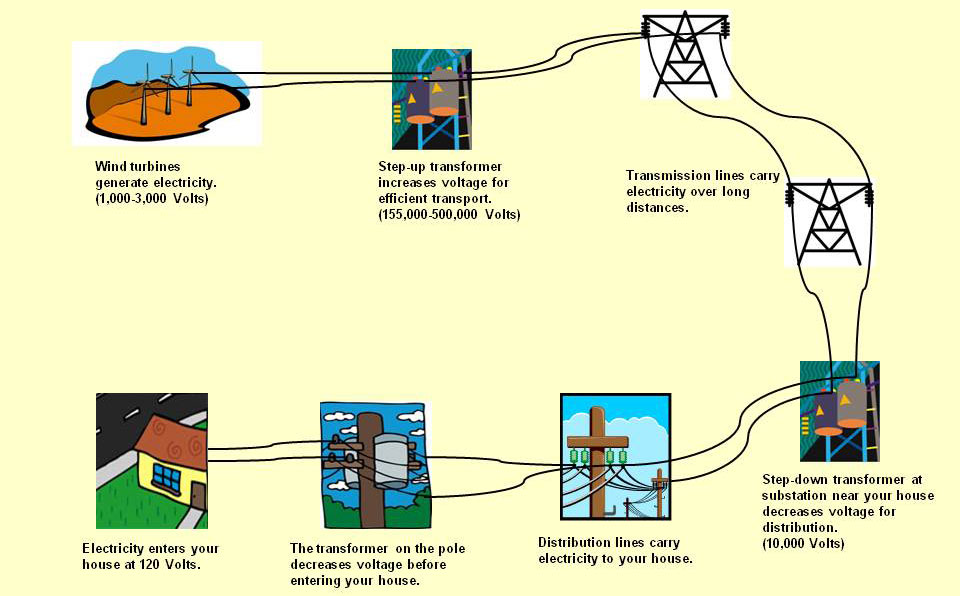
Wind farms are often likened to sprawling fields of modern-day windmills, each tall and proud, transmuting the zephyrs of nature into tangible energy. This transformation is not merely a whimsical dance with the elements; it forms an intricate partnership with the power grid—an invisible web that delivers electricity to homes, industries, and cities. To understand how wind farms incorporate and interact with the power grid, we must delve into the nuances of both the natural environment and the technological constructs that house it.
At the heart of this relationship lies the concept of synergy. Wind energy is harnessed through colossal turbines equipped with blades that capture the wind’s kinetic energy. As the blades rotate, they drive a generator, converting mechanical energy into electrical energy. This energy must then be shepherded onto the power grid—a complex infrastructure that behaves like the circulatory system of our electrical networks. Weaving through landscapes, the grid connects power stations, substations, and end-users, creating an extensive tapestry of energy distribution.
The integration of wind farms into this grid is not without challenges. Wind energy is inherently variable; it ebbs and flows like the tides, dependent upon weather conditions and time of day. Such unpredictability necessitates advanced forecasting methods and grid management strategies to ensure a consistent power supply. Herein lies the art of balancing: grid operators must predict the wind’s whims and adjust output accordingly, ensuring that supply meets demand without daunting shortages or waste.
To stabilize this integration, sophisticated technologies are deployed, including energy storage systems and demand response strategies. Energy storage acts as a reservoir, capturing excess energy produced during windy conditions and releasing it during lulls. This not only helps to smooth out fluctuations but also enhances the grid’s resiliency. In tandem, demand response strategies incentivize consumers to alter their energy consumption patterns, aligning usage with when energy is abundant and consequently, less expensive.
Moreover, as wind farms proliferate across the globe, they serve to diversify the energy mix, heightening national energy security and diminishing dependency on fossil fuels. This diversification is akin to a colorful palette from which we paint a more sustainable future. When the wind whips through turbines, it diminishes the role of conventional power plants, which often burn coal or natural gas to generate electricity. By doing so, wind energy aids in decarbonizing the power sector, an essential step in combating climate change.
The interaction between wind farms and the grid also brings to light the concept of scalability. Wind energy can be deployed in various scales—from small community wind projects to immense offshore farms. This scalability allows for flexibility in how we would like to configure our energy portfolio. Small-scale projects can feed power directly into local grids, empowering communities to harness their natural resources, while large offshore wind farms can deliver robust amounts of energy to metropolitan regions, redefining how urban centers consume electricity.
However, the effective incorporation of wind farms into existing power grids requires substantial infrastructural enhancements. Traditional grids were not designed with renewable energy in mind; thus, integrating this new paradigm often necessitates retrofitting and modernization. The convergence of decentralized energy generation with central systems requires innovative engineering solutions, one that seeks to fortify the grid against the vagaries of wind, storms, and changing energy demands.
As we venture deeper into the 21st century, digitalization plays a pivotal role in this nexus of renewable energy and grid management. Smart grid technology leverages data analytics and real-time monitoring to optimize energy distribution. Sensors and advanced software applications allow grid operators to visualize energy flows and respond promptly to disruptions. This “nervous system” of the power grid strives for agility, adapting to the incessant changes that come with integrating variable renewable sources. It’s akin to a conductor leading an orchestra, ensuring that every instrument plays in harmony, despite their inherent differences.
Additionally, the significance of collaborations across all sectors cannot be understated. Policy-makers, energy companies, and local communities must all come together in solidarity, recognizing that the transition toward renewable energy is not solely a technological challenge but a socio-political imperative. Establishing favorable policies and incentives can facilitate investment in wind energy projects, thereby incentivizing clean generation and smoothing the interactions among our energy systems.
As the world grapples with mounting concerns over climate change, the role of wind farms in shaping our energy landscape becomes increasingly vital. The metaphorical wind, now a steadfast ally, propels us toward a sustainable future. The energy produced from wind farms not only nurtures our homes and industries but also fosters a sense of agency within communities. They symbolize resilience, innovation, and a progressive vision as they conquer ancient winds and convert them into drivers of economic growth and ecological stewardship.
Ultimately, the synergy between wind farms and power grids represents a transformative passage toward environmental cognizance. Together, they embody a clarion call for a sustainable energy paradigm, one where we harness the power of nature in a deliberate and mindful manner. As we stand at this crossroad, it’s imperative that we fumble not in our resolve but rather glide steadfastly into an era where wind farms and the power grid harmonize seamlessly, illuminating the path for generations to come.






Leave a Comment