Wind energy has emerged as one of the most viable renewable energy sources in recent decades, playing a crucial role in the global transition toward sustainability. With looming climate challenges, the question remains: how much power can a single wind turbine actually generate in a year? This inquiry opens up a world of exploration about wind turbine technology, efficiency, and the broader implications of harnessing wind as a source of energy.
Before delving into figures and calculations, consider this: if you could harness the elemental force of wind with just one turbine, how would that reshape your understanding of energy production? That is a thought-provoking proposition, and it leads us to a more intricate look at the mechanics of wind turbines. To grasp their annual power output potential, we must first understand how these structures operate.
Wind turbines are marvels of engineering designed to convert kinetic energy from the wind into mechanical energy, which is subsequently transformed into electrical energy. The fundamental concept lies in the wind’s ability to turn the blades of a turbine, which are connected to a gearbox and generator. This transformation occurs only when certain conditions are met—specifically, wind speed and turbine specifications.
But what factors influence the annual power output of a single turbine? This brings us to the first critical aspect: the rated capacity of a wind turbine, typically measured in megawatts (MW). Modern turbines can range from 1.5 MW to over 10 MW. Larger turbines generate more electricity, particularly in ideal wind conditions. However, rated capacity alone does not provide a complete picture.
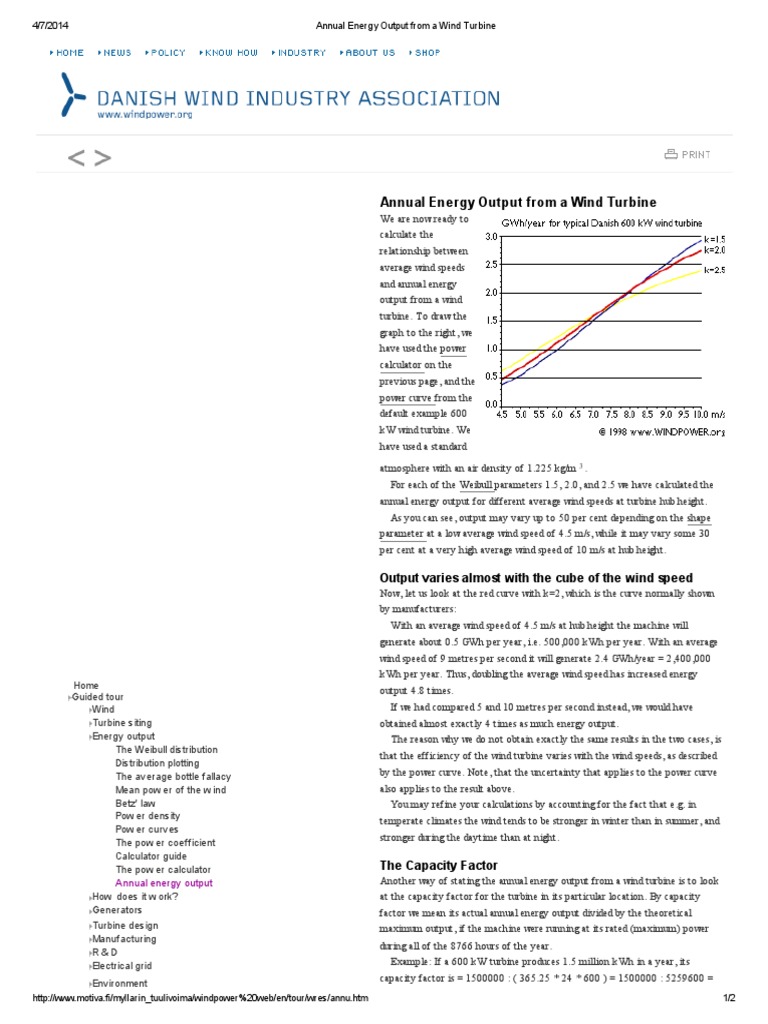
Another key consideration is the wind turbine’s capacity factor, defined as the ratio of actual energy produced over a specified time to the potential maximum output if the turbine operated at full capacity all the time. The capacity factor varies based on location, technology, and local wind conditions. In many instances, capacity factors can soar above 40% in prime locations, yet could plummet to below 20% in less favorable environments.
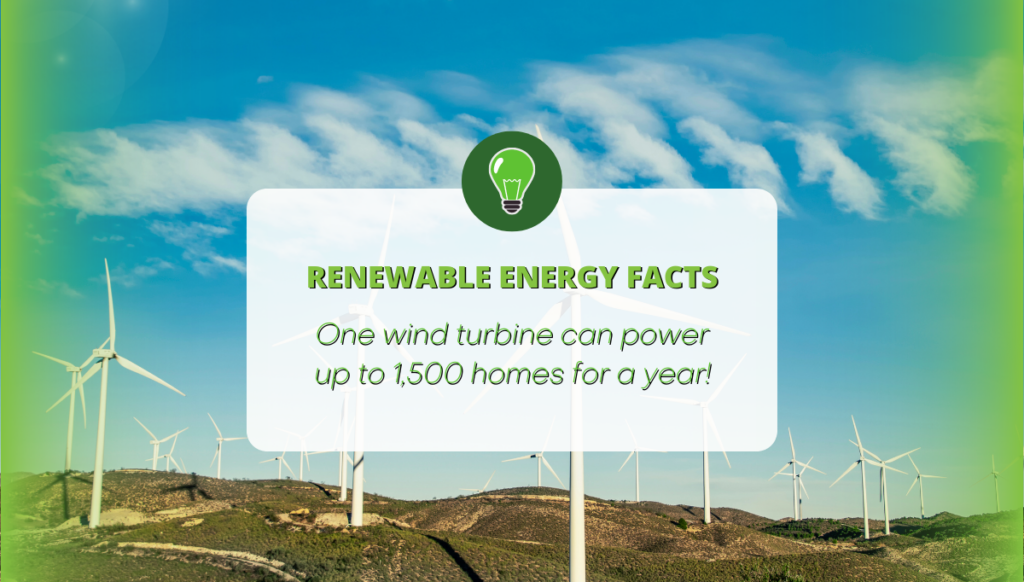
Let’s calculate how this translates into annual energy production. A 2 MW wind turbine operating at a capacity factor of 35% generates about 6.1 million kilowatt-hours (kWh) annually. To illustrate, if a single turbine spins away with the aforementioned specs, you can intuitively marvel at how it can power around 600 homes per year, assuming each home consumes roughly 10,000 kWh annually. This whimsical image prompts us to reconsider our reliance on traditional fossil fuels and showcases the potential of even one wind turbine.
Location is paramount when answering the initial inquiry regarding annual energy output. Coastal areas and open plains often have the most consistent wind flow, leading to optimal productivity. The placement of turbines in these zones can significantly enhance their efficiency. Conversely, building a wind farm in an area with turbulent or inadequately swift winds can yield disappointing results. Thus, in the grand narrative of energy production, geography plays a protagonist’s role.
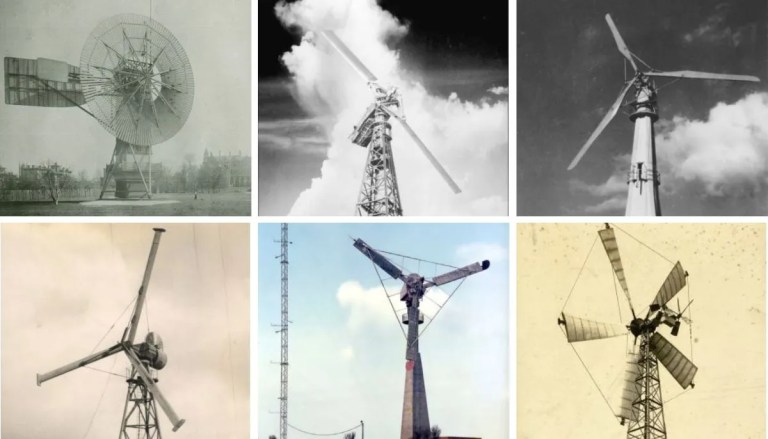
Moreover, innovation in turbine design is making this renewable energy source even more potent. Horizontal-axis wind turbines (HAWTs), the most common kind, are now complemented by vertical-axis counterparts (VAWTs). These revolutionary designs open possibilities for deployment in urban settings, where high-rise buildings often obstruct wind flow. Combining these varying technologies can address unique geographic challenges and amplify the potential power output of wind energy.
Additionally, ongoing advancements in energy storage technologies enhance the value proposition of wind turbines. The intermittent nature of wind presents challenges for reliability, yet developing efficient batteries and other storage systems allows for the accumulation and distribution of energy generated during peak wind periods. Imagine a world where energy from a single turbine doesn’t merely dissipate into the ether, but instead gets banked for use during calm, windless days. This transition is vital in mitigating the anxiety surrounding renewable energy’s unpredictability.
However, with these developments come challenges. The wind energy sector faces hurdles, such as regulatory structures, community acceptance, and environmental considerations. Environmental activists advocate for balancing ecological integrity with the urgent need for renewable resources. Expanding wind energy capacity necessitates careful planning to avoid impacting wildlife and local ecosystems adversely. The dialogue surrounding land use, habitat protection, and community concerns remains paramount as we press forward into the future of energy.
As we reflect upon the power output of single wind turbines, we unearth a tapestry woven from technical prowess, environmental stewardship, and social engagement. The annual energy production of one solitary turbine encapsulates the broader narrative of how individual actions—decisions to establish wind farms, invest in greener technologies, or even support local initiatives—can collectively foster a more sustainable future.
In summary, how much power does a single wind turbine generate each year? The answer is a multifaceted one, shaped by turbine design, location, capacity factor, and storage solutions. Not only does it highlight the potential of wind energy in our quest for sustainability, but it also beckons us to imagine what changes could ripple through society if we embrace these renewable sources with enthusiasm. Indeed, every wind-powered revolution begins with a single turbine—what wonders could await if we commit to harnessing that potential fully?






Leave a Comment