
As civilization advances, the quest for sustainable energy alternatives becomes more urgent. Wind, a force as ancient as time itself, beckons like a siren on the shores of modernity, tempting us with promises of clean power as we seek to replace the goliaths of fossil fuels. Amongst these looming titans, coal plants have long reigned supreme, generating a significant portion of the world’s electricity. Yet, as we unfurl the sails of renewable energy, we must ask: How many wind turbines are truly necessary to supplant the old coal giants?
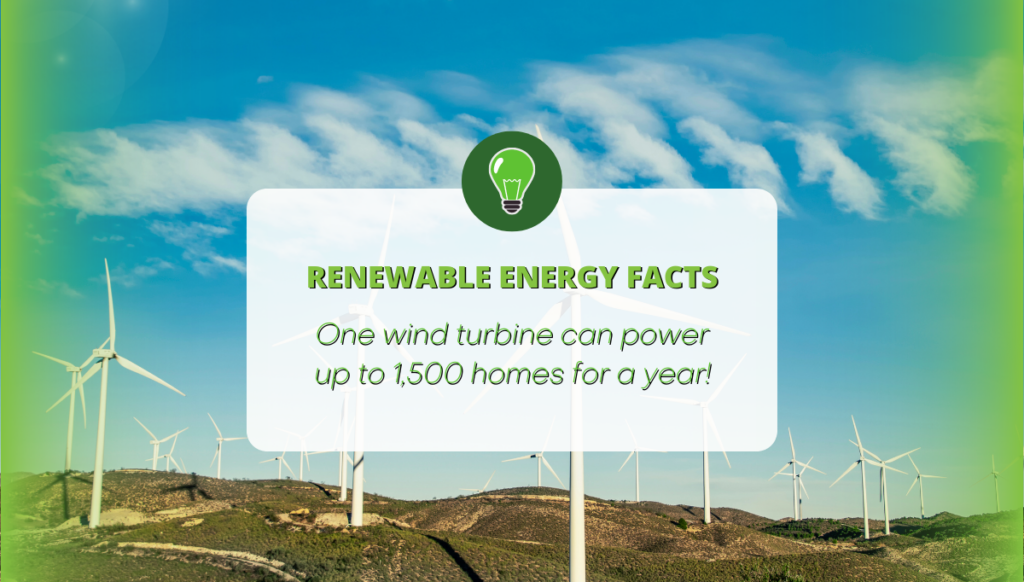
Understanding the scale of energy requirements is akin to comprehending the vastness of a great ocean. Coal plants are behemoths in their energy output, often generating upwards of 500 megawatts of electricity. The weight of this number reverberates—as if we were to quantify the collective labor of myriad feet tirelessly trudging forward to meet the insatiable demand for power. In stark contrast, a single wind turbine, with its majestic blades that slice through the air, typically produces between 1.5 to 3 megawatts under optimal conditions.
To draw an analogy, if one considers a coal plant as a sprawling city emitting smoke and exhaust, then the wind turbine is a solitary lighthouse, standing firm along the coast, guiding us toward untainted shores. Yet, how many lighthouses do we need to replace an entire city?
The mathematics behind this transition is more complex than simple arithmetic. To identify the number of turbines needed, we must first assess our energy consumption patterns. The average coal plant, generating 500 megawatts annually, ultimately translates to an astronomical amount of kilowatt-hours produced. This can be illustrated further: if we estimate that a single wind turbine produces 2 megawatts on average, the coal plant would require approximately 250 turbines functioning consistently and harnessing the wind’s power.
However, this analysis is merely the tip of the iceberg. Wind energy, dependent on meteorological whims, is undoubtedly intermittent, unlike the relentless production from a coal plant. This variability introduces a layer of complexity akin to navigating through treacherous waters, where calm seas one moment may give way to turbulent storms the next. Wind turbines do not generate energy around the clock; they thrive under ideal conditions, and as such, the actual number required may need to swell considerably in the face of this capricious nature.
Furthermore, geographical location plays a pivotal role. The effectiveness of wind is not universal; certain locations are endowed with stronger and more consistent winds, akin to fertile plains ideal for agricultural prosperity. A wind farm nestled in the heart of a breezy locale can expect higher energy yields, potentially reducing the number of turbines necessary. Conversely, a site plagued by stillness or lacking consistent air movement would necessitate a larger array of turbines to meet the same energy requirements.
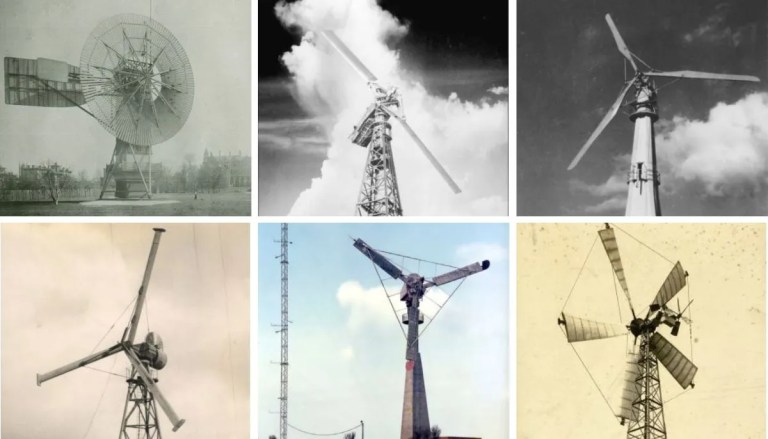
Engineering advancements have also ushered us into an era of innovation. Modern turbines are not the gentle giants of yesteryear, but rather intricate designs that blend efficiency with elegance. Larger rotor diameters and advanced materials have significantly increased their output capabilities. Consequently, it’s feasible that the number of turbines needed to replace a coal plant could gradually decrease as technology continues to evolve.
Moreover, integrating energy storage systems, such as batteries, can act as a buffer against the unpredictable nature of wind. It’s similar to a dam, holding back excess water during a deluge, only to release it during dryness. By harnessing energy during peak production and distributing it during lulls, we bolster our resilience, allowing us to narrow the gap between the steadfast nature of coal and the vivacious dance of wind.
It is vital to chisel away at preconceived notions regarding the transition from coal to wind power. This initiative is not solely about mere numbers but rather envisions a tapestry of sustainability. Picture a vibrant landscape dotted with turbines: a continuous movement signaling hope, a whirring whisper of progress, offering a counter-narrative to the heavy black clouds of coal that have dominated the horizon. Each turbine stands not just as a unit of energy production but as a sentinel of change, heralding a future unchained from the clutches of carbon emissions.
As communities around the globe contemplate this transformation, it also invites a dialogue about local impact. Wind turbines can serve as conduits for economic renewal. They bring with them the promise of jobs—local installations, maintenance, and operations, all interwoven into the fabric of community life. This burgeoning sector not only displaces reliance on coal but infuses new life into the very towns that had languished under the oppressive blanket of coal pollution.
In conclusion, the equation of replacing coal with wind is open-ended, woven with variables that encompass technology, geography, and societal will. The journey is complex, yet strikingly beautiful—as we dismantle the towering edifices of coal and plant our turbines in their stead. The number of wind turbines needed to replace a coal plant is not merely a calculation; it encapsulates an evolution—a metamorphosis where the winds of change chase away the shadows of the past, leaving a legacy of sustainability for generations to embrace.






Leave a Comment