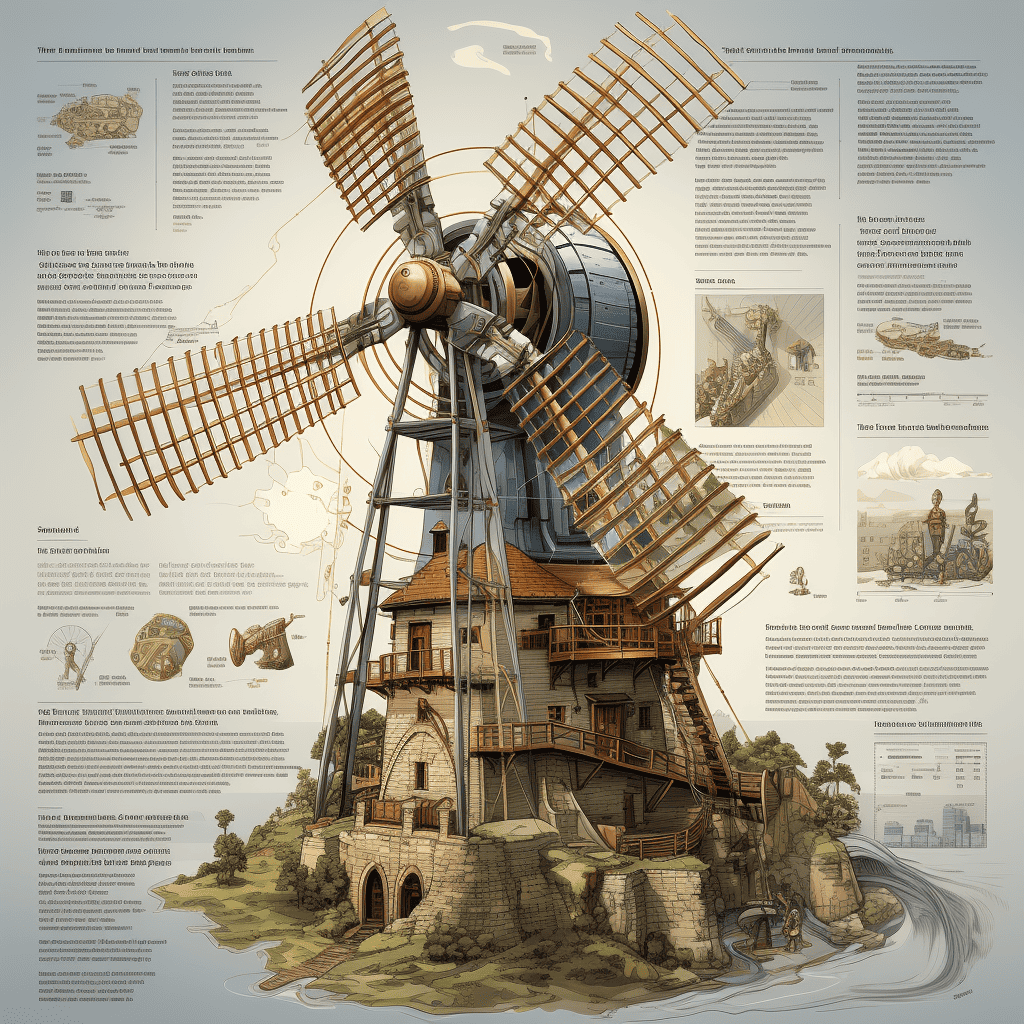
In the twenty-first century, as the globe grapples with the undeniable consequences of climate change, a newfound reverence for renewable energy sources emerges. Among these, wind energy stands out not merely as an alternative but as a formidable solution to the looming energy crisis. One may wonder, how much electricity can a windmill or, more appropriately termed, a wind turbine, generate? The answer is multifaceted, involving a blend of technology, environmental variables, and the size and efficiency of the turbine itself.
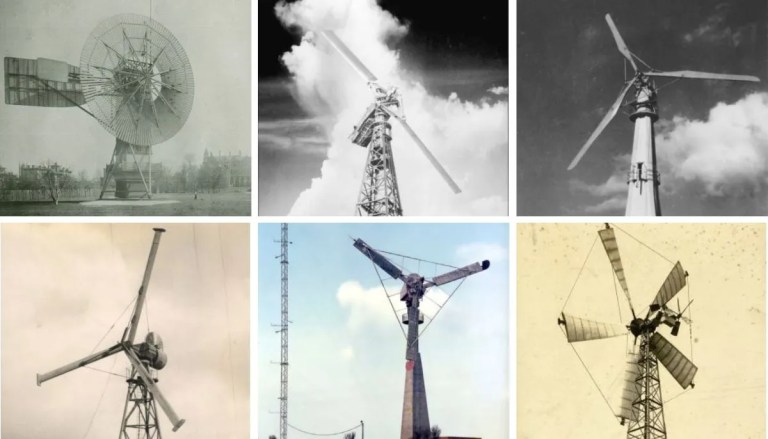
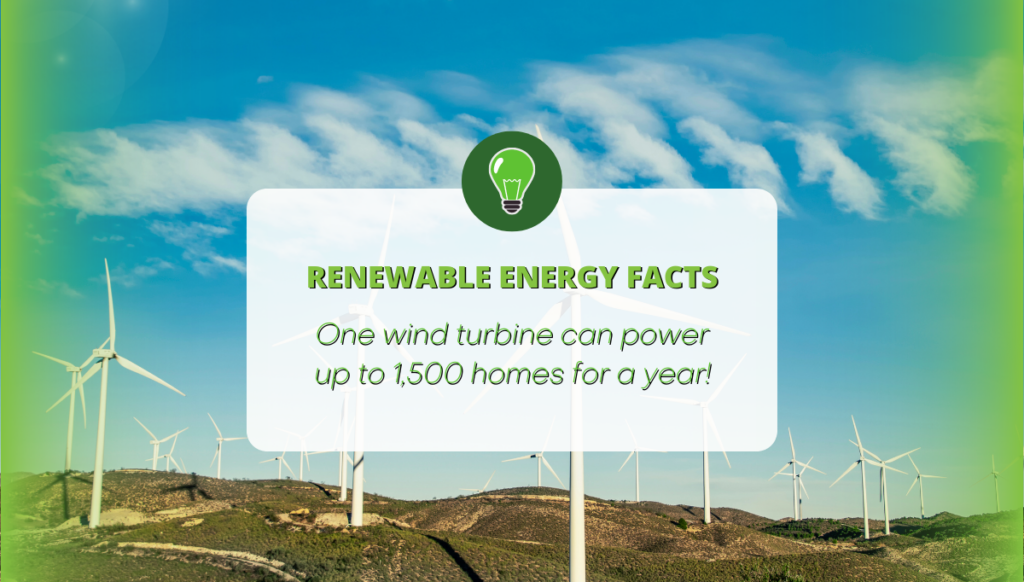
First and foremost, the generation capacity of a wind turbine hinges on its physical dimensions and design. Modern wind turbines come in various sizes, each tailored for specific applications. On the lower end, small turbines can generate as little as 400 watts, suitable for powering a home or small agricultural operation. In contrast, large utility-scale turbines can soar to levels of 3 to 5 megawatts (MW) or even higher, translating to a staggering ability to power thousands of homes in a single rotation.
The capacity of these remarkable structures isn’t merely a function of their size, but also their efficiency in harnessing kinetic energy from the wind. The power produced by a wind turbine is a function of the wind speed and rotor area, often described by the formula: P = 0.5 * ρ * A * v³. Here, “P” represents power, “ρ” is air density, “A” is the swept area of the rotor blades, and “v” is the wind speed. When winds are brisk, the energy harvested can dwindle or burgeon magnificently, thus creating variabilities in daily energy outputs.
Consider the average wind speed in regions designated for wind farms. Areas with consistent wind speeds of, say, 10 to 20 miles per hour can amplify a wind turbine’s productivity manifold. Under ideal conditions, a turbine rated for 2 MW can produce upwards of 6 million kilowatt-hours (kWh) annually. This is sufficient to energize around 600 average American homes, all devoid of reliance on fossil fuels. This not only cultivates a cleaner environment but also represents a significant shift towards energy independence.
Moreover, wind energy generation is ingrained with a remarkable predictability linked to meteorological patterns. Wind speed fluctuates, creating the necessity for energy storage solutions and a diverse energy portfolio. The intermittency of wind may lead to genuine concerns about reliability. However, advancements in energy storage technologies—including batteries, pumped hydro storage, and grid interconnections—permit wind energy to linger effectively in the energy mix, ensuring that when the wind’s ferocity is fleeting, power remains steadfast.
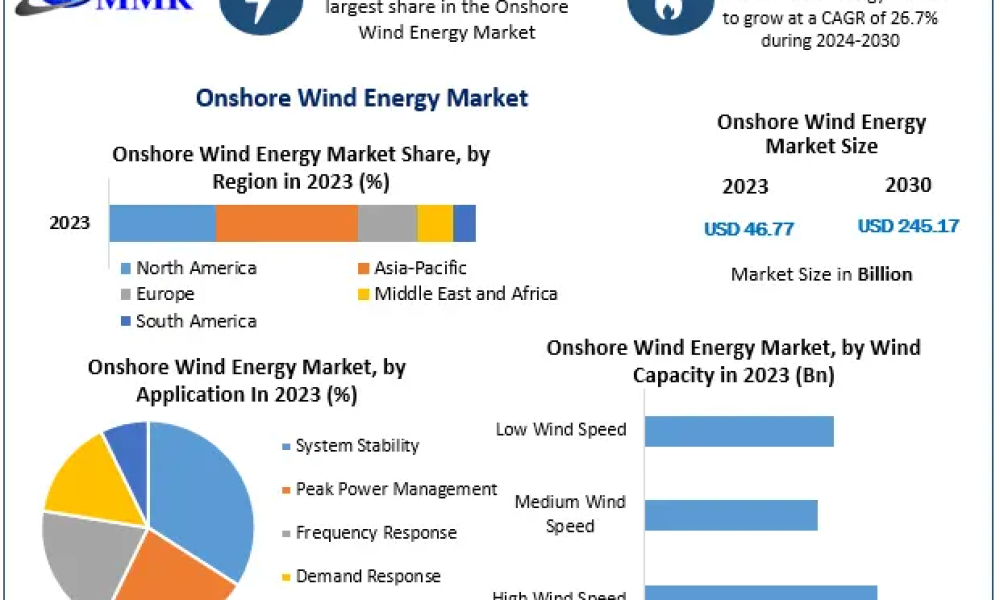
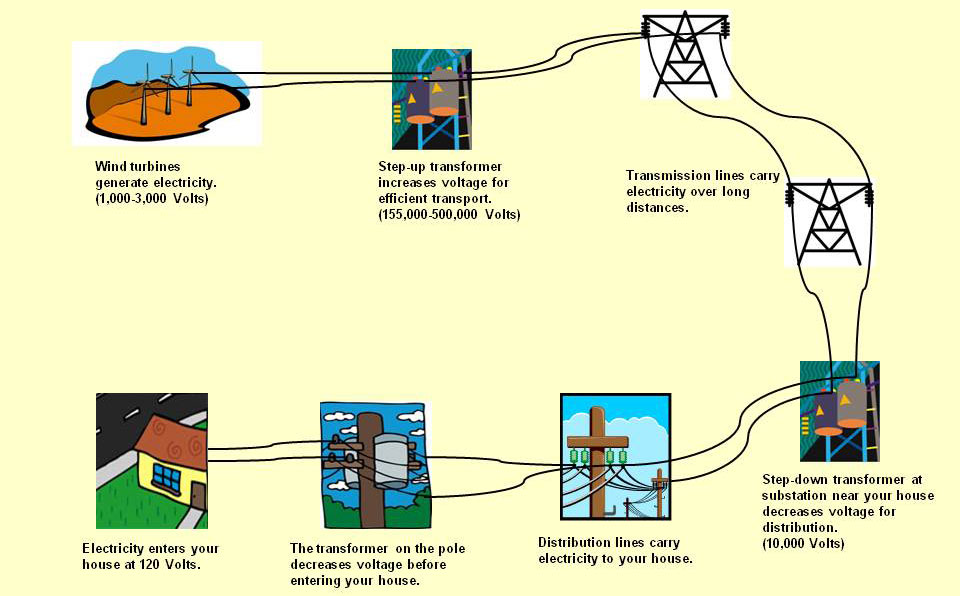
In the paradigmatic shift from fossil fuels to wind energy, we must also heed the broader ramifications of wind turbine efficiency. The implementation of smart grid technologies fosters a cohesive relationship between renewable energy sources. When integrated into the electric grid system harmoniously, surplus energy generated during peak wind times can be dispatched to meet demand spikes later, preserving the systematic balance crucial for energy sustainability.
Nevertheless, the ecological implications of wind turbines raise critical questions. Advocacy for wind energy is often accompanied by narratives surrounding avian impacts, aesthetic violations of landscapes, and the acoustic disturbances associated with their operation. While such concerns are valid, they pale in comparison to the extensive environmental degradation wrought by fossil fuels. Strategies are being developed to mitigate avian fatalities, including advanced turbine designs and careful site selection, emphasizing the importance of harmonizing our pursuit of sustainability without compromising biodiversity.
As we analyze the units of electricity generated by wind turbines, it is imperative to consider the broader implications within the context of national and global electricity demands. The United States, for instance, has seen exponential growth in wind energy, which has grown from a mere 2 percent of total electricity generation in 2000 to over 9 percent in 2022. This shift, though monumental, still signals the need for expansive growth—particularly in regions where renewable resources are abundant yet underutilized.
Looking towards the future, the potential for innovation in wind energy is limitless. Emerging technologies promise to enhance the efficiency of turbines, with vertical-axis designs and airborne wind energy systems entering the arena. These innovations will broaden the scope for harnessing wind in varied geographical landscapes, from coastal regions to urban environments.
As one seeks to quantify wind energy’s contribution to electricity generation, the evolving paradigm offers intriguing insights. A single wind turbine can embody not merely a unit of energy production but symbolize our collective journey towards sustainable ecological stewardship. Each kilowatt-hour generated constitutes a testament to transitioning towards an electrified world powered by natural forces rather than the remnants of a carbon-heavy past.
In conclusion, as we probe deeper into how much electricity a windmill generates, we unearth the intricacies of technology, geography, and innovation. The promise nestled within each turbine illustrates a broader commitment to renewable energy, igniting a shift in perspective from passive consumption to active engagement in seeking sustainable alternatives. For as long as the wind blows, there is hope, movement, and promises—a confluence of energy harnessed for a brighter, greener future. The very act of embracing wind energy compels society not only to reconsider its methods of generating power but also to reimagine its consumer relationship with the planet.






Leave a Comment