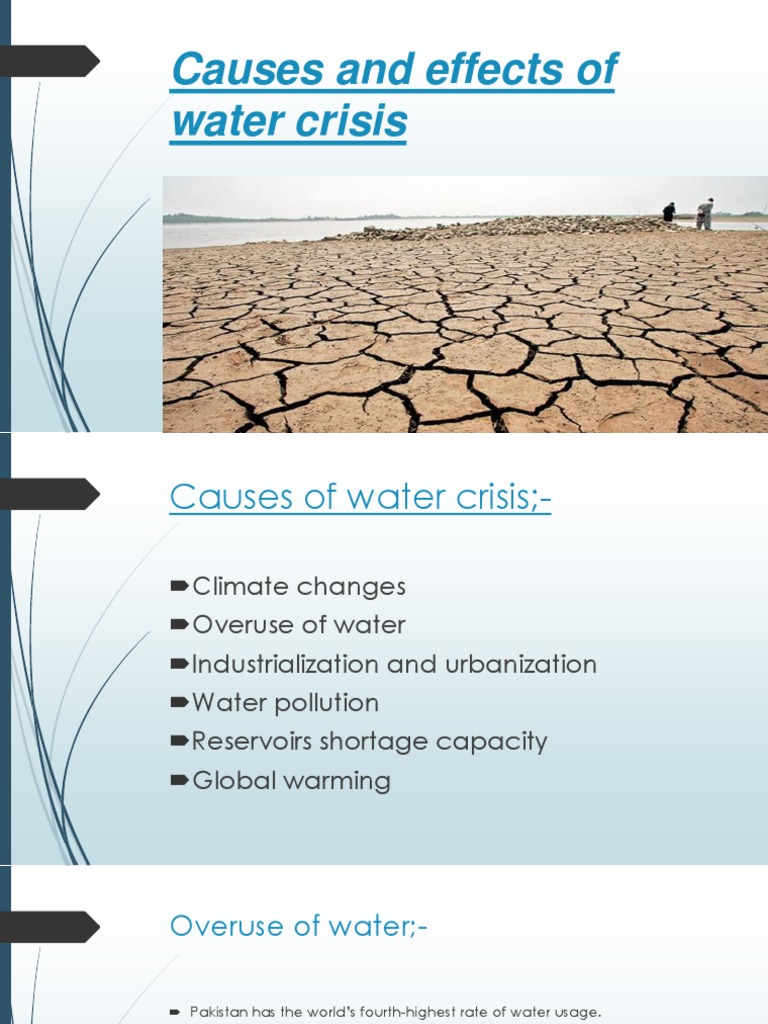
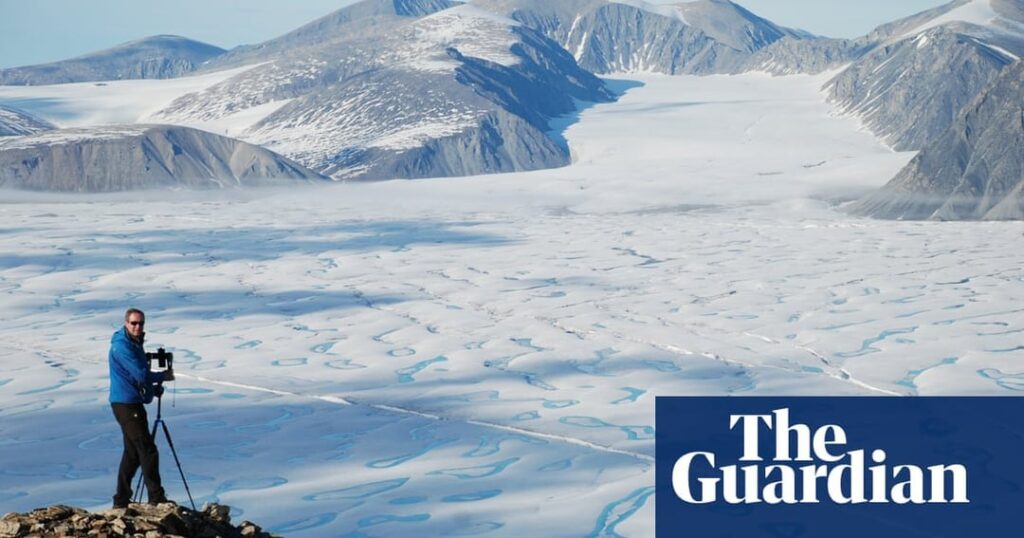
In our relentless pursuit of progress and development, have we paused to consider the fragility of the very resource that sustains us—water? As the climate warms, the repercussions ripple through ecosystems, economies, and human health. The specter of water shortages looms ever larger, elucidating the pressing need for collective action. This article explores the multifaceted causes and profound effects of water shortages in a warming world.
To fully grasp the gravity of water scarcity, it is imperative to appreciate its myriad causes. One of the foremost contributors to dwindling freshwater supplies is climate change, which results in extreme weather events, prolonged droughts, and erratic precipitation patterns. In some regions, what was once a steady stream may crystallize into a parched riverbed. The frequency of droughts compels communities to confront an unnerving reality: a growing population is living in an increasingly water-stressed environment.
Furthermore, urbanization compounds the issue. As cities burgeon, the demand for water skyrockets, often exceeding the supply. Urban planning in many areas tends to prioritize infrastructure over sustainable water management, leading to over-extraction of aquifers and the degradation of natural water bodies. With concrete landscapes replacing verdant fields, the natural recharge of aquifers diminishes, further worsening the strain on available resources.
A pertinent challenge stems from agricultural practices. Irrigated farming constitutes a significant portion of global water use. Traditional practices, reliant on flood irrigation, are often inefficient and wasteful, leading to tremendous water loss. This inefficiency is exacerbated by the changing climate, where crop yields fluctuate dramatically based on weather variations. As temperatures rise, the demand for water in agriculture intensifies, creating a pernicious cycle: insufficient water leads to poor crop yields, which in turn raises the demand for irrigation.
Moreover, the adverse effects of pollution cannot be understated. Contaminated water sources diminish the available supply and pose dire health risks to communities. Runoff from agricultural chemicals, industrial discharges, and untreated sewage infiltrates freshwater bodies, rendering them unfit for consumption and exacerbating the scarcity crisis. It becomes a convoluted irony: as populations increase and development accelerates, the quality of available water diminishes, necessitating more stringent purification efforts.
Compounding these challenges are sociopolitical factors. Inequitable distribution of water resources often stems from power imbalances and governance failures. Regions rich in water may see it siphoned away to serve industrial or agricultural needs, leaving indigenous populations and smallholder farmers parched. This discord can lead to social unrest and even conflict. As water becomes a contested resource, the tragic irony is that those most affected often bear the least responsibility for its depletion.
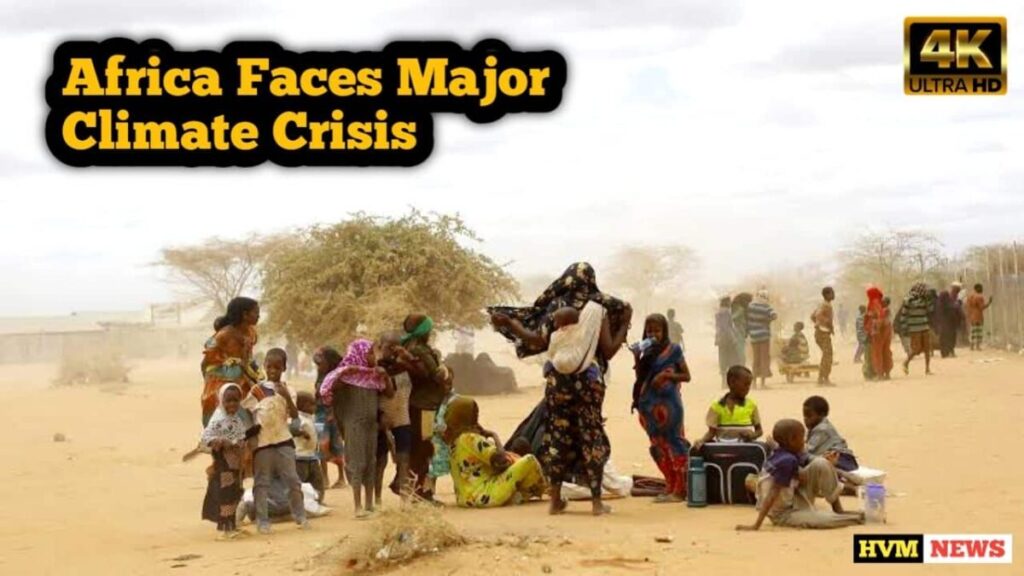
The consequences of water shortages are harrowing and far-reaching. Public health crises emerge when access to clean drinking water becomes a rarity. Waterborne diseases can proliferate, leading to illness and mortality, particularly among the most vulnerable populations: children and the elderly. The World Health Organization underscores that for every dollar invested in water and sanitation, there’s a return of fourfold in increased productivity and decreased health care costs. Thus, neglecting water accessibility not only jeopardizes health but also economic viability.
Denuded ecosystems also bear the brunt of water shortage repercussions. Wildlife reliant on freshwater habitats struggles to adapt, leading to plummeting biodiversity. As rivers shrink and wetlands dry up, entire ecosystems become destabilized. Species extinction rates accelerate, compounding the environmental crisis we grapple with today. Consequently, the ecological balance is disrupted, which in turn threatens the very foundations of our natural world and global food systems.
As we ponder these dire dilemmas, one cannot help but wonder: Are we prepared to face the multifaceted challenges posed by water scarcity? The urgency of the situation beckons for innovative solutions. Transitioning to sustainable agricultural practices is paramount; utilizing drip irrigation and other water-efficient technologies can mitigate waste. Additionally, rainwater harvesting and the recycling of wastewater present viable alternatives that can help alleviate the burden on freshwater resources.
On a broader scale, international cooperation must transcend borders. Global water governance frameworks can serve as blueprints for equitable management of transboundary water resources, ensuring sustainability amid competing demands. Harnessing technology for real-time data monitoring can enhance efficiency and bolster community resilience. By fostering a culture of conservation and respect for this precious resource, society can collaboratively address the impending water crisis.
Ultimately, the adherence to the adage “water is life” must serve as a clarion call to action. In a warming world, securing our water future necessitates a profound reevaluation of our societal values and practices. Are we willing to challenge the status quo and embrace sustainable solutions for water management? The moment to act is now, for in unity lies the promise of a sustainable future. Together, we can ensure the longevity of our most vital resource, preserving it for generations yet to come.









Leave a Comment