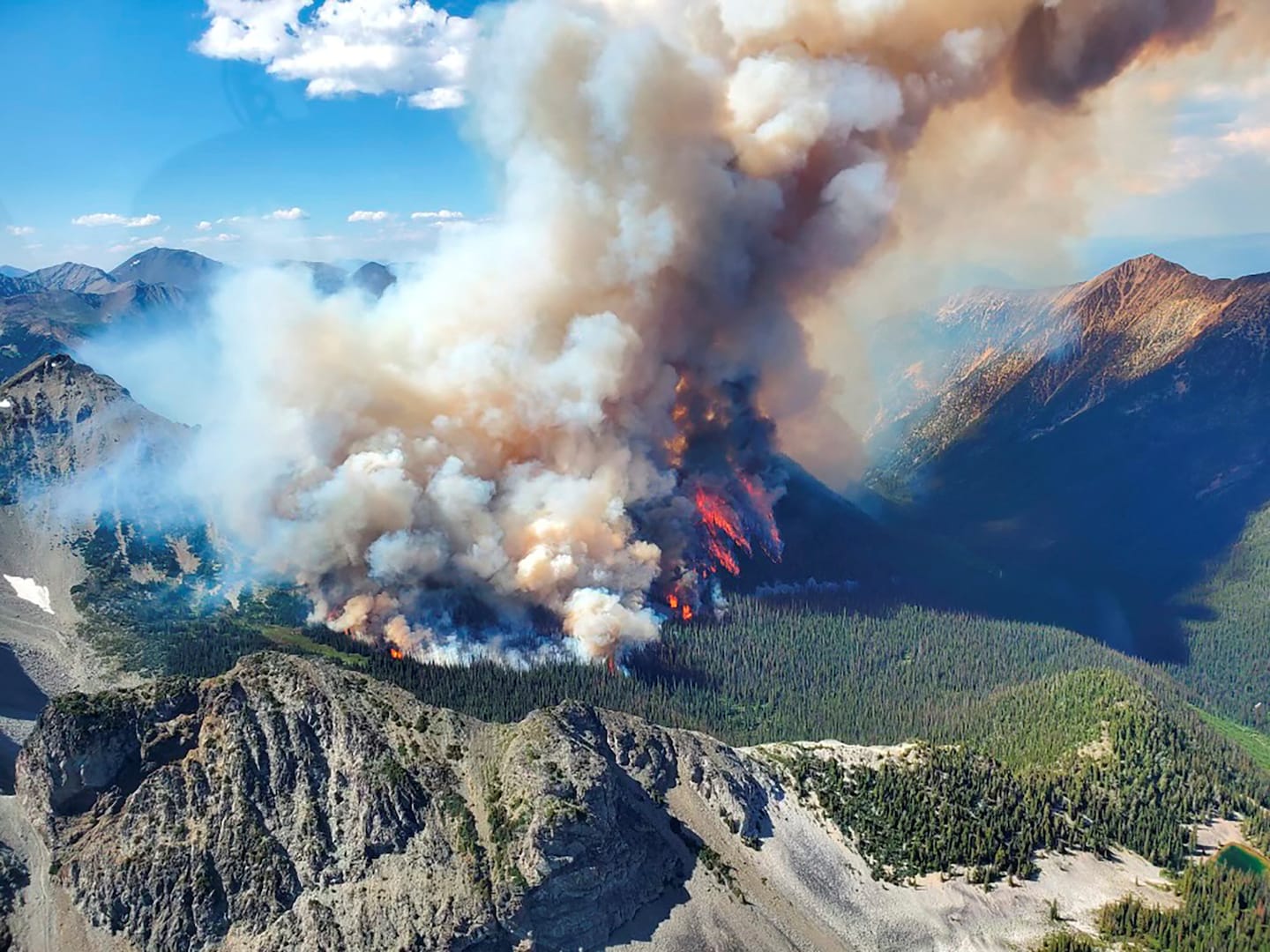
The wildfire season in Canada is no longer an autumnal transition; it has erupted into a fervent crescendo of flames and smoke, catalyzed by unprecedented heatwaves that have gripped the nation. This year, Canada has experienced a climate anomaly where record-breaking temperatures have not only scorched the land but have also sparked a series of wildfires that stretch across vast expanses of its wilderness. The phenomenon is more than just a meteorological curiosity; it serves as an ominous reminder of the rapidly changing climate and its catastrophic effects on ecosystems, wildlife, and human health.
In the midst of this heatwave, Canada saw its farthest north 100-degree Fahrenheit temperature. The thermometer not only measured warmth but screamed a woeful narrative of environmental imbalance, echoing the sentiments of a planet in distress. The Canadian landscape, once characterized by verdant forests and serene lakes, has now become a battleground, where flames dance with an insatiable thirst, threatening to consume everything in their path.
As the flames surged, they acted as a veil, obscuring the poignant beauty of nature beneath a shroud of ash and despair. The smoke billowed into the atmosphere, transforming clear skies into a miasma of gray, creating scenes reminiscent of dystopian fiction. Wildlife, lost in disarray, sought refuge from the inferno; creatures that once roamed freely in their habitats were now faced with perilous decisions that could determine their very survival. Birds, mammals, and even insects experienced forced migrations akin to prehistoric migrations during the Ice Age, exhibiting resilience in the face of an apocalyptic scenario.
The ramifications of such intense heat and rampant wildfires extend far beyond immediate destruction. For indigenous communities and local populations reliant on the land, this summer’s wildfires signify more than loss; they represent an existential crisis. The sacred connection to the land is fractured as traditional hunting grounds become engulfed in flames, and the smoke laden with toxic particles permeates air quality, affecting the health of countless individuals. These communities, already grappling with socio-economic challenges, now find themselves navigating the dual threats of environmental degradation and public health crises.
In this chaotic symphony of climate change and ecological upheaval, the wildfire season has also catalyzed a surge in activism and community resilience. Citizens rally together in impassioned pursuits to support firefighting efforts, enhance emergency preparedness, and advocate for substantive policies aimed at mitigating the ongoing impacts of climate change. Grassroots organizations are emerging in unprecedented numbers, their voices coalescing into a formidable chorus that challenges governmental inaction. A movement is birthed, echoing the age-old adage that “destruction begets creation.” However, the question remains: will these movements be able to wield enough influence to alter the trajectory of our warming planet?
The government’s response to this burgeoning crisis is a double-edged sword. On one hand, the allocation of resources towards firefighting and recovery efforts is vital in the immediate term. However, complacency in the face of persistent evidence of climate change could lead to a repeat of this disastrous scenario. There seems to be a near-universal recognition that disaster preparedness must go beyond reactive measures—steps must be taken to address the root causes of climate change itself. Furthermore, reshaping public sentiment and awareness regarding conservation practices is paramount to foster a culture of responsibility toward environmental stewardship.
Yet, amid this chaos, nature will inevitably seek to reclaim itself. The cycle of destruction and renewal is as ancient as time itself. While the wildfires ravage landscapes today, they simultaneously serve as a catalyst for growth in the years to follow. Pine trees, which often depend on fire to facilitate their growth through seed dissemination, offer a glimmer of hope. As the ashes settle, these ecosystems will transform, presenting a paradoxical beauty that emerges from devastation. New growth will sprout, and biodiversity will flourish in its own time, instilling a sense of resilience that is deeply woven into the fabric of nature itself.
The myth that humans reign supreme over nature is being dismantled, layer by layer, as events such as these force individuals to reckon with their role in the delicate balance of the ecosystem. Each heatwave, each wildfire, reiterates an urgent narrative: our environmental systems are intricately connected, and the repercussions of neglecting our planet reverberate far and wide. Climate change is not an abstract concept; it is visceral, tangible, and deeply personal to everyone who inhabits this earth. As the embers from the latest wildfire smolder, a collective introspection beckons us to change our course before we lose the natural beauty we have always cherished.
In conclusion, the record-breaking wildfires sparked by the heatwave in Canada are not merely an annual occurrence; they signify a pivotal moment in the ongoing dialogue regarding climate change and environmental responsibility. They thrust into the limelight the fragility of ecosystems, the necessity for sustainable practices, and the indefatigable spirit of nature and humanity alike. In understanding the profound interconnection between our actions and the health of our planet, we may yet find a path towards reconciliation—a chance to forge a new narrative that celebrates coexistence, respect, and stewardship of the world we all share.







Leave a Comment