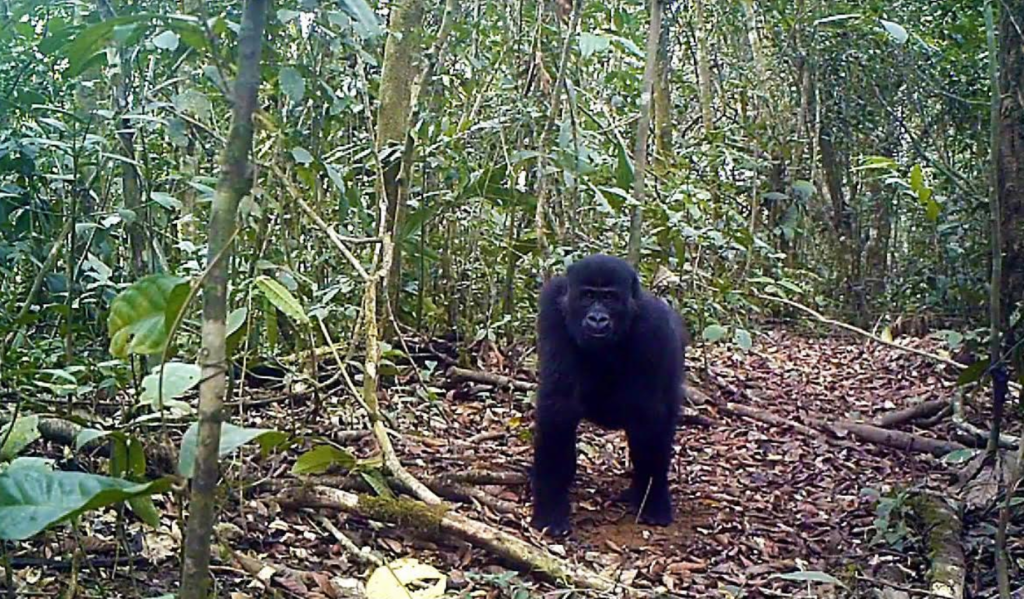
In the heart of Central Africa, where the dense foliage whispers ancient secrets, a grave threat has emerged that may shatter the delicate harmony of the ecosystem. The government of Cameroon has approved a logging concession that threatens to devastatingly impact the natural habitat of the majestic Western Gorilla, a species already teetering on the precipice of extinction. This dire situation is not merely an environmental hurdle; it is a clarion call for conservationists and wildlife enthusiasts alike, urging them to stand up against the encroachment of industry on our natural world.
The lush expanses of the Cameroon forests serve as a sanctuary for the Western Gorilla. Here, amidst towering trees and sacred groves, these magnificent creatures forge their lives, exhibiting rich social structures and complex behaviors. Their habitats are nothing short of a vibrant tapestry woven through millennia, encapsulating the essence of biodiversity. Yet, the ink of corporate contracts is now poised to mar this tapestry, unraveling the very essence of life that thrives within the forest’s embrace.
Logging activities, often cloaked in the guise of economic progress, are akin to a thief in the night, stealthily stripping the forests of their riches while grossly neglecting the ecological repercussions. Each tree felled is not merely a loss of timber; it is the annihilation of a habitat, the disruption of an ecosystem, and a step toward the obliteration of an irreplaceable species. The repercussions extend beyond the immediate surroundings, reverberating through food webs and altering geographical ballets that have been choreographed over countless years.
Western Gorillas, with their profound social bonds and intricate family dynamics, are more than just emblematic of wilderness; they symbolize the interconnectedness of all living beings. In their eyes, one can glimpse the wisdom of the ages—the knowledge that survival is a shared endeavor. The destruction of their habitat does not affect them in isolation; it reverberates through human communities, affecting biodiversity, livelihood, and the ancestral knowledge passed down through generations.
Logging concessions are often justified under the pretext of economic development, framed as necessary steps towards modernization. However, placed under the microscope, the outcome frequently reveals a disconcerting truth: profits are prioritized over preservation. For communities that depend on the forest for sustenance, these decisions can lead to socio-economic degradation. The irreplaceable resources of timber are finite, yet the wealth of biodiversity can be stifled, leaving generations bereft of the natural heritage that has sustained them.
The looming specter of habitat destruction also unveils a troubling paradox: as the natural world is carved away, mankind’s own connection to the environment weakens. The forests of Cameroon are not merely a backdrop to a human narrative; they are vital to the health of the planet. Deforestation contributes to climate change by releasing stored carbon back into the atmosphere, aggravating global warming. The jungles act as lungs for the Earth, and their decimation leads to atmospheric ramifications that touch every corner of the globe.
Moreover, the introduction of logging roads proliferates further environmental degradation. These pathways not only facilitate the transport of lumber but also invite poachers and illegal hunters into the territories of the gorillas, escalating the threat to their very existence. As sentinel guardians of the forest, the gorillas face a barrage of hazards that stem from human enterprise—hazards that are often invisible to those engaged in distant boardrooms, oblivious to the repercussions of their decisions.
This situation beckons for a reevaluation of priorities. Investing in the conservation of gorilla habitats is not a superfluity but an imperative. Ecotourism, when harnessed sustainably, can deliver substantial economic benefits to local communities while ensuring the preservation of wildlife. The forests of Cameroon, brimming with life and wonder, could serve as both a source of revenue and a bastion for biodiversity. By embracing a path that respects both economic growth and environmental integrity, a more balanced coexistence can be achieved.
The need for systemic change is paramount. Advocates and activists must rally to raise awareness about the plight of the Western Gorillas and their dwindling habitat. By utilizing social media, educational campaigns, and community involvement, the narrative surrounding logging concessions can shift from one of exploitation to a tale of sustainability and respect for nature. International partnerships could facilitate funding for conservation projects, putting a spotlight on the invaluable ecosystems at risk.
In the grand scheme of life’s interdependencies, the fate of the Western Gorilla is entwined with our own. The battle against logging concessions is more than an environmental cause; it is an assertion of humanity’s responsibility towards the natural world. Preserving the forests is tantamount to safeguarding our future, ensuring that the verdant landscapes continue to grace our planet with their splendor. The decision we face is a stark one: Do we continue to pave the way for annihilation or do we foster a legacy of stewardship?
As the logging machinery revs its engines and the sounds of chainsaws pierce the tranquil forest air, we must remember: the forests are alive, and so too is the struggle to protect their secrets. In this moment of moral reckoning, let us choose to be the voices for the voiceless, allies to the gorillas, and champions for a world where both humanity and nature can thrive in harmonious equilibrium.








Leave a Comment