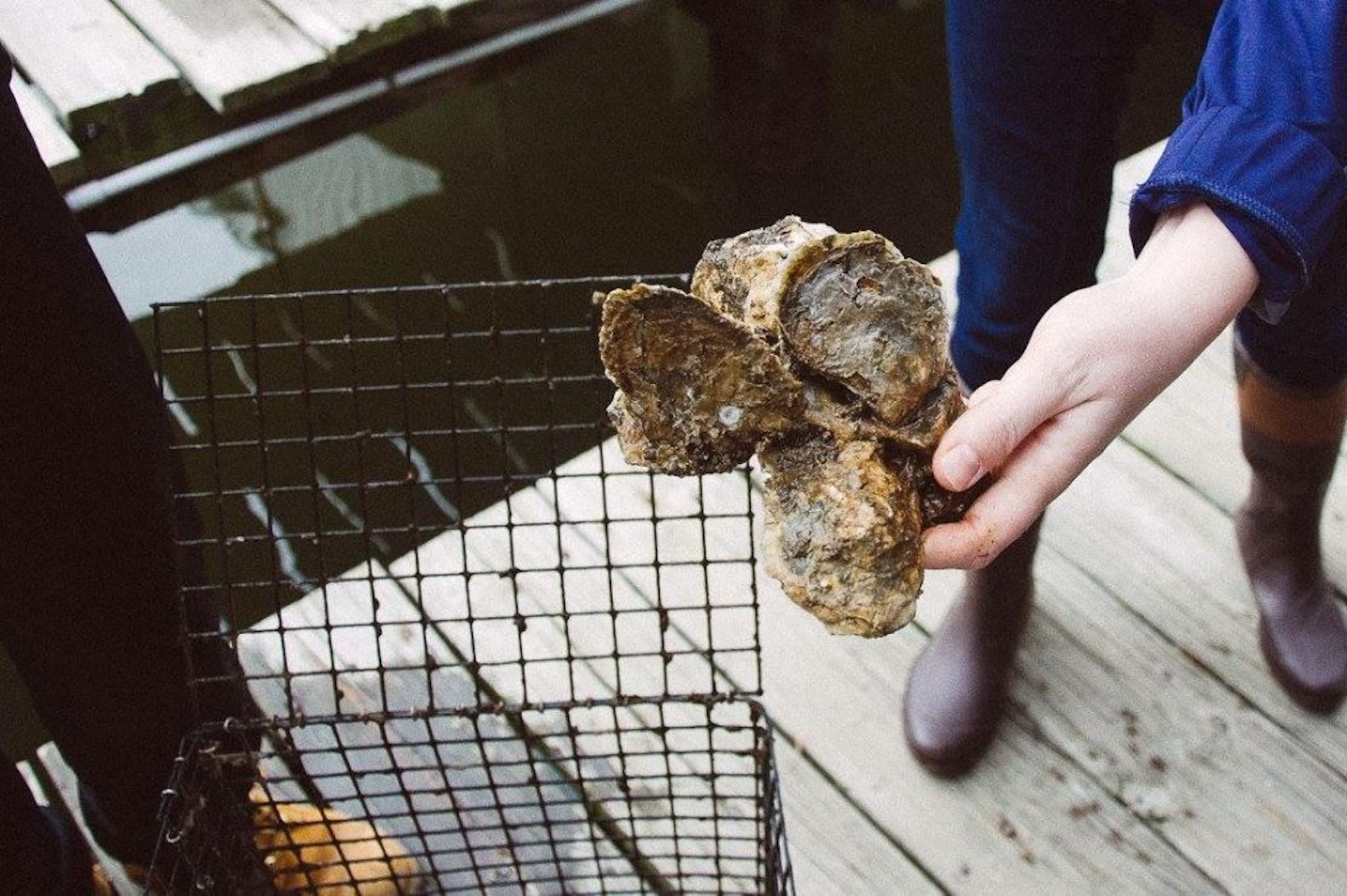
In the ebb and flow of Britain’s coastal ecosystems, few narratives resonate as profoundly as that of the humble oyster. These enigmatic mollusks embody the spirit of our oceans—resilient, yet vulnerable, steadfast, yet ever-changing. Recently, the tide has shifted in favor of these shellfish, as an unprecedented £1 million has been allocated for the restoration of Britain’s beleaguered oyster populations. This infusion of funds heralds a renewed commitment to coastal regeneration, underlining the critical role oysters play in marine environments and our collective responsibility towards them.
The project aims to breathe life into marine habitats that have been under siege from relentless human activity and environmental changes. Oysters, often referred to as “nature’s water filters,” serve a dual purpose; they not only provide a sanctuary for myriad marine species but also filter the waters, enhancing water quality. Unfortunately, centuries of overfishing, pollution, and habitat degradation have led to a dramatic decline in oyster populations. As guardians of our coasts, they deserve our utmost attention, and this substantial investment is a testament to our evolving understanding of ecological stewardship.
As we delve deeper into this initiative, it becomes essential to appreciate the complexity of the marine ecosystem. Oysters do not exist in isolation; they are part of a larger symbiotic relationship within their habitats. By fostering oyster populations, we, in turn, support an entire spectrum of marine life. An oyster reef, for instance, acts as a fortification, offering refuge to fish and crustaceans, while simultaneously serving as a breeding ground for various species. Thus, restoring oysters is not merely about reviving a single species; it is about reweaving the intricate fabric of coastal life.
Much like the intricate patterns found in a tapestry, each restoration effort entwines local communities, conservationists, scientists, and policy-makers in a collective quest. The initiative not only focuses on boosting oyster stocks but also emphasizes the significance of engaging local populations in the restoration process. Community involvement is paramount, as it fosters a sense of ownership and responsibility towards the marine environment. Educational programs, public outreach, and volunteering opportunities are vital elements that ensure the project reaches beyond the immediate financial investment, planting the seeds for a more informed and active citizenry.
In contemplating the financial commitment of £1 million earmarked for this cause, it is pivotal to recognize its potential far-reaching implications. This funding is not merely a drop in the ocean; it is a ripple that could inspire other nations contending with similar ecological predicaments. The United Kingdom stands at a crossroads, poised to set a precedent in marine conservation that echoes around the globe. Countries facing dwindling fish stocks and declining marine biodiversity could glean valuable insights from Britain’s strategic approach, advocating for a framework that emphasizes restoration and sustainable practices.
The timing of this financial boost couldn’t be more critical. Climate change, characterized by rising sea levels and increased ocean acidification, poses an existential threat not only to oysters but to entire marine ecosystems. As temperatures rise and storm patterns alter, the stability of coastal environments hangs in the balance. By fortifying oyster populations, we enhance the resilience of coasts, helping them weather the tumultuous storms that characterize our changing climate. Like steadfast sentinels, oysters hold the fort against the encroaching chaos, acting as buffers that mitigate the impacts of surging tides and coastal erosion.
The story of Britain’s oyster resurgence is also one of hope and resilience. It reminds us that nature is not merely a backdrop to human activity; it is a living, breathing entity that warrants respect and protection. In fostering the restoration of oysters, we embrace the concept of rewilding—an aspiration to relinquish our need for complete control over ecosystems. Allowing nature to reclaim its balance through self-sustaining processes is vital in nurturing a relationship that fosters harmony rather than hostility.
This monumental investment will also invigorate scientific research—one of the cornerstones of sustainable development. Understanding the complexities of oyster biology, reproductive patterns, and environmental interactions is critical for fostering robust populations. Marine biologists and ecologists are likely to engage in extensive fieldwork, analyzing the growth patterns of restored reefs and their interactions with surrounding species. In doing so, a wealth of empirical knowledge will be unleashed, presenting avenues for innovation in conservation practices that can be utilized long after this initiative reaches fruition.
The coastal restoration plan, therefore, stands as a pillar for a multifaceted approach to marine conservation. It intertwines ecological restoration, community engagement, scientific research, and an urgent response to climate challenges. The £1 million boost for oyster populations signifies a collective awakening—the realization that the health of our oceans is inextricably linked to our well-being. As we navigate the uncharted waters of the future, investing in the restoration of oysters may be one of the most crucial steps in fostering a sustainable relationship with our natural world.
In conclusion, the tale of Britain’s oyster populations and their restoration emphasizes the importance of nurturing life in all its forms. Each shell, each wave lapping against the shore, echoes the sentiments of resilience and promise. This initiative is not merely about reviving a species; it is about reconnecting with an integral part of our maritime heritage. As custodians of these waters, we have the opportunity to cultivate a legacy that transcends generations—a legacy defined by restoration, respect, and reverence for the remarkable ecosystems that sustain us.









Leave a Comment