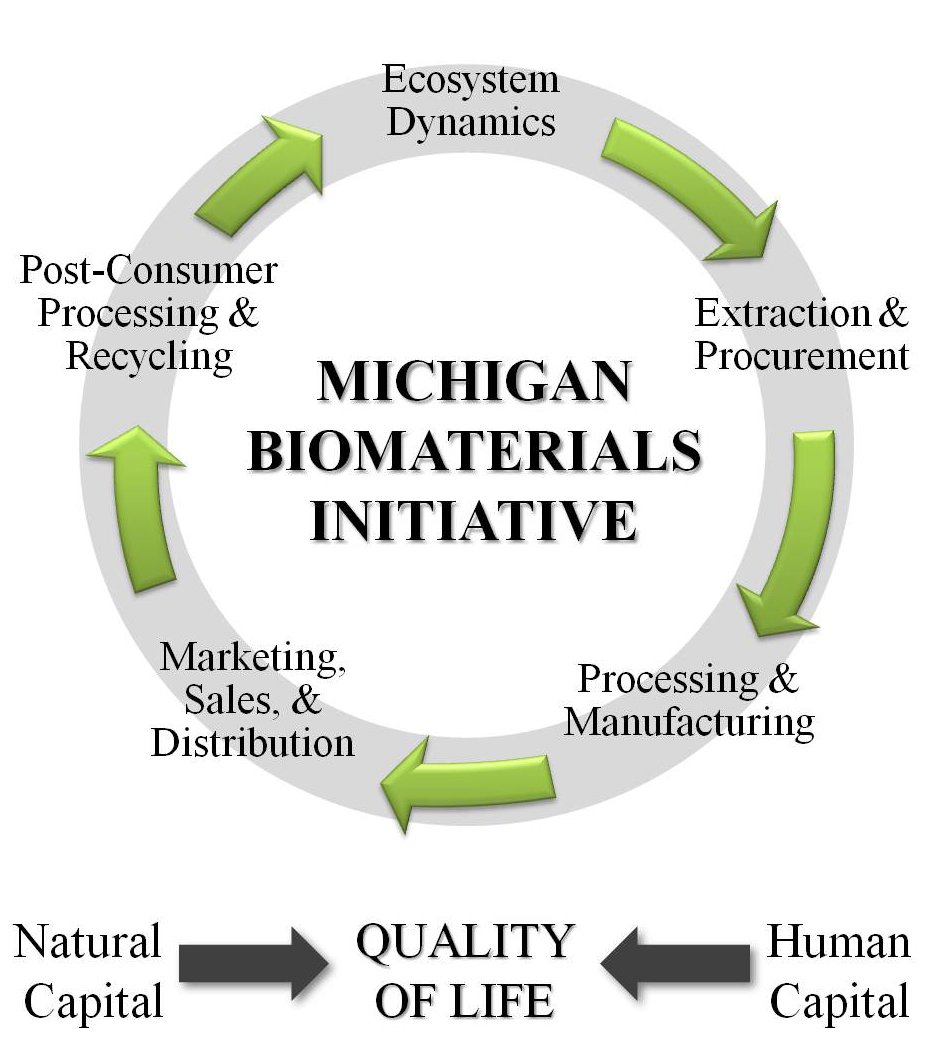
In recent years, biomaterials have surged back into public consciousness, capturing attention in academic circles, industries, and consumer markets alike. This resurgence is not merely a fleeting trend but a reflection of our critical juncture in addressing climate change. As society grapples with the dire consequences of plastic pollution and the depletion of natural resources, biomaterials present a sustainable alternative that could revolutionize our environmental footprint.
At the crux of this newfound enthusiasm for biomaterials lies a growing awareness of the environmental ramifications of traditional materials. Plastics, derived from fossil fuels, pervade our world, infiltrating oceans, waterways, and even our own bodies. The devastating truth is that millions of tons of plastic enter the oceans each year, contributing to a crisis that endangers marine life and disrupts entire ecosystems. As people witness the effects of climate change in their own backyards, the search for solutions has never felt more urgent.
Biomaterials, composed of renewable resources such as plants, microbes, and even waste products, offer a remarkable alternative. These materials can be biodegradable or compostable, reducing the burden on landfills and the environment. Unlike their petroleum-based counterparts, biomaterials work harmoniously with nature, returning to the ecosystem rather than persisting as pollutants. The net benefit is that they possess the potential to mitigate climate change by reducing greenhouse gas emissions associated with production and waste disposal.
One might wonder why, after decades of reliance on synthetic materials, there is a palpable shift back to biobased options. The answer lies in a combination of necessity and innovation. Researchers and engineers are tirelessly working to harness the properties of natural materials, transforming them into versatile alternatives for packaging, textiles, medical devices, and even construction. Innovations in biopolymers, for instance, reveal an exciting world where cellulose from plants can create strong, flexible, and biodegradable substances, rivaling traditional plastics in functionality.
The fascination with biomaterials extends beyond their environmental benefits. Products made from biomaterials often evoke a sense of connection to the earth, creating narratives that resonate with consumers. Brands that embrace sustainability stand to gain a loyal following, as consumers increasingly appreciate eco-conscious choices. This cultural shift signifies a desire for products that not only serve a purpose but also tell a story, one that honors sustainability and environmental stewardship.
Moreover, the economic implications of advancing biomaterials are staggering. According to various studies, the global biomaterials market is projected to experience exponential growth in the coming years. Increased investments in research and development are fostering new technologies and processes. Companies are actively seeking solutions that align with consumer demands for sustainability, driving competition within the market. Biomaterials have evolved into a strategic advantage for industries looking to pivot toward more sustainable practices, ultimately reshaping supply chains and manufacturing processes.
The impact of biomaterials is not limited to consumer products; their application in medical fields exemplifies their versatility and potential. Biocompatible materials are being utilized in wound dressings, drug delivery systems, and even tissue engineering. These materials reduce the risk of complications and enhance the healing process, ultimately contributing to a more sustainable healthcare system. Such advancements lend credence to the notion that biomaterials are not just a substitute; they represent a paradigm shift in how we approach healthcare and our relationship with materials.
An intriguing aspect of this biomaterials renaissance is the role of traditional knowledge and indigenous practices. Many cultures have relied on natural materials for generations, embodying a respect for the environment that modern manufacturing often overlooks. Integrating this wisdom into contemporary biomaterials research can lead to holistic solutions that honor both the past and the present. The collaboration between scientists and indigenous communities paves the way for innovative designs that benefit both parties and the planet.
However, the journey toward widespread adoption of biomaterials is not devoid of challenges. The infrastructure required for production, disposal, and composting is still in its infancy in many regions. Furthermore, the competition with entrenched industries that wield significant power complicates the transition. Policymakers, industry leaders, and consumers must unite to champion policies that promote the use of biomaterials over their toxic counterparts. This snarl of interests could challenge progress, but the call for urgent action against climate change could rally cooperative efforts.
Ultimately, the comeback of biomaterials is emblematic of humanity’s resilience and innovation in the face of adversity. It represents a pivotal moment where our collective conscience is slowly awakening to the realities of our environmental crisis. By embracing biomaterials, we are not merely choosing a substitute for plastic; we are fostering a deeper relationship with our planet. It is imperative that we acknowledge this connection and strive for a future where sustainable materials are the norm rather than the exception.
In the end, the narrative of biomaterials is one of hope and potential, driven by necessity, creativity, and a shared vision for a sustainable future. As society continues to grapple with the undeniable effects of climate change, the return to biomaterials may not simply be a comeback; it represents a clarion call for change, a shift toward reclaiming our responsibility to the Earth and its inhabitants. Perhaps this time, we will heed that call and embrace the possibilities that biomaterials bring to the table.











Leave a Comment