In the tangled web of modern environmental discourse, few themes resonate as profoundly as the exigent call for accountability. The recent testimonies from Big Oil executives in Congress have not only elicited a firestorm of scrutiny but have also illuminated a dark corner of corporate stewardship—one where truth and responsibility seem to evade the grasp of those in power. At the heart of these hearings lies a pivotal question: how can we hold corporate titans accountable when their actions wield immense repercussions on our planet?
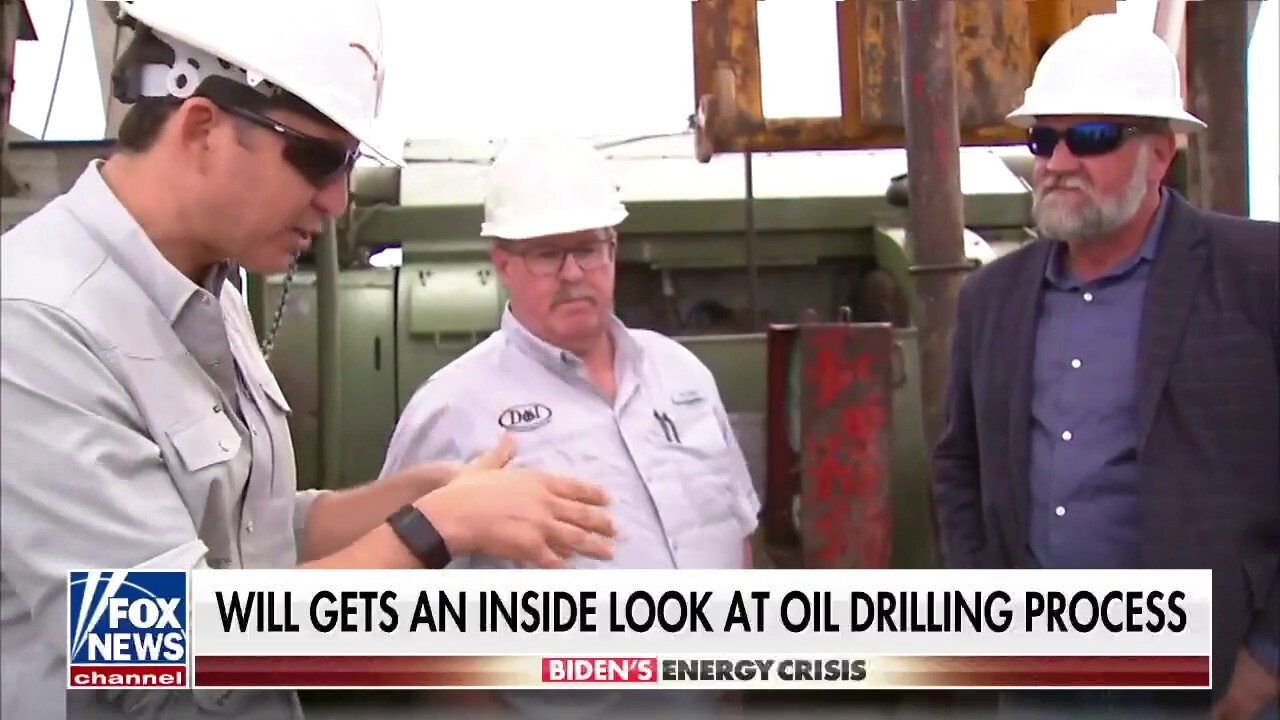
The petroleum industry, often likened to a leviathan lurking beneath the surface of our economy, has long been a potent force shaping both policy and public perception. Despite the mounting evidence of its detrimental impact on the environment, executives from major oil companies assert that the rising gas prices inflating consumers’ budgets are a consequence of geopolitical turmoil rather than their own machinations. This rhetoric echoes through the chambers of Congress, but it often rings hollow in the ears of those witnessing the tangible effects of climate change and resource depletion.
The operatic scene in Washington reveals a disconcerting dynamic: oil executives, adorned in tailored suits, present their polished narratives—artfully crafted stories designed to deflect blame and assuage public outrage. It is as if a great stage play is unfolding, with seasoned actors rehearsing lines that skirt the critical realities surrounding fossil fuel extraction, environmental degradation, and corporate greed. Audiences around the nation may wonder: how did we arrive at a moment where truth and accountability are relegated to mere background noise, overshadowed by corporate interests?
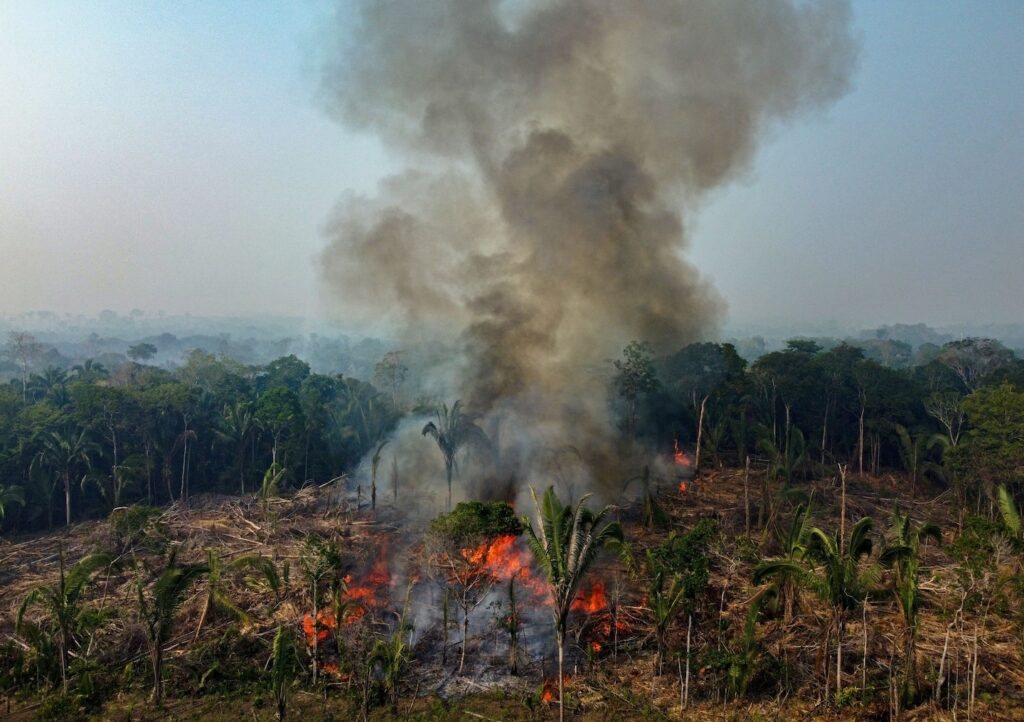
Imagine, if you will, a circus tent—bright and alluring—where each act promises excitement while concealing the underlying chaos. Here, the oil industry performs its juggling act, skillfully balancing profits, public relations, and environmental responsibilities. But the consequences of this unfettered performance are grave. The voluptuous profits reaped by these companies often translate to ecological devastation: oil spills, deforestation, and increasing greenhouse gas emissions that hasten the demise of our planet.
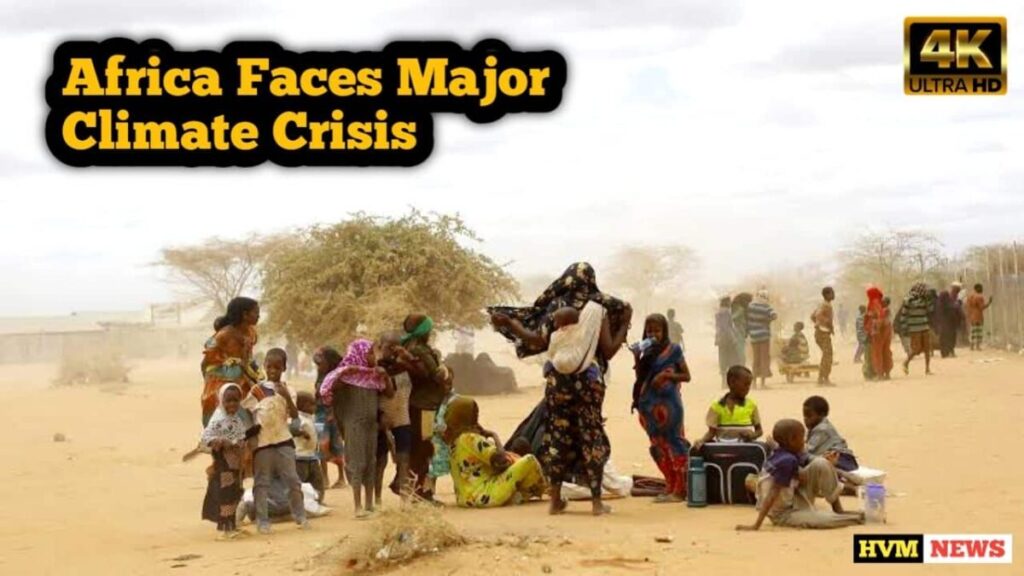
The need for accountability, therefore, is not merely a bureaucratic exercise; it is an ethical imperative. This notion resonates with urgency when one considers the cyclical nature of corporate deceit. As oil executives deflect responsibility, the burden falls heavier on consumers and marginalized communities, often the first to bear the brunt of environmental collapse. Vulnerable populations, previously sidelined in policy discussions, now find their voices echoing in a collective chorus, demanding that the powerful be held accountable for their actions.
Moreover, accountability serves as a linchpin for genuine progress in addressing climate change. Without it, we may find ourselves trapped in an interminable loop of corporate mischief—one where temporary denials and apologies are merely speed bumps on the road to profit. The 21st century has ushered in a plethora of sustainable alternatives, from renewable energy sources to innovative technologies aimed at reducing carbon footprints. Yet, these advancements are often stifled by the monopolistic tendencies of established oil companies, perpetuating a cycle of reliance on fossil fuels and stunting our collective potential for salvation.
To instigate change, we must examine the roots of corporate accountability. This requires a multi-faceted approach: legislative reforms, transparent practices, and robust civic engagement. Policymakers must devise regulations that transcend mere fines and reprimands, instituting consequential measures that ensure sustainability remains at the forefront of corporate operations. The power of consumer activism cannot be underestimated either; individuals wield the ability to amplify their voices through boycotts and advocacy, compelling companies to realign their priorities and surrender to the will of the people.
The narrative we collectively weave must challenge the status quo. Transparency must replace obfuscation. The tales told by executives should be woven from threads of honesty, interlaced with a commitment to resolving the ecological crisis that looms ominously over us. This narrative shift would not merely benefit the environment; it would cultivate public trust, a commodity more valuable than gold in a commodified world.
In forging a path forward, we are reminded of the importance of narratives in the quest for accountability. Just as every great tale has heroes and villains, so too does the discourse on climate change. The heroes emerge from grassroots movements rallying against corporate overreach, while the villains are often obscured by shadows—vested interests that prioritize shareholder returns over the well-being of the planet. By illuminating these figures and their actions, we can hold them accountable, forcing them to reckon with the repercussions of their choices.
In conclusion, the imperative of accountability in the oil industry extends far beyond the confines of Congressional hearings. It encapsulates the broader struggle between corporate power and environmental stewardship. As stewards of this planet, we must demand transparency, reject complacency, and forge a future where accountability is not merely a bemoaned afterthought, but a cornerstone upon which we build resilient communities and a sustainable world. The time for action is now; the delicate balance of our ecosystem hangs in the balance, and we must ensure that the actors on the stage of power are held to the highest accountability for their roles.







Leave a Comment