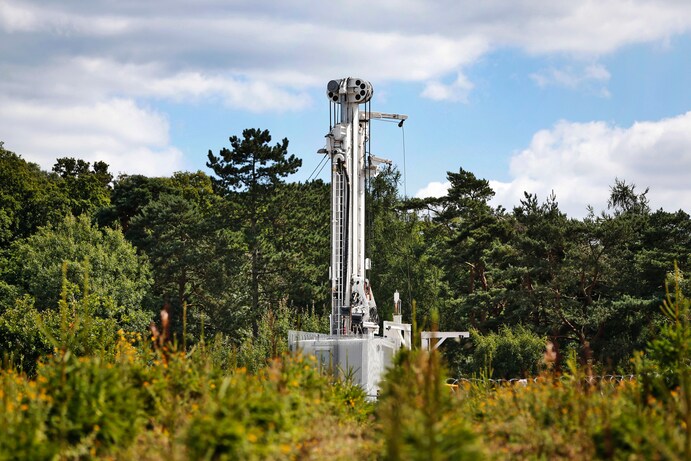
Biden’s administration has embarked on a multitude of ambitious environmental initiatives, one of the most significant being the proposal to ban fracking. This controversial measure is not simply an environmental crusade; it encapsulates the intricate tapestry of politics, public sentiment, and the burgeoning urgency of climate change. The question looms large: is this fracking ban a genuine commitment to preserving the planet, or merely a politically savvy maneuver that may backfire?
At its core, hydraulic fracturing or fracking, has been heralded as a transformative technological advancement in the energy sector. This method, characterized by injecting high-pressure fluid into subterranean rock formations, has unlocked vast reserves of natural gas and oil. In recent years, fracking has not only propelled the United States to newfound energy independence but has also significantly altered the global energy landscape. However, the environmental ramifications are dire and far-reaching.
The fracking process is notorious for its associations with groundwater contamination, adverse health effects, and substantial greenhouse gas emissions. While proponents argue fracking is a cleaner alternative to coal, studies unequivocally demonstrate that it still contributes significantly to climate change. Biden’s proposed fracking ban emerges from a recognition of these environmental perils, aiming to mitigate climate change, promote renewable energy, and protect vulnerable ecosystems.
In the political arena, the discourse surrounding fracking is equally convoluted. For many, the fracking ban is fundamentally a litmus test for commitment to climate action. With a rapidly changing climate catalyzed by human activity, the urgency for substantial reforms is palpable. Biden’s commitment resonates with an electorate increasingly attuned to environmental degradation and eager for leadership that prioritizes sustainable futures over corporate profit. However, opposing voices have emerged, cautioning against the economic ramifications of such a sweeping ban. The energy sector, critically entwined with job creation and economic stability, finds itself at a crossroads.
The dichotomy is stark: on one side, environmental activists advocate passionately for a frack-free future, while on the other, thousands of jobs and the livelihoods of communities hinge on the stability of the fossil fuel industry. The inevitable tension between environmental health and economic stability raises legitimate concerns regarding the potential fallout of a fracking ban.
In many economically distressed areas, fracking has served as a lifeline. Jobs within the energy sector often provide some of the highest wages in regions suffering from industrial decline, creating a palpable addiction to the monetary influx. Consequently, halting fracking without viable alternatives could exacerbate socioeconomic disparities. The challenge, therefore, is not simply to ban fracking but to implement a robust transition plan that encompasses job retraining and investment in green industries.
Moreover, the intricacies of the energy market reveal layers of complexity that must be navigated. The United States is a global leader in natural gas and oil production, and a sudden cessation could send shockwaves through the international market. Prices may surge as supply diminishes, impacting consumers and industries reliant on fossil fuels. Discontent could breed among the electorate, reflecting the risks associated with ambitious environmental reform.
However, there lies a silver lining. The potential for technological innovation and investment in renewable energy sources—such as solar, wind, and bioenergy—could serve to mitigate the economic impacts of moving away from fossil fuels. The burgeoning green economy not only promises environmental dividends but has the potential to create job opportunities that are sustainable and equitable. The challenge lies in ensuring that the transition is just, leaving no worker behind as we stride confidently into the future.
Public sentiment plays a pivotal role in this evolving narrative. As awareness of climate change swells, citizens are increasingly demanding accountability and decisive action from their leaders. Environmental organizations are bolstering this movement, rallying grassroots support, and lobbying for comprehensive policies that reflect an urgent need for change. This groundswell of public support serves as both a boon and a challenge for Biden’s administration as it navigates the murky waters of political opposition and economic constraints.
Internationally, Biden’s fracking ban would signal a profound shift in American energy policy and could significantly enhance the United States’ credibility in global climate negotiations. By demonstrating a commitment to curtailing fossil fuel extraction, the administration aligns with the aspirations of the Paris Agreement and other global environmental commitments. This commitment is particularly salient as other nations—including major fossil fuel producers—face immense pressure to reduce carbon emissions in the context of increasingly severe climate-related events.
As the clock ticks on climate change, it is essential to scrutinize the repercussions of Biden’s fracking ban within the broader context of environmental justice and economic stability. Engaging with diverse stakeholders—including industry leaders, environmentalists, and the communities affected by fracking—is crucial for forging a path that promotes both ecological health and economic resilience.
Ultimately, the intention behind the fracking ban must transition from mere rhetoric to actionable policy that respects the complexities of both the environment and the economy. In a nation rife with division, the question remains whether a pragmatic and compassionate approach can be adopted, leading to solutions that avert ecological catastrophe without sacrificing the livelihoods of countless Americans. This dilemma represents not just a test of policy efficacy but a reflection of societal values and priorities as we stand on a precipice, contemplating the future we wish to forge.
In the end, Biden’s fracking ban is far more than an isolated policy decision; it is a nexus of environmental stewardship, political aspiration, human interest, and global responsibility. The stakes are undeniably high, compelling us to ponder not just what is lost in the pursuit of sustainability but what can thrive within a renewed commitment to our planet.










Leave a Comment