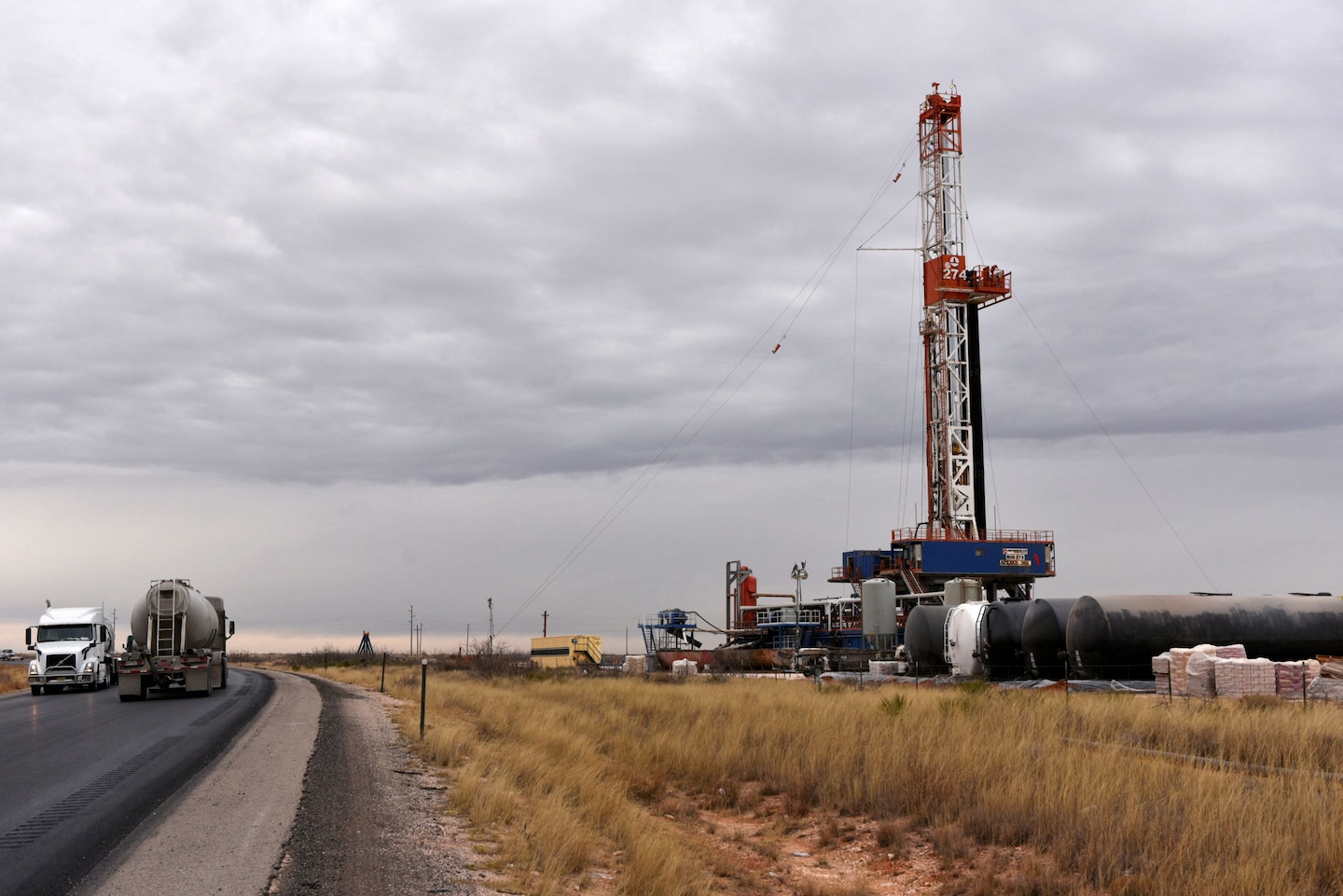
As the world grapples with the ever-accelerating climate crisis, recent actions by the Biden administration have unveiled a dichotomy in its energy policies. While the rhetoric surrounding climate change has been robust, the resumption of oil and gas drilling on public lands amidst soaring energy prices elicits a critical analysis. This juxtaposition begs the question: are we witnessing a necessary compromise, or a troublesome regression in the fight against climate change?
The Biden administration, in its efforts to ameliorate the economic anxiety stemming from inflated energy costs, has reinstated leasing opportunities for oil and gas production on federal lands. This decision comes at a time when the average American household is grappling with skyrocketing energy bills, prompting calls for immediate relief. But is this relief worth the potential long-term ramifications? The challenge looms large—can we balance economic necessity with environmental stewardship?
To understand the implications of this policy shift, one must delve into the complexities of America’s land management and its historical relationship with fossil fuel extraction. The United States is endowed with vast reserves of oil and gas, much of which lies beneath public lands and waters. For decades, energy extraction has been a contentious issue, often pitting economic development against conservation and public health interests.
In light of the recent disruptions in global energy markets—partly a consequence of geopolitical tensions and the lingering effects of the COVID-19 pandemic—the decision to expand drilling rights may be construed as a pragmatic response. Economic exigencies dictate that energy prices remain a central concern. However, this urgent need for energy solutions cannot overshadow the long-term deleterious effects tied to fossil fuel extraction.
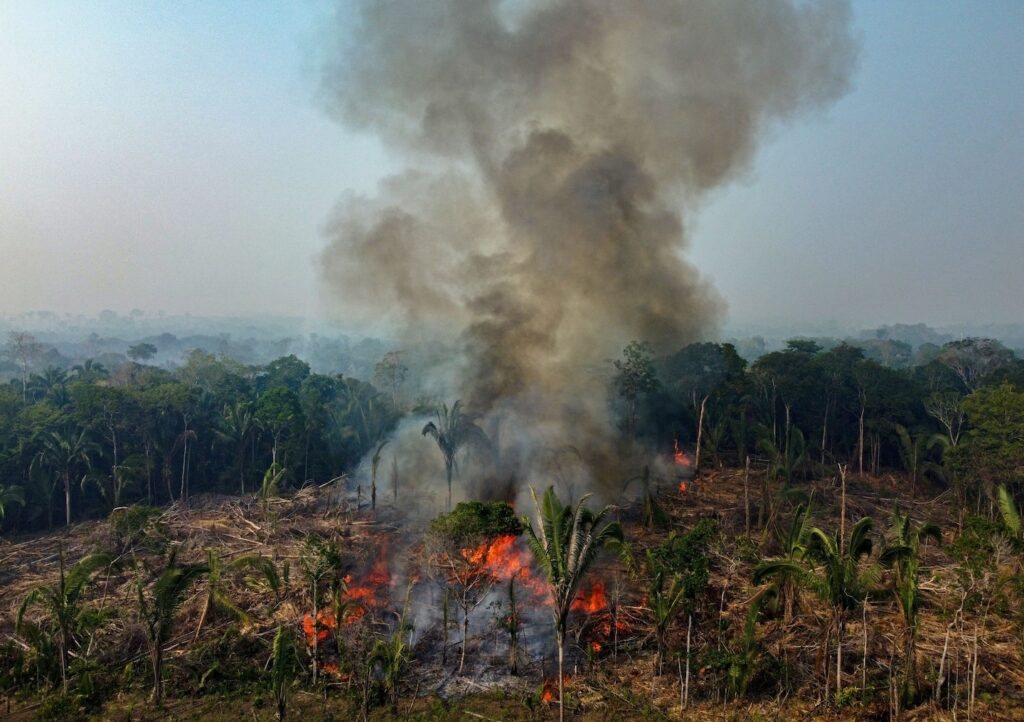
Moreover, the environmental repercussions of increased drilling are manifold and deeply concerning. Oil and gas extraction processes can lead to significant habitat destruction, water contamination, and increased greenhouse gas emissions. The extraction of fossil fuels is a leading contributor to climate change, a phenomenon that has already wrought havoc with increasingly frequent and severe weather events, wildfires, and rising sea levels. Increasing drilling activity on public lands may thereby undermine the very principles the Biden administration professes to uphold regarding environmental protection and sustainability.
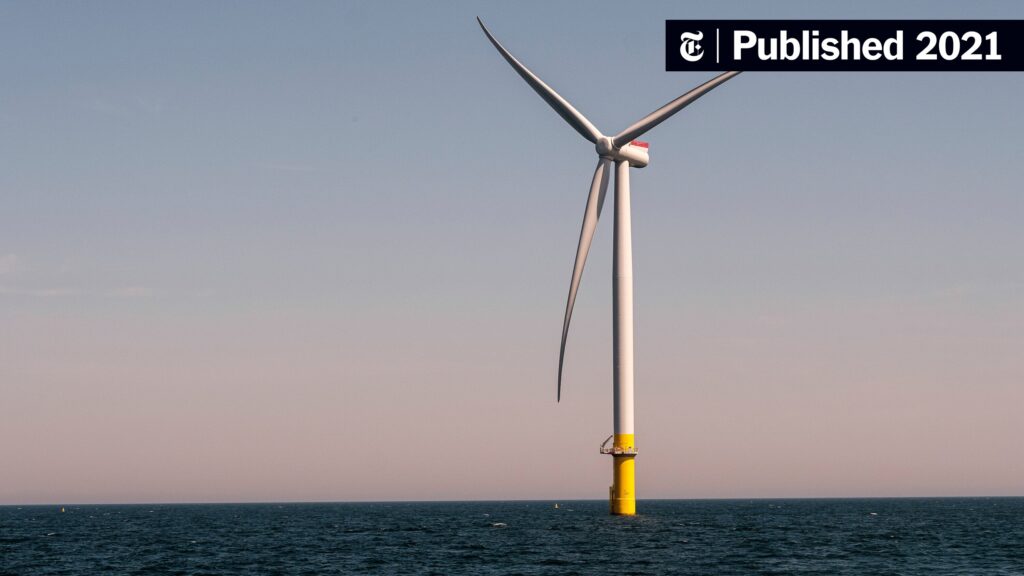
Critics of this policy shift argue that it represents a capitulation to fossil fuel interests, often obscuring the urgency of investing in renewable energy technologies. Renewable energy sources like wind, solar, and geothermal must be championed as a viable alternative to fossil fuels. Establishing a robust infrastructure supporting renewables creates jobs and sustains economic growth without exacerbating the climate crisis. Investing in clean energy not only addresses current economic challenges but also positions the nation toward a sustainable, prosperous future.
It’s imperative to underscore that this economic relief is, at best, a short-term fix. The endurance of fossil fuel dependency ensures that the underlying issues of energy insecurity and climate vulnerability remain unaddressed. There exists a pressing inquiry: How can policymakers pivot from short-lived solutions to robust frameworks that support long-term sustainability?
The Biden administration’s predicament is stark—striding the fine line between immediate economic relief and the constitutional duty to protect public lands for future generations. The decision to resume drilling reveals a broader negotiation between economic fortitude and environmental ethics. How governments navigate this complexity could determine the trajectory of climate policy for decades to come.
Moreover, the narrative of energy independence remains central to this discourse. As the U.S. seeks to assert its position in global energy markets, there emerges a temptation to resort to conventional fossil fuel exploitation. The reality is that true energy independence must be redefined to encapsulate not just fuel production, but also a transition to energy systems that prioritize ecological health and resilience.
The complexities inherent in this energy transition are further compounded by public sentiment. Many Americans are understandably concerned about their immediate economic well-being, and rising energy prices evoke visceral reactions. Yet, this urgency must not propagate policies that entrench reliance on outdated energy paradigms. Awareness and advocacy for a comprehensive energy approach that encompasses renewable technologies must remain at the forefront of public discourse.
Looking ahead, the challenge of reconciling short-term economic pressures with the long-term imperative to combat climate change remains daunting. As the Biden administration navigates this pivotal juncture, stakeholders—from environmental advocates to community members—must invoke constructive dialogue. How can we collectively advocate for policies that not only address present necessities but also pivot towards a greener future?
Amid these swirling complexities, it is crucial to catalyze conversations surrounding sustainable practices. The emphasis should pivot towards creating a resilient energy economy that harmonizes social equity, environmental integrity, and economic viability. Above all, the transition to renewable energy sources must be viewed not solely as a distant ambition but as an attainable goal that addresses current crises while safeguarding the Earth.
In essence, the question remains: Is the resumption of oil and gas drilling a necessary evil for immediate relief, or does it represent a stark reminder of the continued struggle against fossil fuel dependence? As the narrative unfolds, the call for action must remain clear: concerted efforts are needed to drive this reflection towards tangible, progressive changes, ensuring that the legacy we leave behind is one of consciousness, responsibility, and hope.








Leave a Comment