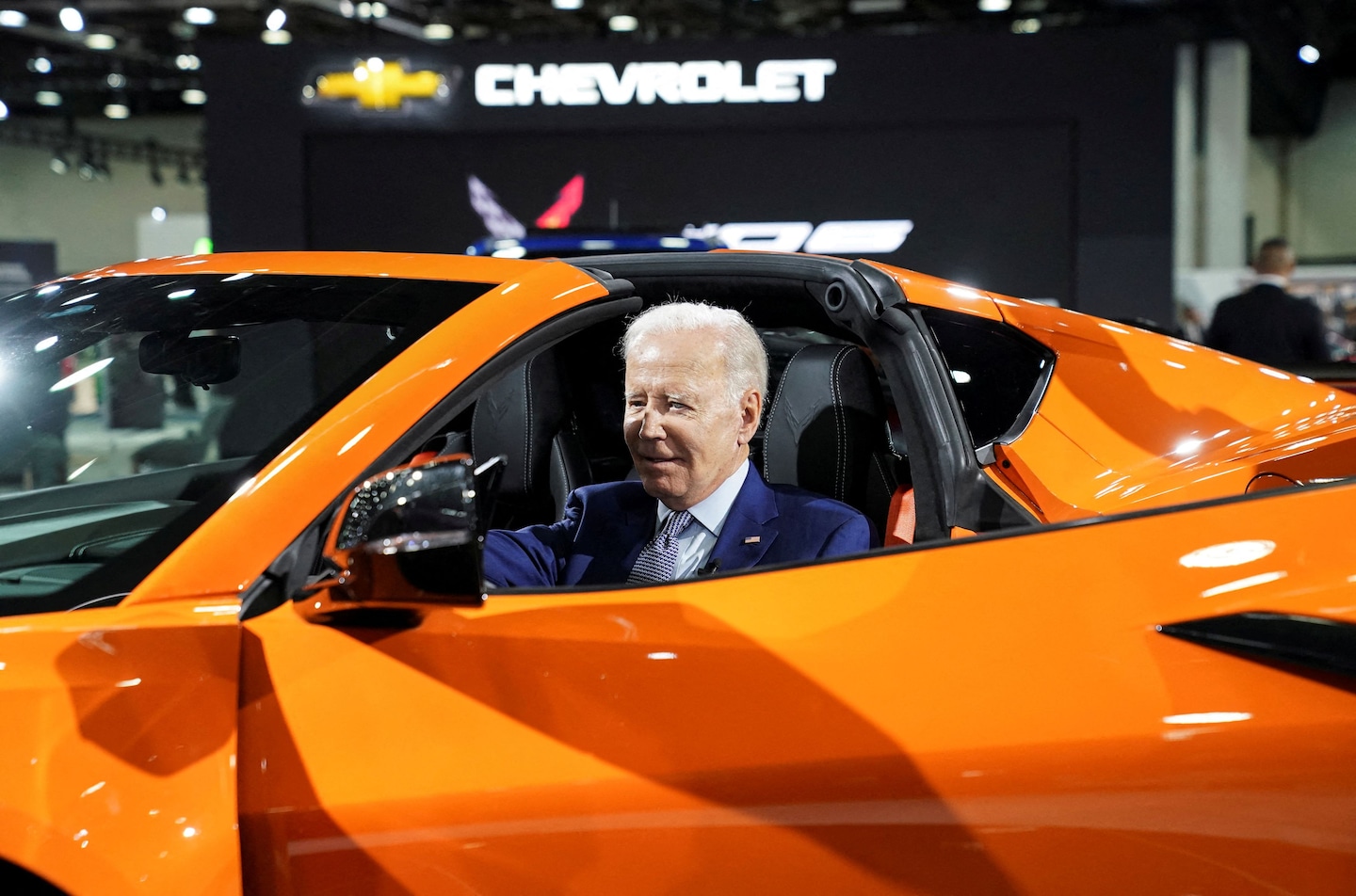
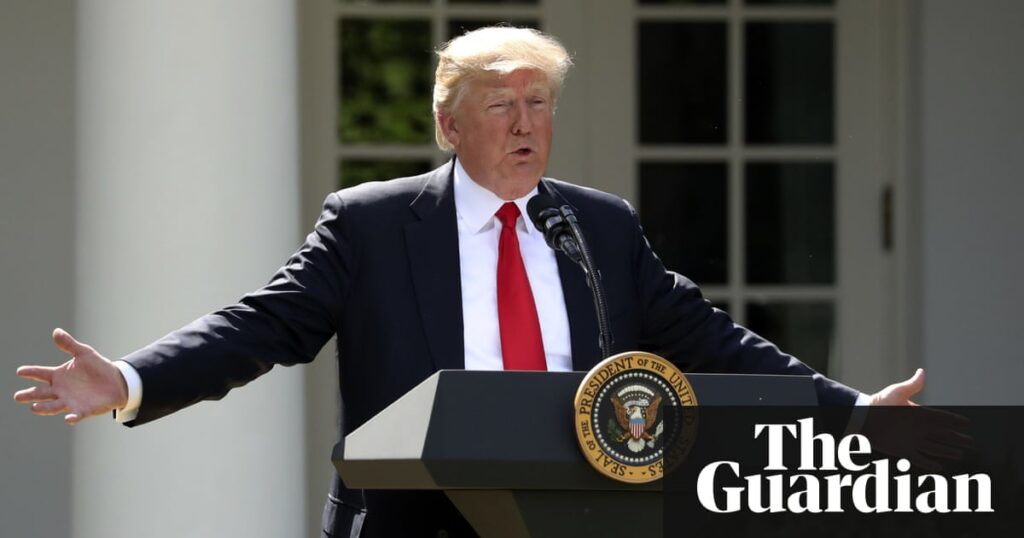
In an epoch characterized by escalating climate concerns and an urgent need for sustainable reforms, the Biden administration took a pivotal step by restoring California’s stringent vehicle pollution standards. This decision marks a significant departure from the regressive policies instituted during the Trump administration, which sought to dilute environmental regulations under the guise of economic growth. The restoration of these standards is not just a regulatory action; it embodies a renewed commitment to environmental accountability, public health, and the fight against climate change.
The narrative surrounding vehicle emissions is deeply intertwined with a broader quest for cleaner air and reduced carbon footprints. Automobiles remain one of the foremost contributors to greenhouse gas emissions in the United States, accounting for nearly 29% of total emissions. In this context, California’s vehicle pollution standards, which are stricter than federal requirements, serve as a beacon for environmental reform. By reinstating these standards, the Biden administration acknowledges California’s unique authority under the Clean Air Act to set its own emissions regulations.
The restoration of these regulations is especially significant considering California’s role as a trendsetter in automotive policy. Other states often follow California’s lead, amplifying the impact of its emissions standards nationwide. As a state that has grappled with chronic air quality issues, the imposition of stricter vehicle pollution standards is a critical measure to mitigate health disparities linked to air pollution. For communities disproportionately affected by environmental negligence—often low-income and minority groups—this move represents a lifeline, a chance for healthier living conditions.
However, the restoration of California’s vehicle pollution standards is not merely a localized issue; it carries broader implications for the entire automotive industry. Major manufacturers must now adhere to the tighter regulations, pushing them to innovate and invest in cleaner technologies. As electric vehicles (EVs) gain traction, automakers are propelled to accelerate their transition away from fossil fuels. This shift not only represents an essential evolution in transportation but also fosters economic opportunities in the burgeoning green technology sector.
The implications of restoring these standards extend beyond emissions; they encompass job creation, technological innovation, and industry resilience. Transitioning to cleaner vehicles stimulates demand for electric and hybrid models, prompting manufacturers to develop newer, more efficient technologies. Investments in these areas can lead to job creation in fields such as battery production, charging infrastructure development, and research into sustainable materials. The multilateral benefits that arise from such a transition are numerous, underscoring the necessity of ambitious environmental policies.
Moreover, the reinstatement of these standards signals a paradigm shift in federal environmental policy. It reflects a recognition of the existential threats posed by climate change and the imperative for bold, comprehensive action. As the United States confronts the consequences of its historic fossil fuel dependence—exemplified by increasingly frequent and devastating wildfires, floods, and hurricanes—there is no room for complacency. By restoring California’s vehicle pollution standards, the Biden administration endeavors to demonstrate a serious commitment to addressing these challenges with tangible regulatory measures.
Yet, this policy restoration is not without opposition. The automotive industry, particularly in states resistant to stringent regulations, has voiced concerns over the costs associated with compliance. Critics argue that elevated standards could hinder consumer choice and increase vehicle prices. Nonetheless, the long-term benefits of cleaner air and reduced health care costs from pollution-driven diseases far outweigh the immediate economic concerns. As empirical evidence mounts regarding the health risks of vehicle emissions, it becomes increasingly untenable to prioritize short-term economic advantages over public welfare.
The climate crisis necessitates an urgent recalibration of national priorities. Every facet of daily life, from transportation to energy consumption, must be examined through an environmental lens. The restoration of California’s vehicle pollution standards is a cog in a much larger wheel, one that revolves around the critical need for sustainable practices across all industries. It invites citizens to re-evaluate their relationship with their vehicles, pushing for greater awareness and advocacy for sustainable choices.
Furthermore, California’s action aligns with a global movement towards electrification and away from internal combustion engines. Countries around the world are implementing their own stringent standards and transitioning to electric vehicles. By adopting and enforcing these standards, the United States aims to reinstate its position as a leader in the global fight against climate change, showcasing the feasibility and urgency of the transition to cleaner technologies.
The positive implications of this restoration also extend to the public’s perception of climate action. While the last few years have seen substantial polarization around environmental regulations, the Biden administration’s reaffirmation of California’s standards seeks to unite a fragmented discourse. By emphasizing the importance of clean air, public health, and innovation, it endeavors to cultivate a more comprehensive dialogue among stakeholders ranging from policymakers and business leaders to everyday citizens.
In conclusion, the restoration of California’s vehicle pollution standards illustrates a critical juncture in U.S. environmental policy. It embodies a reawakening to the realities of climate change and reinforces the significance of state-led initiatives in shaping a sustainable future. As the nation moves forward, the implications of this decision will resonate far beyond California’s borders, influencing national policies, promoting industry-wide innovation, and fostering healthier communities across the United States. With a concerted effort to embrace sustainability, the road ahead holds the promise of a cleaner, more equitable planet.










Leave a Comment