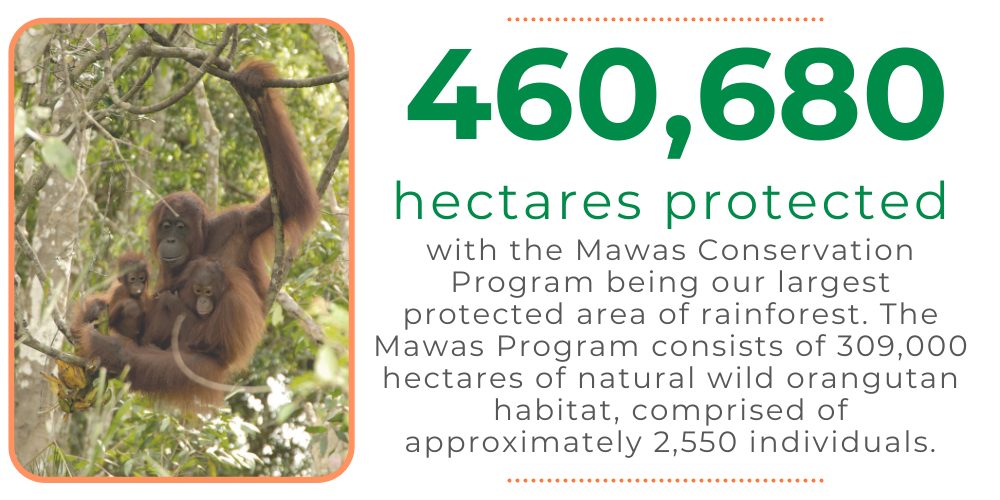
The plight of orphaned orangutans, who find themselves alone after the destruction of their forest homes or the cruel hand of poaching, evokes a visceral response. They are not merely casualties of a wildlife crisis; they are sentient beings, vital not only for their ecosystems but also as a captivating reminder of our collective responsibility. To understand the journey of these majestic creatures is to grasp the intricate web of life they inhabit and the urgent need for their rehabilitation. Behind the scenes of rescue operations lies a profound journey—one of healing, growth, and eventual re-emergence into the wild.
Upon initial rescue, orphaned orangutans exhibit profound trauma. The chaos of their early experiences leaves indelible marks, shaping their behavior and ability to adapt. As they are relocated to rehabilitation centers, the initial focus is survival. Caregivers create a sanctuary, a safe space that mimics the lush rainforest where they would naturally thrive. Here, the essence of the rehabilitation process begins—a melding of compassion, observation, and scientific understanding that forms the backbone of their recovery.
The sights and sounds of the rehabilitation facility are nothing short of a symphony of life. Caregivers don’t merely provide sustenance; they offer companionship. Each orangutan, with its unique personality, receives dedicated attention. This individualized support builds trust, slowly erasing the imprint of fear that their past traumas instilled. A gentle pat on the head, a soothing voice, and a consistent routine encourage a gradual reawakening of their playful spirit. It is an invitation for them to rediscover joy.
As feelings of safety bloom, the crucial educational component of rehabilitation comes into play. In many ways, this is as much a classroom as it is a home. Caregivers teach the orphaned orangutans fundamental skills, essential for surviving in the wild. Climbing, foraging, and even social interaction encapsulate this painstaking educational endeavor. The importance of these lessons cannot be overstated; they are the very skills that will empower the orangutans to navigate their future.
For instance, caregivers simulate natural foraging conditions by placing fruits in hidden locales, thus fostering their capacity for discovery. This game not only builds physical prowess but sharpens their intellect. The ability to problem-solve—fundamental for an animal that needs to find food, shelter, and safety—becomes a central theme in their rehabilitation. Furthermore, patience and perseverance become an integral part of their training, skills they will rely upon in the complex tapestry of their future lives.
The interconnectedness of community is also a significant consideration in rehabilitation. Orphaned orangutans flourish through social learning, much like children. The joyous cacophony of their interactions with rehabilitated peers fosters a sense of belonging. Through play and exploration, younger orangutans pick up cues from older, socialized individuals. This phenomenon enriches their experiences and solidifies a crucial bond that enhances confidence and aids emotional healing.
Yet the path to rehabilitation is not without its obstacles. Some orangutans may arrive at the centers exhibiting severe anxiety or aggressive tendencies due to the trauma they have endured. Often, these behavioral issues necessitate tailored psychological support—an emotional balm for their troubled past. The skillful observation of caretakers becomes paramount as they discern the subtle signals that indicate distress. Such attentiveness allows caregivers to implement strategies that effectively mitigate fear and reactivity, slowly guiding the orangutan towards a more stable emotional state.
The transition from rehabilitation to eventual release is a multifaceted endeavor that evokes both hope and anxiety. As the orangutans progress through their recovery, the ultimate goal shifts towards reintroduction into their natural habitats. This process is carefully orchestrated, emphasizing acclimatization to a newfound independence. Before their departure, they spend extensive time in semi-wild enclosures that mimic their natural environment. This transitional phase serves as a final test—allowing the caregivers to assess their readiness to rejoin the wild.
Release itself is both a celebration and a poignant reminder of the environmental challenges still at hand. The landscape surrounding these rehabilitation centers is often fraught with deforestation and fragmentation. Restoring habitats becomes not merely a choice, but an imperative for conservation. The work does not end with release; it extends to advocacy, education, and continuous monitoring of the reintroduced populations. These efforts are vital to ensure that the rehabilitated orangutans can thrive in a world where human encroachment threatens their existence.
The broader narrative woven through the rehabilitation journey of orphaned orangutans reveals the synergy between wildlife conservation and human responsibility. Each one of these magnificent beings that is returned to the wild represents a promise fulfilled—an embodiment of hope for a world in which coexistence is not just a dream but a reality. Thus, their story becomes a clarion call: a call to action for all humanity to recognize its intrinsic role in the conservation of biodiversity.
As we delve deeper into the nuances of rehabilitating orphaned orangutans, one cannot help but feel a shift in perspective about our place within nature. The triumphs and challenges of these magnificent creatures serve as a mirror reflecting humanity’s relationship with the environment. The journey of rehabilitation is an ongoing story, one that invites us to participate in a narrative far larger than ourselves. In reimagining our connection with the natural world, we may yet forge a more sustainable future—for them and for generations yet to come.










Leave a Comment