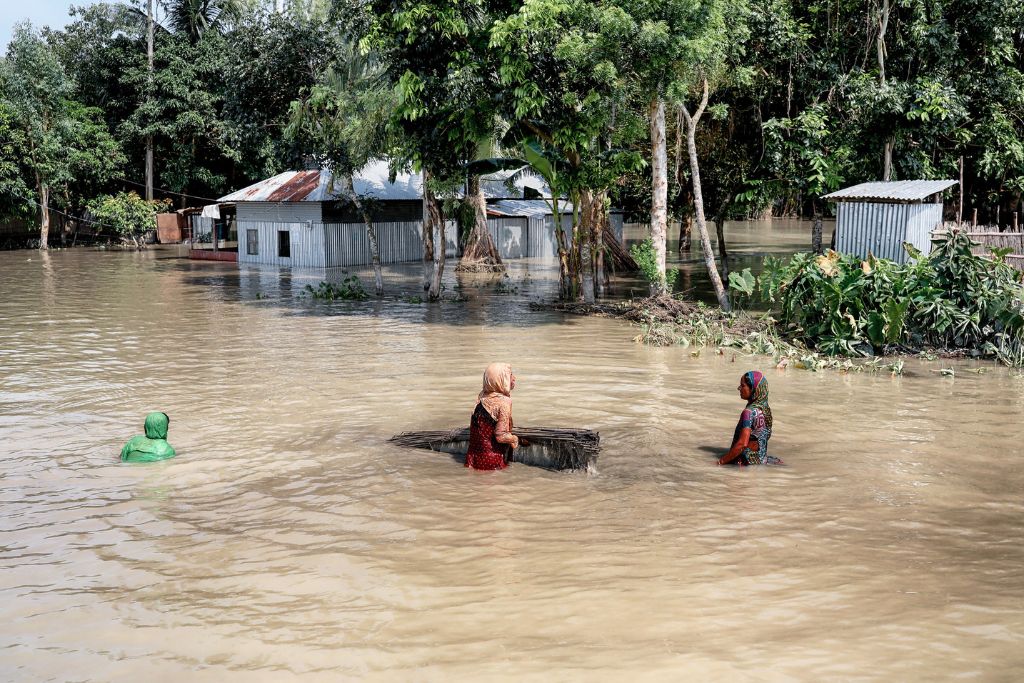
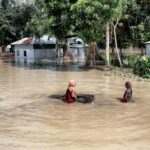
In recent days, Bangladesh has been grappling with catastrophic floods that have claimed the lives of at least 71 individuals, leaving thousands more in distress. As UNICEF raises its alarm about the escalating consequences of climate change, the nation finds itself ensnared in a web of unprecedented challenges. This poses a question: how can a country that has been resilient in the face of natural calamities possibly navigate the forthcoming tempest of climate-induced disasters?
To truly comprehend the scope of this crisis, one must delve into the geographical and socio-political context of Bangladesh. Nestled in the Bengal delta, where the Ganges, Brahmaputra, and Meghna rivers converge, Bangladesh is one of the most vibrant yet vulnerable countries on the planet. The low-lying lands predispose the nation to flooding during monsoon seasons, yet this year’s deluge has surpassed historical precedents in both intensity and duration.
The rainfall levels recorded were staggering, attributed to erratic climatic patterns driven by broader global warming trends. Climate change is not a distant threat; it is an immediate and pressing reality that is altering weather systems, leading to increased frequency and severity of natural disasters. The recent floods, exacerbated by rising sea levels and increased rainfall, represent a clarion call for both local and international communities.
This disaster struck not merely as a natural phenomenon but as a poignant reminder of systemic vulnerabilities. Many communities in Bangladesh are steeped in poverty and lack adequate infrastructure to deal with such crises. Families are compelled to abandon their homes, often resulting in traumatic dislocation, loss of livelihood, and upheaval of their very existence. In addition to the immediate toll, the aftermath of floods breeds additional insidious threats such as waterborne diseases, food insecurity, and mental health crises.
Children are particularly vulnerable during such calamities. UNICEF’s warnings underscore that children in Bangladesh face significant threats as the deluge disrupts education, access to health care, and basic nutrition. When schools are submerged, what becomes of the next generation’s opportunity to learn? This leads us to ponder: how do we prioritize the well-being of the youngest in our society amidst such devastation?
This question rings louder as various humanitarian organizations scramble to respond to urgent needs. Relief efforts are crucial yet must be accompanied by longer-term strategies that address not only immediate survival but also the resilience of communities in the face of future calamities. Integrating climate-adaptive strategies into urban planning and agriculture can shield vulnerable populations from the blunt force of such disasters. Yet, this requires comprehensive policy frameworks and substantial investment.
While Bangladesh is a victim of its geographical circumstance, the nation exemplifies remarkable fortitude and ingenuity in developing adaptive strategies against natural disasters. The implementation of early warning systems and community-based preparedness plans holds potential. These strategies, however, necessitate robust support systems facilitated by foreign aid and international partnerships. The real challenge lies in harnessing these alliances to enact sustainable, impactful change.
The international community bears a significant responsibility in this scenario. Climate change knows no borders, and its ramifications are felt across continents. Richer nations, having historically contributed the most to greenhouse gas emissions, must recognize their implicit accountability toward nations like Bangladesh. Climate justice requires equitable distribution of resources and support for those bearing the brunt of ecological neglect. How can we, as global citizens, ensure that effective measures are put into place? What pathways can we carve to coalesce efforts across nations in combating the manifestations of climate change?
Through dialogue, collaboration, and policy reform, we stand at a crossroads. As Bangladesh faces a kaleidoscope of climate-related adversities, now is the time to amplify local voices and integrate indigenous knowledge into disaster management practices. Community engagement ensures that responses are contextually relevant and culturally sensitive. It poses an opportunity for empowerment and agency among the affected populations, igniting a powerful narrative of hope amid despair.
The onus is not solely on Bangladesh to navigate this crisis; it requires a concerted global response. Initiatives focusing on hydrology management, building cyclone shelters, and constructing resilient infrastructure are paramount. However, the collective responsibility is to foster an understanding of climate change’s far-reaching consequences and advocate for systemic changes at both local and global levels.
Despite the harrowing circumstances, there exists an opportunity for transformation. The resilience of the Bangladeshi people offers an avenue for learning and adaptation. With the appropriate investment in education, infrastructure, and climate adaptation technologies, the nation can cultivate a future that transforms vulnerability into strength.
As we reflect on the heartbreaking toll of the Bangladesh floods, let us consider not just the immediate aftermath but the long-term implications. Are we prepared to face the challenge of climate change together? The answer may lie in our commitment to advocacy, our willingness to act, and our vigilance against the specters of indifference and apathy. In honoring those who have lost their lives and livelihoods, we must confront the truth: our world depends on the choices we make today.





Leave a Comment