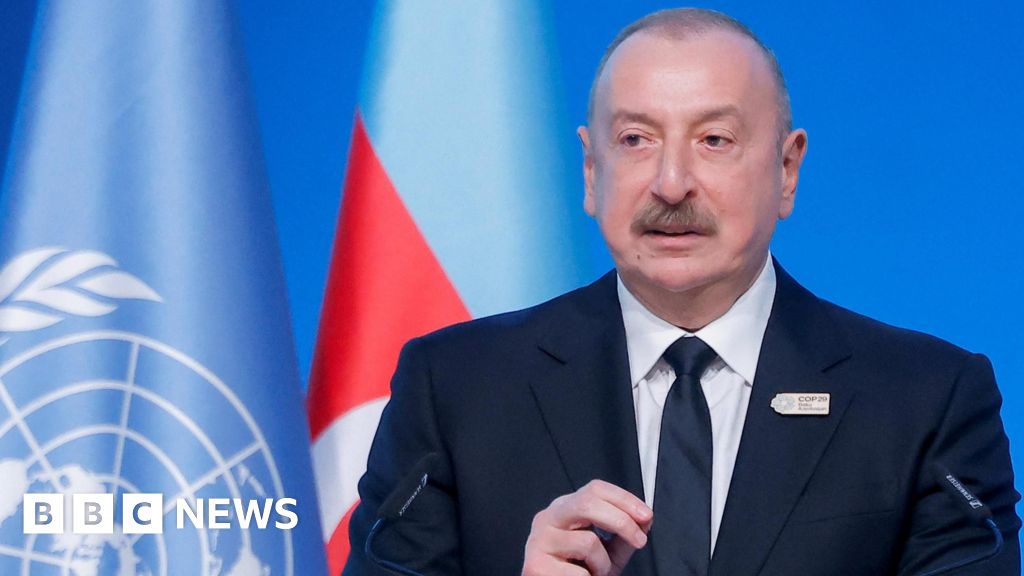
The appointment of an oil executive to spearhead COP29 has ignited a firestorm of debate, revealing an intricate tableau of political maneuvering, economic imperatives, and environmental predicaments. This decision, while seemingly pragmatic for a country like Azerbaijan—intensely dependent on fossil fuels—exposes a disconcerting chasm between the perceived urgency of climate action and the entrenched interests of fossil fuel magnates.
At the heart of this controversy lies the paradox of leadership during a global summit purportedly dedicated to combating climate change. The choice of an oil executive as the leading figure of a climate conference, particularly in a region rich in hydrocarbons, seems anathema to the very ethos of sustainability and environmental stewardship that such gatherings are meant to promote. This contradiction raises pertinent questions: What are the motivations behind Azerbaijan’s choice? How does this reflect broader trends within the global climate discourse? And perhaps most poignantly, does this suggest an inherent stagnation in the global response to climate change?
Azerbaijan has cultivated a reputation for leveraging its geological wealth to position itself as a pivotal player in the energy market. Yet the appointment of a figure steeped in oil—a sector synonymous with environmental degradation and greenhouse gas emissions—indicates a disconcerting willingness to prioritize economic gain over environmental responsibility. The implications of this are multifaceted. On one hand, the decision signals to the world that Azerbaijan remains steadfastly committed to its oil and gas industries, an acknowledgment that might resonate with certain economic sectors, yet contrasts sharply with the urgent calls for radical climate policy transformation.
Moreover, this choice embodies a broader critique of the fossil fuel industry’s pervasive influence over climate negotiations. The recurring theme at climate summits has been the undeniable tension between the fossil fuel interests and the pressing necessity for a transition to renewable energy sources. Appointing an oil executive arguably reinforces the perception that such international forums are arenas for dialogue rather than catalysts for actionable change.
Delving deeper, one must grapple with the implications of an oil-dominated leadership on the substantive agenda of COP29. Historically, the trajectory of climate agreements has been marred by the strategic pursuits of wealthy nations and powerful corporate interests; a scenario where fossil fuel barons preside over critical discussions feels akin to appointing the fox as the guardian of the henhouse. Individuals enmeshed in the oil sector may exhibit an implicit bias towards preserving the status quo, consequently hindering the exploration of innovative, transformative ideas poised to address climate change effectively.
Critics argue that this appointment reinforces a narrative of inertia—an unsettling notion that as the planet teeters on the brink of catastrophic climate fallout, leading representatives of fossil fuel interests are given platforms to negotiate the terms of our collective survival. This situation may lead to prioritizing energy security and economic stability over the more challenging conversations regarding curtailing carbon emissions and committing to ambitious climate targets.
The selection also illuminates the political pragmatism that often accompanies climate negotiations. Governments may seek to assuage domestic economic fears, especially in countries whose financial frameworks remain tethered to fossil fuel revenues. Although this reflects an understandable reticence to alienate powerful economic lobbies, it also reveals a cynical sidestepping of responsibility that the global community cannot afford. Such compromises raise questions about the transparency of negotiations and the enforceability of any agreements reached under such flawed leadership.
In parallel, this situation compels us to confront the notion of cognitive dissonance that pervades much of climate advocacy. Many activists emphasize the need for bold and radical solutions to reverse the damages wrought by climate change. However, the very structures that govern these dialogues often incorporate individuals who have reaped benefits from exploitative industries. This contradiction fosters an environment where meaningful discourse is diluted, making substantive action increasingly elusive.
Furthermore, the appointment’s timing offers a unique lens through which to examine a burgeoning global dissent against fossil fuel dependency. Public consciousness regarding environmental issues is growing. Movements advocating for a Just Transition—a framework for moving away from fossil fuels while ensuring equity for impacted communities—are gaining prominence. By appointing an individual deeply rooted in the oil sector, Azerbaijan’s government may inadvertently position itself against this shifting tide of public opinion, igniting further discontent among climate advocates.
Moreover, the choice elicits a more profound contemplation regarding identity and representation at international climate conferences. As nations grapple with their energy policies, who truly benefits from these choices? The voices of marginalized communities, often disproportionately affected by climate change and fossil fuel extraction, are frequently relegated to the periphery. The dominance of oil interests in leadership roles at climate summits may signal an ongoing disregard for these crucial perspectives, further entrenching existing inequalities.
In conclusion, the appointment of an oil executive to lead COP29 calls for scrutinizing the motivations underpinning this decision and understanding the larger implications surrounding global climate dialogue. This pivotal moment in climate negotiations prompts an urgent need for introspection within both governmental and civil society domains. Ultimately, the challenge lies in transcending the traditional power dynamics that govern these discussions, fostering a more inclusive and robust narrative capable of engendering transformative change. As the world collectively grapples with the climatic perils ahead, will we continue to allow the fossil fuel industry to cast long shadows over our future, or will we seize this moment to advocate fervently for a narrative that champions sustainability, equity, and genuine progress?







Leave a Comment