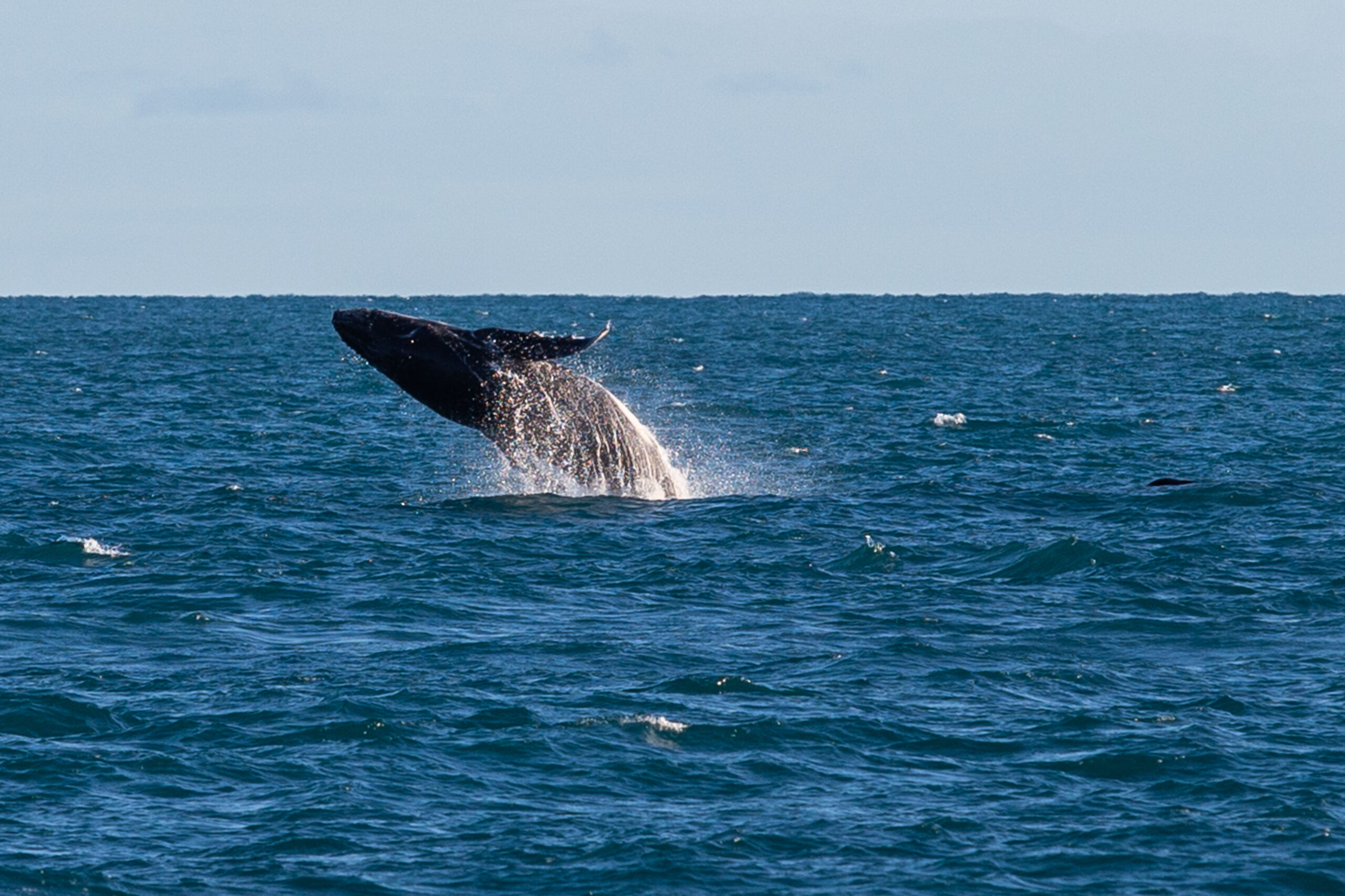
In a world increasingly marked by the specter of climate change and ecological degradation, Australia has taken a bold and commendable step towards preserving the intricate tapestry of marine life that flourishes beneath its azure waves. The recent expansion of marine protected areas (MPAs) symbolizes a resounding commitment to safeguarding ocean biodiversity, a complex and vibrant ecosystem that plays a pivotal role in maintaining the health of our planet. As we examine this significant initiative, it becomes clear that Australia’s expansive oceans are akin to a delicate web, intricately woven with threads of life, culture, and resilience.
Australia’s marine environments, encompassing a staggering 10,000 kilometers of coastline and an array of habitats ranging from coral reefs to deep-sea environments, are undeniably among the most unique in the world. This vast expanse, often referred to as the “blue heart” of the nation, pulsates with an unparalleled biodiversity, home to an estimated 29,000 species. Yet, like a prized painting, this masterpiece requires careful stewardship to prevent the colors from fading. The recent enhancement of MPAs offers a canvas upon which the beauty and richness of marine life can continue to flourish.
The rationale behind expanding these protected areas is as multifaceted as the ecosystems they seek to preserve. Marine protected areas function as sanctuaries, where habitats are shielded from the relentless pressures of overfishing, pollution, and habitat destruction. As marine biologists articulate, these zones facilitate not only the recovery of depleted fish populations but also the regeneration of entire marine ecosystems. In the mosaic of life beneath the waves, each species plays a critical role; the decline of one can unravel the delicate balance that sustains them all.
Furthermore, the significance of MPAs extends beyond ecological concerns. By safeguarding barrens of seabed and preserving rich coral reefs, communities that rely on these resources for their livelihoods benefit immensely. Fishermen report higher yields in adjacent non-protected areas, akin to a well-tended garden that bears fruit when given time to rejuvenate. This synergy underscores the interdependence between ecological health and economic viability. Expanding MPAs is thus not merely an environmental victory; it is an investment in sustainable futures.
Despite the overwhelmingly positive implications of this initiative, challenges loom like storm clouds on the horizon. The expansion of marine reserves has inevitably ignited a debate particularly among stakeholders. Fishermen, commercial enterprises, and local communities express concerns about the implications for their livelihoods. Critics sometimes dismiss conservation efforts as adversarial, but this is a simplistic view. The narrative is more complex; it requires dialogue and collaboration. Just as a ship weathering a fierce storm requires the unified efforts of its crew, resolving stakeholder issues necessitates that all voices be heard, and innovative solutions pursued.
Australia’s initiative aligns with global efforts to combat biodiversity loss, as nations around the world grapple with the encroachment of human activity on natural spaces. The United Nations advocates for the protection of 30% of the planet’s oceans by 2030. By expanding MPAs, Australia places itself not merely as a national role model but as a bastion of hope on an international stage where the urgency to act has never been greater. Marine ecosystems, we must remember, transcend geopolitical borders. The movement for marine conservation is a collective effort, an intricate dance that requires cooperation on a grand scale, engaging both local and global citizens.
The essence of this movement is encapsulated in the idea of stewardship—a responsibility unassumed by chance but undertaken with purpose. The expansion of marine protected areas can be likened to planting seeds in a garden envisaged for the next generation; it is not merely about the present but about nurturing what will emerge in the future. The resplendent marine environments that characterize Australia hold the potential to thrive, to sustain life beyond human comprehension.
As the world watches Australia’s courageous stride toward bolstering marine conservation, the time is ripe to reflect on the profound importance of these actions. The ocean, teeming with life and mystery, begs for our attention. Each fish, each coral structure, is a testament to nature’s masterful ingenuity. As stewards of this planet, we are not merely caretakers of our terrestrial habitats but also guardians of the depths that cradle so much life.
We look to the future with hope, buoyed by the realization that when countries invest in their natural resources, they are, in essence, investing in humanity’s future. The expansion of marine protected areas in Australia may well serve as a lodestar, guiding other nations towards similar endeavors. Perhaps, in the face of adversity, we can summon the resolve to unite in purpose under a common canopy of water, dedicated to preserving the extraordinary, diverse, and irreplaceable treasures that lie beneath the surface of the deep blue sea.
Indeed, the journey toward safeguarding our oceans is fraught with challenges, yet with every commitment made, every protected area established, we step further into a future where the brilliant symphony of life can carry on, thriving for generations to come. Just as ancient mariners relied on the stars to guide their journeys across uncharted waters, we too must look toward a constellation of conservation, charting a course that embodies hope and resilience for the oceans we are tasked to protect.








Leave a Comment