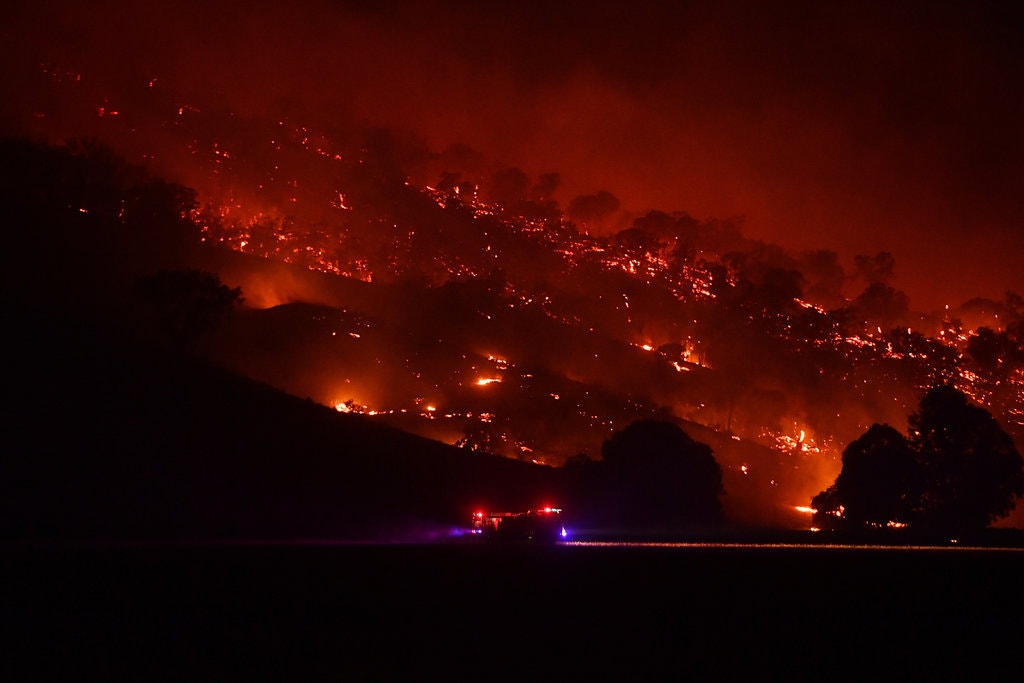
The Australian bushfires have become emblematic of the escalating crises wrought by climate change, serving as a stark reminder of the intricate relationship between human activity and ecological devastation. These devastating events are not merely natural disasters; they are harbingers of a new reality, where the boundaries of climate and wildland interactions blur ominously. The purpose of this discussion is to unravel the intricate tapestry of causes and consequences that tie climate change to the ferocity and frequency of bushfires in Australia.
To understand the gravity of the situation, one must first delve into the mechanics of climate change itself. In essence, climate change refers to long-term alterations in temperature, precipitation, wind patterns, and other elements of the earth’s climate system. As human activities—predominantly fossil fuel combustion and deforestation—release greenhouse gases into the atmosphere, they intensify the greenhouse effect, leading to a warmer planet. Australia, characterized by its unique biodiversity and extensive ecosystems, is particularly susceptible to the ramifications of this warming trend.
Statistics paint a grim picture. Over the past few decades, Australia has been subjected to rising average temperatures which have increased by approximately 1.4 degrees Celsius since 1910. This seemingly modest uptick translates into dire consequences for the environment, precipitating prolonged droughts and accentuating the flammability of its bushlands. The relationship between climate warming and bushfire incidence is not merely correlative; it is causative, as hotter conditions create an ideal breeding ground for the ignition and spread of wildfires.
In exploring the impact of climate change on Australia’s bushfire crises, it is essential to consider the role of vegetation. The eucalypt forests, iconic of the Australian landscape, possess a unique biology. They are highly adapted to fire; however, increased temperatures and erratic rainfall patterns foster the growth of denser vegetation, which, when ignited, exacerbates fire intensity. A vicious cycle ensues—climate change incites bushfires, which in turn promote further carbon emissions, thereby hampering atmospheric recovery.
Moreover, it is crucial to contemplate the seasonal severity of these bushfires. Australia exhibits pronounced seasonal climates, with its bushfire season not merely confined to the summer months. In recent years, bushfire activity has increasingly encroached upon traditionally moderate months, leading to declarations of “fire years” rather than mere “fire seasons.” These changes in patterns highlight an ominous trend: as climates become less predictable, the risk of wildfires escalates dramatically.
The 2019-2020 bushfire season, often referred to as “Black Summer,” encapsulates the harrowing reality of this crisis. Over 18 million hectares were consumed, with staggering loss of wildlife, including over three billion animals perishing or displaced. Entire ecosystems, painstakingly developed over millennia, experienced irrevocable damage as specific habitats were rendered inhospitable. The catastrophic air quality that ensued not only imperiled wildlife but posed considerable health risks to the human population as well. Smoke from the fires permeated urban areas, prompting public health emergencies across the continent.
Yet, the implications of these bushfires transcend immediate environmental damage. Economically, the impact is staggering. The cost of remediation, recovery, and loss of livelihood for many rural communities has surged in response to the dual challenges of climate change and bushfire devastation. Insurance claims have skyrocketed, and the tourism industry, vital to many Australian livelihoods, has seen a decline as visitors become hesitant to explore fire-stricken regions. This interconnectedness of environment and economy raises profound questions about resilience and adaptation strategies moving forward.
It is imperative to recognize that while the current trajectory appears bleak, it also presents a pivotal opportunity for transformative change. Australia stands at a crossroads, wherein policy decisions made today will sculpt the nation’s climate future. A commitment to renewable energy sources, investment in fireproofing infrastructure, and fostering community resilience can drastically alter this trajectory. Adoption of sustainable land management practices and reforestation not only mitigates the risk of future wildfires but also plays a crucial role in sequestering atmospheric carbon.
Educating the populace about climate change and its implications fosters a collective responsibility for stewardship of the environment. Grassroots movements and local advocacy groups are emerging champions in this effort, inspiring individuals to engage in meaningful environmental action. Such initiatives underline the premise that lasting change is borne from community engagement and informed citizenry. In doing so, Australia can lead the way in global efforts combating climate change.
Additionally, the role of international collaboration cannot be understated. Climate change is transcending national boundaries; thus, collective action is essential. Global forums for knowledge sharing, cooperative technology development for wildfire response, and transnational environmental policies could significantly bolster Australia’s efforts and provide essential support in times of crisis.
In conclusion, the Australian bushfires are emblematic of a broader crisis precipitated by climate change. While the devastation is profound, the urgency of action presents an opportunity for transformation at multiple levels. The promise of a shift in perspective on climate-related issues hinges upon collective recognition of the problem and a shared commitment to actionable solutions. As individuals and as a society, embracing proactive strategies will shape the narrative of Australia’s relationship with its environment, fostering resilience in the face of inevitable change. To view this crisis as a catalyst for innovation and action could very well be the key to navigating the future. The resilience of Australia’s ecosystems and communities depends on it.








Leave a Comment