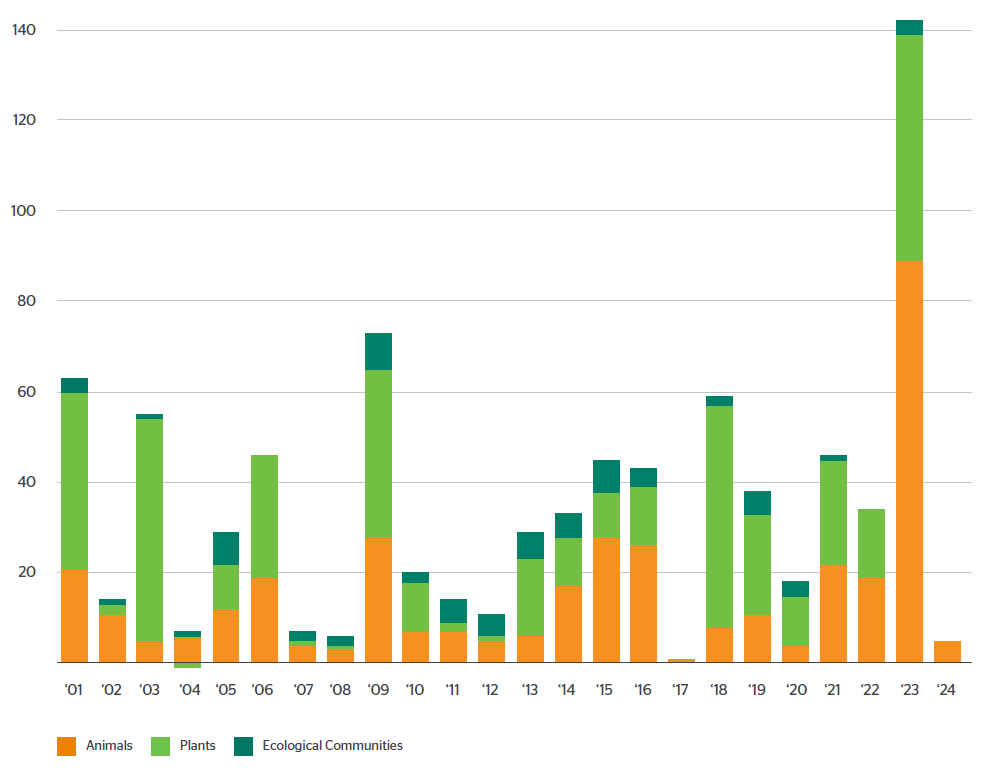
In the heart of Australia lies a vivid tapestry of biodiversity, woven together by threads of life that span from the smallest insect to the largest mammal. Yet, this intricate fabric is fraying astonishingly fast. In 2025, Australia added a record number of species to its threatened list, sending ripples through both the ecological and human landscapes. This surge serves as a clarion call for the preservation of our natural heritage that dances precariously on the brink of oblivion.
The enormity of this revelation cannot be overstated. The threatened species list is not just a bureaucratic inventory; it represents a grim testament to the toll that human intervention has exacted upon nature. Like an artist painting on a canvas, each species plays a pivotal role, each brushstroke contributing to the overall masterpiece. With every new addition to this list, we doom yet another stroke of color, dimming the vibrant tableau that nature has so painstakingly crafted.
This year marked a formidable change in the tide. Biologists, researchers, and environmentalists alike bore witness to a stark reality—floral and faunal entities that once thrived in abundance are now perilously close to vanishing. Among the new entries are iconic creatures such as the eastern curlew, whose long migratory journeys symbolize the interconnectedness of ecosystems across continents. As the curlew flits between coastal marshes and estuaries, it serves as an ambassador for the fragility of our environment. Its decline is not merely a loss for Australia; it reverberates globally, emblematizing the shared destiny of nature.
But what catalyzed this unprecedented surge in threatened species? Several factors intertwine, forming a web of causation steeped in ecological and anthropogenic pressures. Climate change, with its insidious grasp, reveals itself as a relentless adversary. Rising temperatures, unpredictable weather patterns, and increased frequency of droughts are just a few of the manifestations of this looming crisis. Imagine a vast chorus of species, each singing its unique melody; with the relentless changes to their habitat, many are left improvising in dissonance, often leading them to silence—a silence that echoes with their absence.
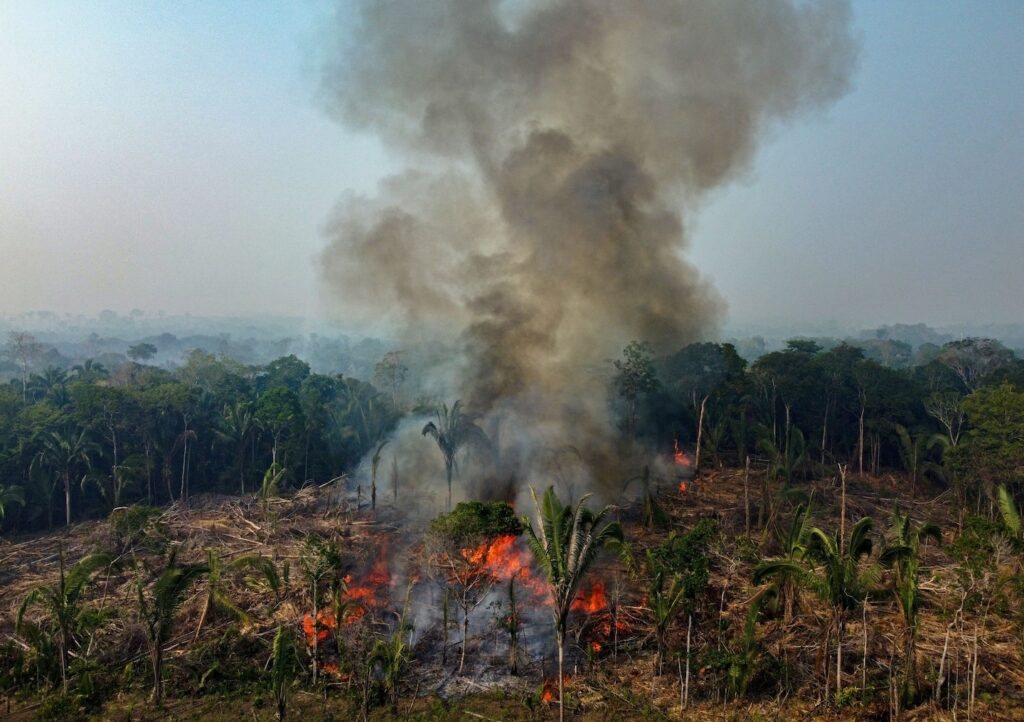
Moreover, habitat loss looms as an oppressive specter. Urbanization, agricultural expansion, and mining activities carve clearings into landscapes that were once rich with life. As modern civilization encroaches upon these realms, species like the yellow-bellied glider, once a ubiquitous resident of eucalypt forests, find their homes truncated and fragmented. These animals embody resilience, yet their endurance hangs in the balance as the sanctity of their habitats evaporates. The wild expanses that once felt immutable are now scattered remnants, akin to puzzle pieces that no longer fit in their original picture.
In addition to these overarching threats, invasive species lurk like ghostly shadows, further complicating the ecological tapestry. These non-native plants and animals often outcompete local species for resources, effectively sidelining them in their own domains. Imagine a symphony where one overtaking instrument drowns out all others—this is the reality faced by our native flora and fauna. The competition is fierce, unforgiving, and often leads to extinction for those unable to adapt to the changing conditions.
Yet, amid this daunting landscape, glimmers of hope persist. The collective awareness of the dire situation has ignited a fervor for conservation efforts that have garnered significant support. Grassroots movements and community-led initiatives are emerging like wildflowers breaking through barren soil. Local organizations are convening passionate volunteers, conducting surveys, and championing habitat restoration. Each effort acts as a salve, addressing the wounds inflicted by human activity and climate-induced turmoil.
Governments, too, find themselves at a crossroads. The pressure to implement meaningful policies grows, as constituents demand accountability and action. Initiatives such as the reinvigoration of protected areas and the establishment of wildlife corridors offer refuge to beleaguered species. These havens hold the potential to alleviate some of the stressors currently besieging the inhabitants of the Australian wilderness, providing them safe havens to flourish once again.
The added species to the threatened list are not mere statistics; they embody stories. They encapsulate the resilience of life and the interconnectedness of all beings. Each entry nudges us closer to an awakening, illuminating the urgency of returning to harmony with the natural world. As custodians of this planet, we carry the burden of responsibility. The choices made today will echo in the annals of future generations.
In the face of adversity, the spirit of hope endures. Collectively, Australia finds itself at a crossroads—one path leading toward bleak extinction, the other a commitment to resilient coexistence with nature. The donations of time, resources, and innovations can regenerate the damage wrought by an exploitative past. However, that requires a profound shift in mindset, an epiphany that prioritizes stewardship over exploitation.
As we traverse through this pivotal moment, let us not be mere spectators to the unfolding crisis. Instead, let us become active participants in preserving the irreplaceable sanctuaries of our land. The addition of a record number of species to the threatened list is not just a somber notification; it is our collective wake-up call. The future will be carved by the choices we make today. With every choice to protect, restore, and conserve, we can each become champions for the wild symphony playing just beyond our door.






Leave a Comment