Wind energy has emerged as a pivotal player in the quest for sustainable, renewable energy sources. Yet, as enthusiasm grows for this alternative, so too do inquiries regarding its impacts. Are wind turbines a bad energy source? Let’s navigate through the labyrinth of facts and fiction surrounding wind turbines.
First, let’s dissect the financial framework. Initiatives to establish wind farms often commend the lower operational expenses compared to fossil fuels. However, the initial capital investment required for infrastructure, including materials and installation, is substantial. Critics often point to the burden such expenditures might impose on local economies and taxpayers. Could the lofty promise of cheap energy be undermined by hidden costs?
Transitioning to their environmental footprint, one cannot ignore the specter of land use. Wind farms necessitate significant swathes of land, leading to reduced natural habitats. This phenomenon raises an essential question: is the sacrifice of wildlife habitats worth the benefit of cleaner energy? Proponents assert that the environmental benefits outweigh the negatives, while skeptics argue about the irreversible consequences of displacing ecosystems. In essence, there’s a complex equation at play between conservation and energy production.
Moreover, the aesthetic impact of wind turbines on landscapes cannot be overlooked. Detractors often cite their imposing structures as visual pollution, disrupting the natural panoramas that some regions proudly display. The clash over visual aesthetics, however, sparks a more profound discussion regarding urban development versus natural preservation. How do we define beauty in terms of our ecological environment? Is societal advancement worth the potential degradation of our visual landscapes?
Sound pollution serves as another contentious point in the wind turbine debate. The whooshing sound produced by blades slicing through the air can affect local communities. Sleep disturbances have been recorded, prompting numerous complaints from individuals residing in proximity to wind farms. But, is it fair to regard this noise as a dire concern, or simply a minor inconvenience in the grand scheme of energy production?
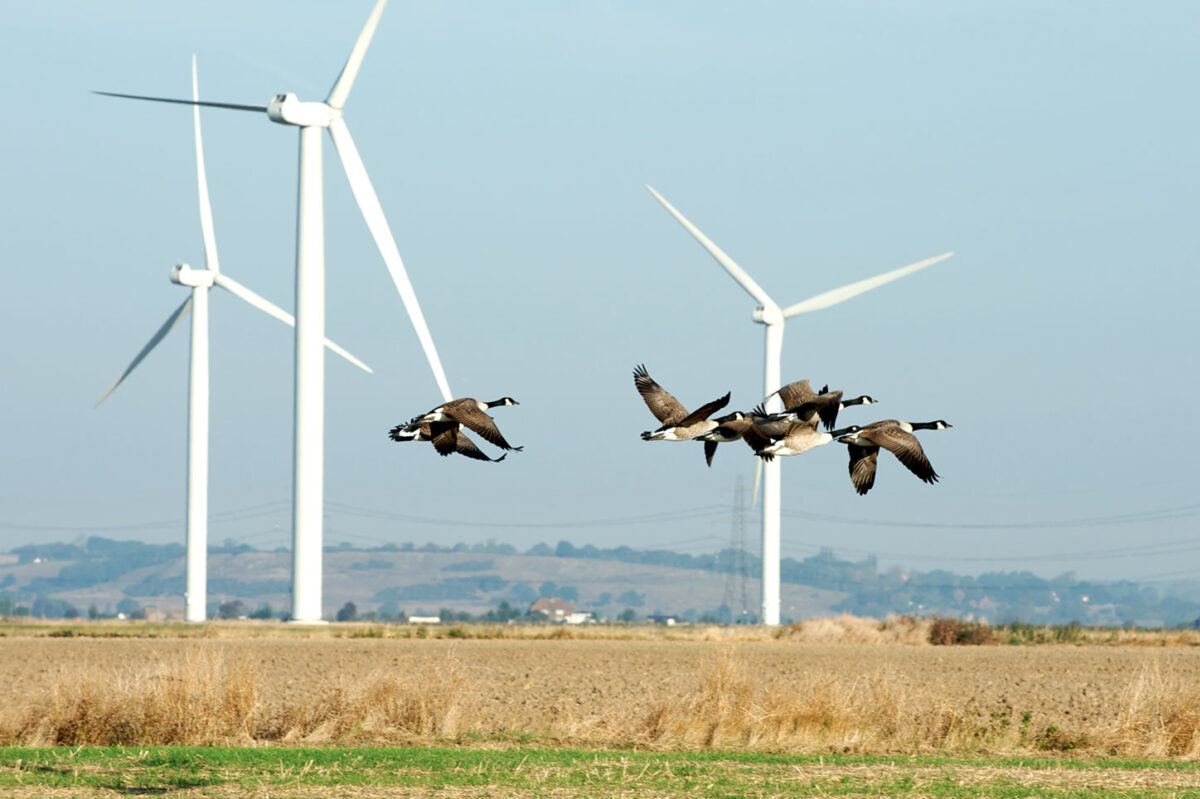
Then, there’s the conversation about wildlife, particularly avian populations, frequently touted as one of the most alarming side effects of wind energy. Bird fatalities, particularly from collisions with turbine blades, have been a focal point for opponents. However, the statistics present a more nuanced image; wind energy is responsible for a fraction of bird deaths compared to pets, buildings, and power lines. Does this create a moral paradox? When measured against the losses in fossil fuel energy production, which inflicts even graver environmental damage, how do we equate these avian fatalities?
Wind energy’s reliability—or at times, its fickleness—invokes yet another layer of complexity. The intermittency of wind raises crucial questions surrounding energy storage and grid reliability. Wind doesn’t blow consistently everywhere, and throttling will be necessary to balance supply and demand. Investing in robust energy storage technologies is imperative to mitigate this shortcoming. Could investing in wind energy exacerbate existing inefficiencies instead of resolving them?
Furthermore, let’s ponder the notion of social acceptance. Communities often oppose wind farms due to perceived negative implications on their quality of life. This aversion brings forth an interesting hypothesis: how can stakeholders foster a more harmonious relationship between communities and wind energy projects? Engaging locals in the planning and operational phases of wind energy infrastructure may alleviate skepticism and promote localized benefits. Does inclusivity pave the way for more successful renewable energy projects?
Despite the critical questions posed, the benefits of wind energy remain compelling. The reduction of greenhouse gas emissions is a quantifiable advantage of wind farms. They offer a key player in mitigating climate change. While the discussions surrounding their impact are essential, the urgent need for renewable energy cannot be ignored. In contexts of severe environmental consequences from fossil fuels, what other options do we have? The weight of catastrophic climate events urges us towards cleaner, renewable sources, even if they come with caveats.
The adversaries of wind energy often overlook the remarkable progress made in technology and design improvements. Modern turbines are engineered to be more efficient and less harmful to wildlife, promising a future where the early misconceptions could be rendered obsolete. Continued innovation in turbine technology could mitigate risks associated with bird fatalities, noise pollution, and land use concerns. Will we embrace this potential for improvement, or remain mired in outdated arguments?
In summation, the conversation around whether wind turbines are a bad energy source necessitates a balanced examination of facts versus fiction. Acknowledging and addressing the complexities within the discourse is essential. While the challenges are genuine and demand our attention, the potential for innovation and the urgent need to combat climate change cannot be dismissed. Are wind turbines flawed? Perhaps. Are they the necessary stepping stone toward a sustainable future? More than likely. It’s evident that, while the road may be bumpy, the waypoint towards renewable energy ought to remain illuminated.






Leave a Comment