
Hong Kong, a bustling metropolis, is not only renowned for its skyline and vibrant culture but also for its unique and diverse ecosystems. Nestled within the urban sprawl are various habitats, each teeming with a multitude of species. Yet, among this rich biological tapestry, some species find themselves teetering on the brink of extinction, raising a pressing question: are endangered species in Hong Kong genuinely being safeguarded? This inquiry extends beyond mere statistics—it delves into the heart of conservation efforts, public awareness, and the intricate balance between development and preservation.
The Status of Endangered Species in Hong Kong
To comprehend the magnitude of the crisis facing endangered species in Hong Kong, one must first examine the figures. According to recent assessments, dozens of species endemic to this region are classified as endangered or critically endangered. This includes iconic fauna such as the Chinese white dolphin and the Hong Kong gibbon, whose populations are dwindling due to habitat loss, pollution, and anthropogenic disturbances. Each species plays a crucial role in the ecological framework, yet their numbers continue to decline alarmingly.
For instance, the Chinese white dolphin, once a common sight in Hong Kong waters, is now seldom seen. Overfishing and the increasing encroachment of marine infrastructure have degraded its natural habitat. Meanwhile, the Hong Kong gibbon, one of the world’s most endangered primates, faces destruction of its habitat due to urban expansion and deforestation. With such dramatic declines, the question arises: are current conservation measures adequate?
The Role of Law and Policy
The legal frameworks established to protect wildlife in Hong Kong are robust on paper. The Wildlife Protection Ordinance provides a foundation for the conservation of endangered species, imposing restrictions on hunting and trade. Moreover, the government has initiated several conservation programs aimed at preserving critical habitats. However, efficacy is often hindered by enforcement challenges and bureaucratic inertia.
Compliance with environmental laws requires vigilance and resources, yet the voluminous demands of urban governance frequently overshadow these necessary endeavors. Conservationists argue that while laws exist, the will to enforce them consistently is lacking. For instance, unauthorized land reclamation continues despite a plethora of regulations designed to shield vulnerable marine ecosystems.
Challenges in Conservation Efforts
Despite a framework intended to protect endangered species, numerous challenges complicate these efforts. One of the foremost hurdles is habitat destruction—a direct consequence of urban development. Land reclamation for infrastructure and housing projects inexorably encroaches upon the habitats of numerous species. This not only disrupts local biodiversity but also often leads to conflicts between conservationists and developers aiming for economic growth.
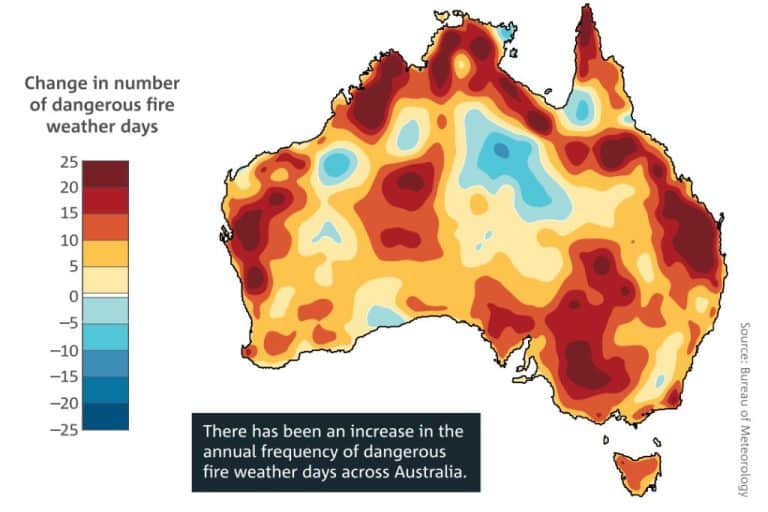
Additionally, climate change exacerbates these challenges. Rising sea levels threaten coastal habitats, while shifting weather patterns affect food availability for various species. The intricacies of ecological interdependencies mean that the loss of one species can have cascading effects on others, demonstrating the complexity of conservation in a rapidly changing environment.
Public Awareness and Participation
The fight for wildlife preservation is not solely a governmental responsibility; public awareness and engagement are paramount. Education initiatives aimed at fostering environmental stewardship can galvanize community action. Campaigns that educate residents about local wildlife and the threats they face can foster a sense of responsibility toward these species. Grassroots movements and local organizations actively advocate for sustainable practices, highlighting the intrinsic connection between local ecosystems and the community’s well-being.
Moreover, eco-tourism has emerged as a potential ally in conservation. Promoting wildlife observation can engender appreciation and respect for biodiversity, providing a financial incentive to protect habitats rather than exploit them. Yet, this balance must be managed delicately to avoid the pitfalls of overt commercialization that can lead to further ecological degradation.
International Cooperation and Global Dynamics
Despite its local challenges, the conservation landscape in Hong Kong is also influenced by broader international dynamics. Many endangered species are part of global biological networks, making international treaties and cooperation essential. Agreements such as the Convention on International Trade in Endangered Species (CITES) highlight the importance of transnational efforts in combating wildlife trafficking and illegal poaching.
However, success in these realms requires collaboration between countries, sharing resources and knowledge. Hong Kong’s unique position as a gateway between East and West presents opportunities for fostering international partnerships in conservation. Building bridges with neighboring regions could facilitate more comprehensive strategies for habitat protection and species recovery.
The Way Forward
In concluding this discourse, the question remains: are endangered species in Hong Kong truly being protected? The answer is multifaceted. While there is a semblance of legal protections and conservation initiatives, systemic issues hinder their effectiveness. Culminating challenges from urbanization, lack of public engagement, and climate change converge to create a precarious situation for many species.
To forge a successful path forward, a holistic approach is vital—one that marries legal enforcement with community involvement and international collaboration. Engaging the public, enhancing legislative frameworks, and fostering sustainable development models will be essential in ensuring that Hong Kong’s endangered species not only survive but thrive in their natural habitats. Protecting these species is not merely an environmental issue; it is fundamental to maintaining the integrity of Hong Kong’s rich biodiversity for future generations.







Leave a Comment