
In an era defined by escalating climate crises, climate activism has emerged as a formidable force, sparking passionate debates about the adequacy and methods of these efforts. As the world grapples with the consequences of anthropogenic climate change, the question looms large: Are climate activists going too far—or not far enough? This discourse challenges our perceptions of activism, exploring various dimensions of engagement, effectiveness, and societal reception.
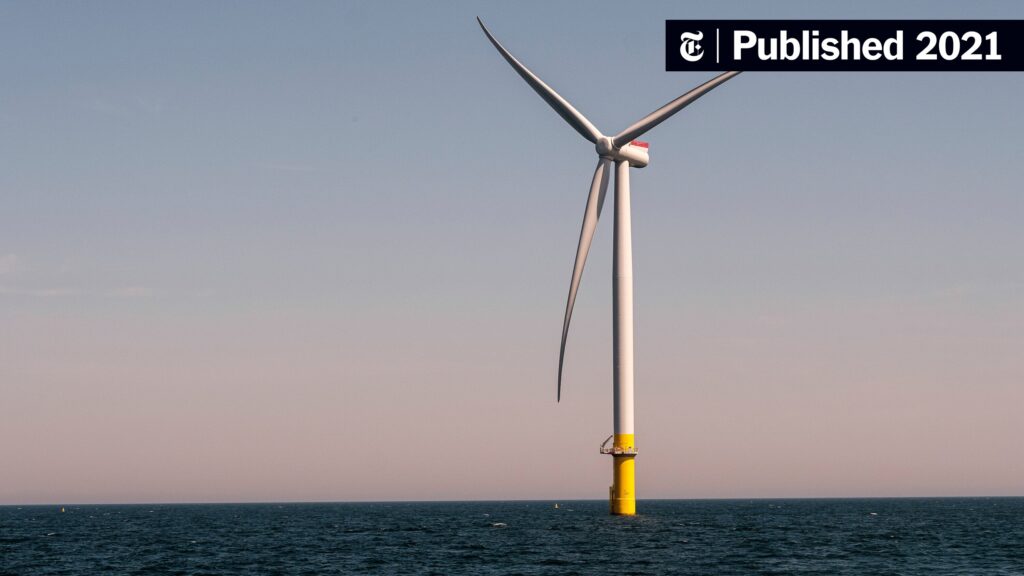
The diverse spectrum of climate activism encompasses a plethora of approaches, from peaceful protests to confrontational acts of civil disobedience. At one end of this spectrum, we find grassroots organizations championing eco-friendly policies through education and community engagement. These entities often focus on creating sustainable practices at local levels, advocating for renewable energy installations, urban gardening initiatives, and zero-waste movements. The essence of their mission is grounded in promoting environmental stewardship among individuals and communities. Yet, as noble as these endeavors are, critics argue they lack the audacity required to instigate systemic change at a governmental or corporate level.
On the opposite end, radical groups adopt provocative tactics designed to jolt the public and authorities into action. These actions are often characterized by bold demonstrations, sit-ins, and, at times, property vandalism. Their goal is to create visibility for urgent environmental issues, even if it means alienating potential allies. Such high-stakes activism raises ethical questions about the morality of their methods. Are these activists heroes battling against an unyielding system, or misguided individuals whose extreme actions inadvertently tarnish the climate cause? Such tensions underscore the complexity of compliance versus defiance in activism.
Among the contentious issues within activism is the role of social media. In today’s digital landscape, platforms like Twitter and Instagram serve as double-edged swords. They provide activists with unprecedented reach, enabling them to mobilize followers and amplify urgent messages in real time. Yet, the commodification of activism can dilute its potency, leading to “slacktivism”—wherein individuals engage superficially, sharing posts without substantive action. This phenomenon has initiated debate about the effectiveness of online campaigns. While hashtags can spark awareness, do they translate to real-world change, or simply provide a veneer of activism?
Furthermore, the portrayal of activists in the media adds another layer of complexity. What narratives are disseminated, and who gets to tell them? In many cases, the mainstream media focuses more on the sensational aspects of protests rather than the underlying motives and solutions. This can result in misrepresentation, framing activists as radical antagonists rather than passionate individuals fighting for a just cause. This media lens can skew public perception, potentially dissuading broad support for movements that seek to protect the environment.
Meanwhile, climate activists must also confront the societal backlash that often accompanies their initiatives. Public opinion on climate action can be divided, influenced by political ideologies, economic interests, and personal beliefs. For those who reject the urgency of climate change, radical activism may seem excessive and unwarranted. The psychological response to campaigns can vary dramatically; some may feel inspired to act, while others may experience apathy or hostility towards activists. Navigating this complex landscape is crucial for fostering coalitions that include a broader demographic in the fight against climate change.
Many proponents of climate action argue that we are, in fact, not doing enough. As the Intergovernmental Panel on Climate Change continues to release reports underscoring the urgency of the situation, there is a growing consensus that current measures are woefully inadequate. Activist groups often cite the stark disconnect between scientific recommendations and governmental policies. Calls for immediate action, such as a transition to a green economy and a rapid decrease in fossil fuel reliance, underscore the need for aggressive measures that outpace the status quo.
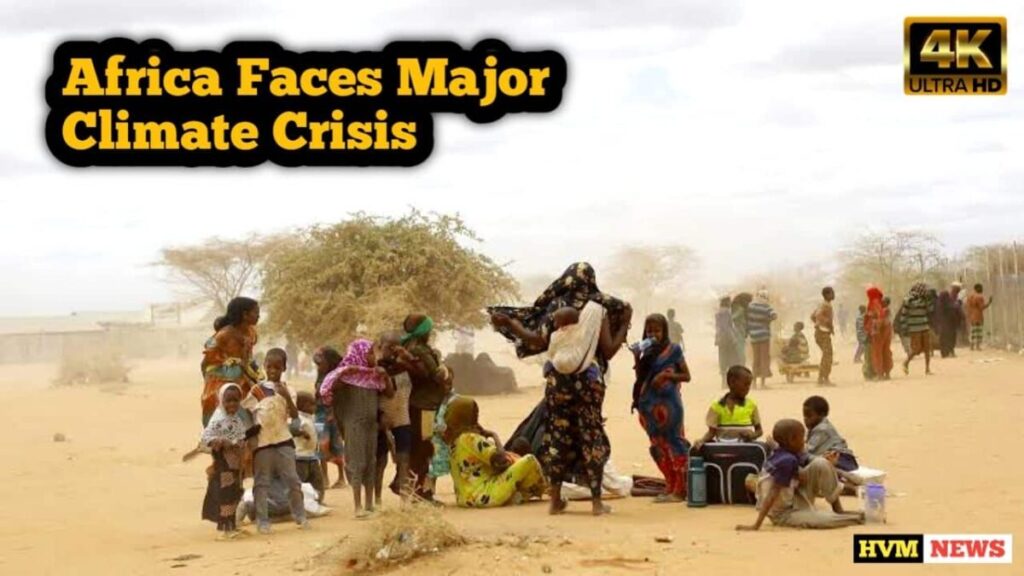
However, the dialogue surrounding activism also extends to intersectionality within the environmental movement. Climate justice advocates emphasize that marginalized communities disproportionately bear the brunt of climate change’s impacts. Therefore, the movement must not only prioritize environmental aims but also social equity. This dimension calls for a more expansive understanding of climate activism that embraces the rights of all people, particularly those whose voices have been historically silenced. The challenge is monumental, yet essential for cultivating a more inclusive movement.
As we reflect on the paths taken and those yet to be traversed, a nuanced understanding of climate activism emerges. Each approach, whether restrained or radical, contributes to the broader narrative of the climate crisis and our collective response. It compels us to ponder our roles as stewards of the Earth and to evaluate the efficacy of our actions. While some argue for bolder measures in light of the urgency, others champion sustained, incremental progress as the most pragmatic path forward.
Ultimately, the question of whether climate activists are going too far or not far enough is less about a definitive answer and more about an ongoing dialogue. We must consider the myriad perspectives within this vital movement, recognize the stakes involved, and engage in open discussions about methodologies and outcomes. Only then can we hope to forge an effective path towards climate resilience, ensuring that our planet and its inhabitants thrive amidst the challenges ahead.








Leave a Comment