
Imagine wandering through the bustling streets of Hong Kong, your senses captivated by the cacophony of urban life. Yet, amidst the towering skyscrapers and neon-lit signs lies a silent crisis—wildlife trafficking, a heinous global enterprise that thrives in the shadows. How might art, particularly augmented reality (AR) mural art, awaken our collective consciousness and galvanize action against this pressing issue?
AR mural art has emerged as a compelling medium for advocacy, seamlessly blending technology with immersive storytelling. In Hong Kong, a city renowned for its dynamic art scene, activists have harnessed this innovative form to raise awareness about the perils of wildlife trafficking. This fusion of art and activism invites observers not merely to look but to engage, raising critical questions about humanity’s relationship with the natural world.
The impetus behind using AR in mural art is twofold. First, it captures attention. Street art, often seen as a form of rebellion, carries a potency that resonates with the public. By integrating augmented reality, artists can transform static images into dynamic narratives, compelling viewers to confront uncomfortable truths about wildlife exploitation. For instance, a mural depicting a gracefully poised tiger adorned in vibrant colors could morph into a haunting tableau that reveals its fate at the hands of traffickers. Such a visual transition forces observers to grapple with the juxtaposition of beauty and destruction.
However, while AR murals can be intellectually stimulating, they pose a challenge—can viewers truly internalize the messages conveyed, or will they merely appreciate the aesthetics? As participants in the urban milieu, it becomes imperative that we approach these works with both wonder and a critical mindset. Each mural serves as a rallying cry, imploring spectators to transition from passive observers to active participants in combatting wildlife trafficking.
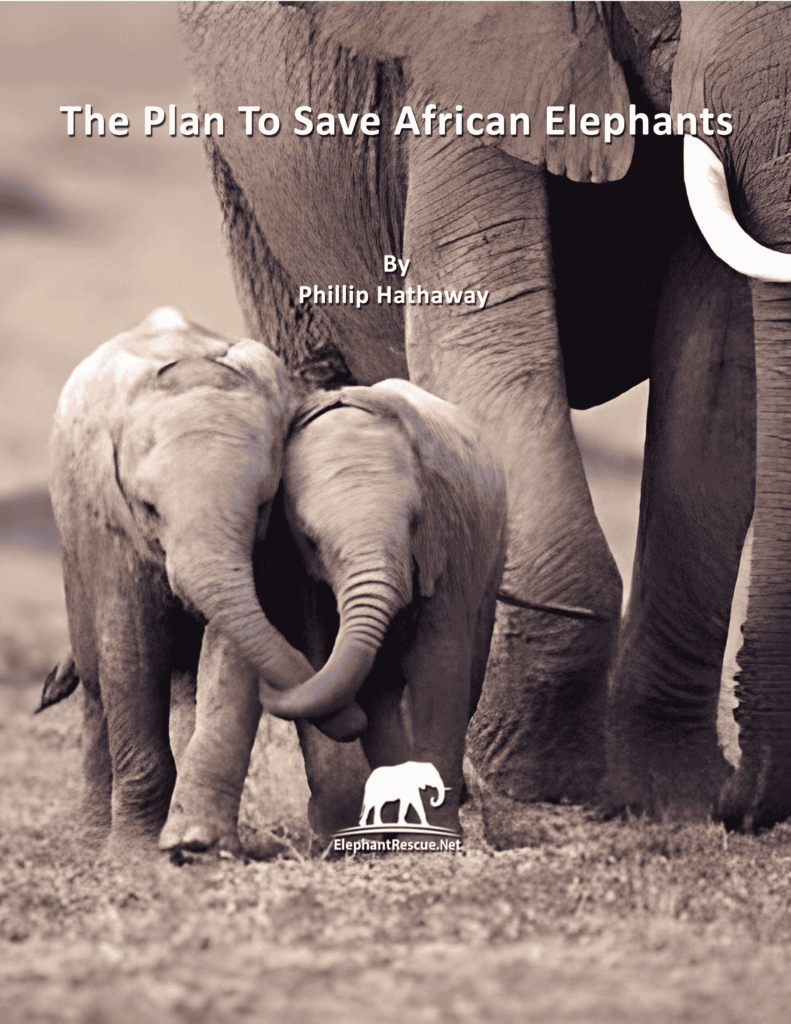
The narrative of wildlife trafficking is multifaceted and often harrowing. It encompasses the illegal trade of animals and their parts, with estimates suggesting that billions of dollars flow through this shadowy economy annually. Species like pangolins, tigers, and elephants face imminent extinction as their scales, bones, and tusks become commodities. This transaction is not a simple exchange; it is a grave moral failing that devalues life itself.
As consumers, our choices wield immense power. Mural art beckons us to reconsider our role in this dire narrative. The spirited intersections of art and technology implicitly challenge us to interrogate our complicity in the systems that sustain wildlife exploitation. Imagine stopping in front of a mural depicting the vibrant baiji dolphin—its beauty juxtaposed with the stark realities of pollution and habitat destruction. Would you remain indifferent, or would the artwork ignite a sense of urgency to protect such endangered species?
Interactive installations accompanying AR murals often depict statistics or testimonials from frontline activists, providing viewers with tangible ways to engage in the cause. One such initiative could involve QR codes embedded within the artwork, linking to organizations dedicated to wildlife protection. This streamlined access to information empowers individuals to broaden their understanding and take actionable steps—be it supporting conservation efforts, participating in local clean-up campaigns, or advocating for stricter regulations against trafficking.
The role of technology cannot be understated. By interlacing augmented reality with street art, artists create a bridge between awareness and action. Imagine this: a child stumbles upon a mural depicting a soaring eagle, which suddenly animates to reveal a powerful narrative of its plight. This moment of realization is not merely a fleeting impression but a potential catalyst for lifelong advocacy. In this manner, AR mural art transcends traditional forms, fostering a profound connection between art and ecological responsibility.
However, one must consider the broader societal implications of utilizing art as a medium for activism. As the trend of urban murals burgeons, there exists the danger of commodification—can the sincerity of the message withstand the risk of dilution through commercialization? As these installations gain popularity, it becomes essential for artists and activists alike to maintain an authentic voice that resonates with the urgency of the message while evading the clutches of exploitative consumption.
Beyond the visuals, the stories encapsulated within each mural offer a compelling framework for dialogue. They compel us to confront difficult truths about our relationship with wildlife. What do we choose to ignore? What questions do we shy away from asking? And perhaps most critically, how do we translate awareness into tangible, meaningful action? These provocations are essential components of the discourse surrounding wildlife conservation.
In sum, the integration of AR mural art into the urban fabric of Hong Kong serves as a clarion call for action against wildlife trafficking. It implores us to observe, to question, and ultimately to act. This innovative art form harnesses the potency of visual storytelling to foster empathy and resistance among communities. As we journey through this vibrant metropolis, let us embrace the challenge: How can we transform the beauty captured in art into a fervent commitment to protecting the wild lives that share our planet?
The conversation has been initiated, but it is up to each of us to keep it alive. Perhaps the next time you encounter an AR mural, take a moment to reflect—not just on its aesthetic allure, but on the pressing narratives it hopes to unveil. Our actions today will sculpt the legacy of tomorrow, transforming the very landscapes we inhabit into sanctuaries rather than sepulchers for our planet’s incredible biodiversity.






Leave a Comment