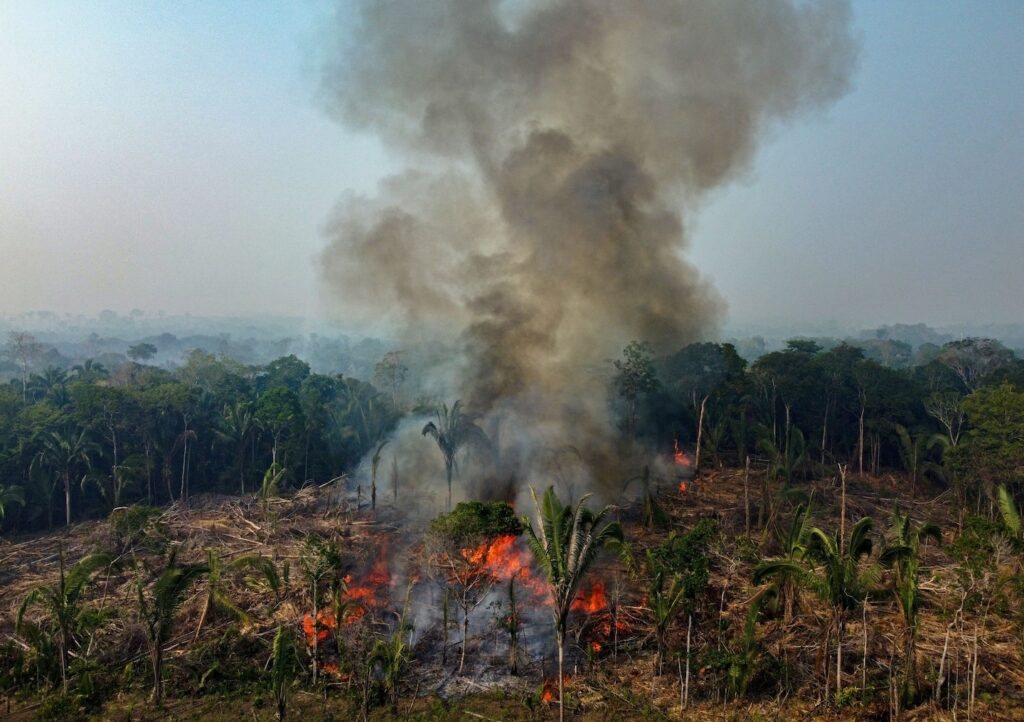
What would it be like to wander through the lush embrace of the Amazon Rainforest, only to discover that some of its most extraordinary inhabitants are on the brink of extinction? The Amazon is often referred to as the “lungs of the Earth,” yet this vast and vibrant ecosystem faces an unforgiving adversary: climate change. Rising temperatures, erratic precipitation, and the relentless advance of deforestation are all contributing to a troubling narrative for numerous species that call this remarkable region home. This article will explore seven endangered species within the Amazon Rainforest that are particularly at risk due to the stark realities of climate change.
The Amazon Rainforest is a sanctuary of biodiversity, housing about 10% of all known species on the planet. However, many of these species are now confronting an existential threat. Altered habitats due to climate change create a complex web of challenges, where the delicate balance of life becomes increasingly precarious. For these endangered species, survival hangs by a thread of dwindling resources and increasing competition.
First, consider the majestic jaguar. This apex predator plays a crucial role in maintaining the ecological equilibrium of the rainforest. Yet, jaguars are increasingly threatened by habitat fragmentation and loss due to climate change and human activities. The vast territories they require for hunting and breeding are eroded, forcing them into closer contact with human populations. As their habitats continue to shrink, the jaguar faces the daunting challenge of finding sufficient prey, leading to a decline in its already dwindling population. Can we afford to lose such a vital link in the Amazon’s intricate ecosystem?
Next on our list is the enigmatic Amazonian manatee, a gentle herbivore gracefully gliding through the waters of the rainforest. These creatures are not only adorable but also play a critical role in maintaining the aquatic vegetation that sustains their habitat. Unfortunately, rising water temperatures and altered rainfall patterns are impacting the manatees’ environment, disrupting their food sources and forcing them to migrate to less favorable areas. As their populations decline, we must ponder: what ramifications will this have on the aquatic ecosystem of the Amazon?
Equally at risk is the Amazonian poison frog, known for its bright coloration and toxic skin. These tiny amphibians are bioindicators of environmental health; their sensitivity to habitat disturbances captures the effects of climate change upon the ecosystem. The gradual increase in temperatures and variability in rainfall put immense stress on their populations. Additionally, as their habitats shrivel, the competition from introduced species intensifies, endangering their existence. Will we heed the warning of these vibrant creatures, or allow their fate to mirror that of countless species already lost?
Among the towering trees of the Amazon, we encounter the critically endangered Spix’s macaw. Once prevalent across Brazil, deforestation has decimated their numbers, pushing them to the brink of extinction. With climate change contributing to habitat loss and altering fruiting patterns of native trees, the chances of recovering this exquisite avian species grow ever slimmer. As these brilliant blue birds vanish from the treetops, what do we lose in the symphony of life they contribute to the rainforest?
However, the plight of the Amazon River dolphin reveals an alternatively heartbreaking story. These intelligent mammals, the largest of the river dolphins, are particularly vulnerable to climate dynamics. Alterations in water temperature and salinity driven by climate change threaten their freshwater habitats, while increased human activity leads to noise pollution and entanglement in fishing nets. Their fate brings forth a haunting question: how many more species must suffer before we acknowledge the rippling consequences of our actions?
Additionally, the Amazon is home to the lesser-known but equally spectacular giant river otter. This social creature thrives in the waterways and plays a significant role in controlling fish populations. Climate-induced habitat modifications have led to dwindling fish numbers, eroding their food supply. Simultaneously, pollution from agriculture and industry further compromises their environment. Are we prepared to accept a future devoid of the playful antics of these extraordinary animals?
Lastly, the iconic rubber tree bears witness to the precarious state of the rainforest. This vital species not only provides the raw material for rubber but serves as a keystone species vital to the forest’s complex ecosystem. Climate change threatens their growth and reproduction rates, challenging the stability of entire habitats that depend on them. If we fail to protect these magnificent trees, can we truly secure the future of the Amazon in its entirety?
As we reflect on these seven endangered species—the jaguar, Amazonian manatee, Amazonian poison frog, Spix’s macaw, Amazon River dolphin, giant river otter, and the rubber tree—the sheer diversity and interconnectivity of this unparalleled ecosystem become glaringly apparent. Climate change is a multifaceted challenge that not only jeopardizes individual species but threatens the intricate relationships and balance within the ecosystem.
In confronting the specter of climate change, we must act decisively. We need to fortify conservation efforts, advocate for sustainable practices, and amplify our voices in the face of degradation and loss. The Amazon Rainforest is not just a lush paradise for wildlife; it is a crucial component of our planet’s health and prosperity. If we remain passive, the consequences will reverberate through time. Now, as stewards of the Earth, are we ready to rally for life before it fades into the silence of extinction?







Leave a Comment