
Urban expansion reshapes landscapes and demands new infrastructure, but achieving sustainability requires integrating ecological principles, technology, and inclusive planning to keep cities within planetary limits.
Quick Answer
Urban expansion is the outward growth of cities into surrounding land, driven primarily by population increase and economic activity. This growth requires new roads, housing, utilities, and services, which together form the urban infrastructure system. The scientific consensus is that unchecked expansion amplifies greenhouse‑gas emissions, depletes natural habitats, and strains water and energy supplies, while well‑planned, green‑focused infrastructure can mitigate many of these impacts. However, uncertainties remain around the pace of future migration and the effectiveness of emerging technologies at scale.
Key Takeaways
- By 2050, roughly two‑thirds of the global population will live in cities, intensifying demand for infrastructure.
- Traditional infrastructure often prioritises short‑term economic gains, leading to resource depletion and higher emissions.
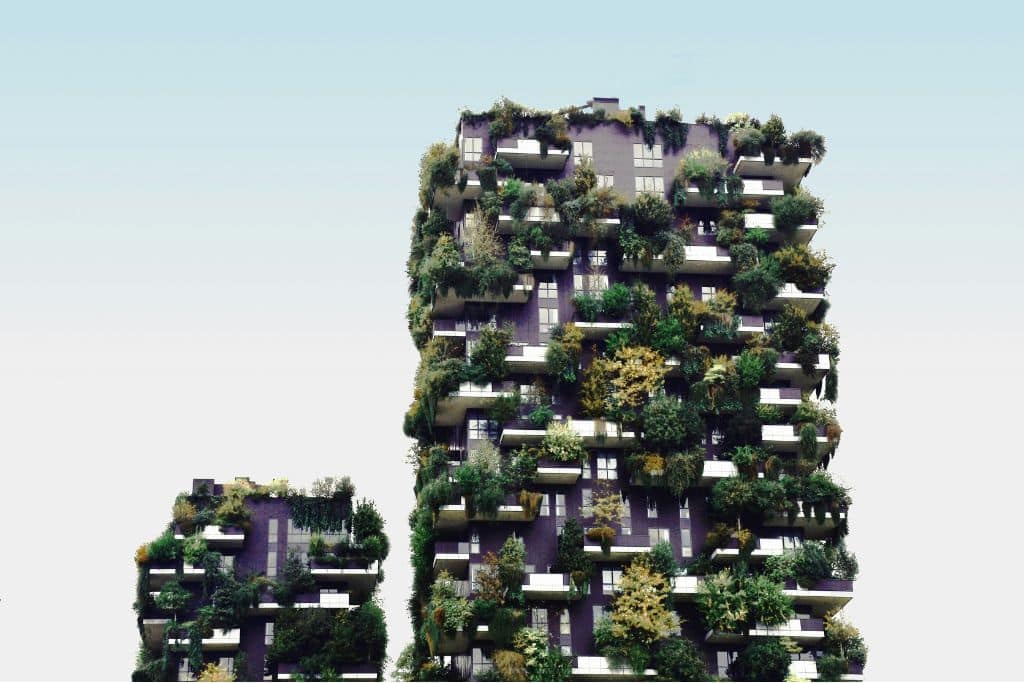
- Green infrastructure—such as permeable pavements, urban forests, and rooftop gardens—provides measurable climate and health co‑benefits.
- Smart‑technology integration can improve energy efficiency and reduce traffic‑related emissions, but requires robust data governance.
- Inclusive planning that engages marginalized communities reduces displacement and improves social equity.
What Is Urban Expansion and Infrastructure: Stretching the Limits of Sustainability?
Urban expansion refers to the spatial growth of built‑up areas beyond existing city boundaries. It encompasses new residential districts, commercial zones, transportation corridors, and utility networks. Infrastructure is the physical and organizational framework that supports urban life—roads, bridges, water supply, energy grids, waste‑management systems, and public transit. While expansion can spur economic development, it also raises the risk of exceeding ecological thresholds, such as carbon budgets, water availability, and biodiversity loss. Distinguishing urban expansion from urban densification is crucial: the former adds land consumption, whereas the latter accommodates more people within the existing footprint.
How Does It Work?
Physical and Socio‑economic Drivers
- Population growth: United Nations (2022) projections estimate 4.2 billion people will reside in cities by 2050, creating a need for additional housing and services.
- Economic pull: Jobs, education, and healthcare concentrate in urban centres, attracting migrants from rural areas.
- Land market dynamics: Real‑estate speculation and lower land‑use regulation accelerate outward growth.
- Policy incentives: Infrastructure subsidies and zoning laws can encourage low‑density development.
Infrastructure Development Cycle
- Planning authorities designate new land for development.
- Engineering firms design roads, water lines, and power connections.
- Construction delivers physical assets, often using concrete and steel, which have high embodied carbon.
- Operational phase consumes energy and water, generating waste and emissions.
- Feedback loops emerge: increased traffic congestion raises emissions, which in turn drives demand for more road capacity.
What Does the Evidence Show?
Long‑term monitoring by the World Bank (2021) shows that cities expanding faster than 3 % per year experience a 1.5‑fold increase in per‑capita carbon emissions compared with slower‑growing counterparts. Systematic reviews of green‑infrastructure projects (e.g., a 2020 meta‑analysis in *Landscape and Urban Planning*) find that permeable pavements reduce storm‑water runoff by 30–50 % and lower urban heat island intensity by up to 2 °C. Satellite observations from NASA indicate that each square kilometre of new low‑density development typically results in a net loss of 0.8 ha of forest or wetland, diminishing carbon sequestration potential (IPCC, 2021). These lines of evidence converge on the conclusion that the pattern of expansion, not merely its size, determines environmental outcomes.
Main Causes or Drivers
Direct Causes
- Rapid urban population increase.
- Insufficient affordable housing within existing city limits.
- Infrastructure financing models that favour new construction over retrofitting.
Underlying Drivers
- Global economic integration that concentrates wealth and services in urban hubs.
- Policy frameworks that lack strong land‑use controls or sustainability criteria.
- Technological optimism that assumes future innovations will offset current environmental costs.
Environmental and Human Impacts
Environmental Impacts
- Climate: Expansion of concrete surfaces increases heat‑island effects and raises energy demand for cooling.
- Water: Impermeable surfaces amplify runoff, contributing to urban flooding and reducing groundwater recharge.
- Biodiversity: Habitat fragmentation lowers species richness; a 2019 IUCN assessment links urban sprawl to declines in pollinator populations.
- Air quality: Additional traffic corridors elevate NO₂ and particulate matter concentrations, disproportionately affecting nearby low‑income neighborhoods.
Human Health and Social Impacts
- Higher exposure to air pollutants correlates with increased respiratory illnesses (WHO, 2021).
- Heat‑island intensity raises heat‑related mortality, especially among older adults.
- Displacement of low‑income residents can occur when new developments raise land values, exacerbating social inequity.
Economic and Infrastructure Impacts
- Short‑term construction boosts employment, but long‑term maintenance costs for sprawling networks can strain municipal budgets.
- Inadequate public transit in expanding suburbs leads to higher household transportation expenses.
Regional Differences
In Asia, megacities such as Shanghai and Delhi experience expansion rates exceeding 5 % per year, leading to severe air‑quality challenges and extensive loss of peri‑urban wetlands (UN‑Habitat, 2020). In contrast, many European cities have adopted compact growth strategies, integrating mixed‑use zoning and extensive public transit, which have limited new land consumption. Sub‑Saharan African cities often grow informally, with limited formal infrastructure, resulting in high vulnerability to flooding and limited access to clean water. These patterns illustrate that governance capacity, economic context, and climate zone shape both the drivers and consequences of urban expansion.
What Scientists Know With High Confidence
- Urban land conversion contributes significantly to global carbon emissions, primarily through embodied energy in construction materials.
- Green‑infrastructure interventions (e.g., trees, green roofs) consistently lower ambient temperatures and improve storm‑water management.
- Socio‑economic inequities often intensify in rapidly expanding urban peripheries.
- Integrating real‑time data into energy and transport systems can reduce emissions by 10–20 % when properly managed.
What Remains Uncertain
Key knowledge gaps include the long‑term performance of large‑scale renewable‑energy micro‑grids in densely built environments, the magnitude of future migration driven by climate‑induced displacement, and the extent to which emerging autonomous‑vehicle technologies will reduce or increase total vehicle kilometres travelled. Improved city‑level monitoring and scenario modelling are needed to narrow these uncertainties.
Common Misconceptions
Misconception: Building more roads always eases traffic congestion.
Reality: The “induced‑demand” effect, documented in a 2018 review by the Transportation Research Board, shows that additional lane capacity often leads to proportional increases in vehicle use, negating congestion relief.
Misconception: Green roofs alone can solve urban heat islands.
Reality: While green roofs can lower surface temperatures by up to 5 °C, studies (e.g., *Urban Climate*, 2021) indicate that city‑wide cooling requires a combination of tree canopy, reflective surfaces, and reduced impervious area.
Misconception: Smart‑city technologies automatically reduce emissions.
Reality: Without supportive policies and behavioural change, data‑driven systems may optimise efficiency but still operate within a high‑emission baseline.
Solutions and Limitations
Effective responses fall into three overlapping categories: prevention, mitigation, and adaptation.
- Prevention – Compact, transit‑oriented development: Limits new land consumption but requires strong zoning reforms and affordable housing incentives. Implementation can be politically contentious in car‑dependent cultures.
- Mitigation – Green infrastructure: Provides ecosystem services, yet requires ongoing maintenance, water availability, and may be limited by space constraints in dense cores.
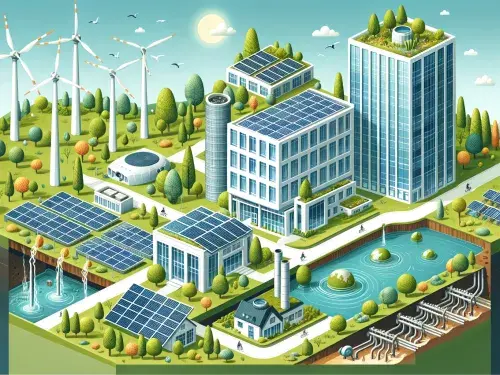
- Adaptation – Resilient water and energy systems: Smart grids and decentralized water recycling improve resilience, but upfront capital costs are high and success depends on regulatory alignment.
- Policy instruments – Carbon pricing and development impact fees: Can internalise environmental costs, yet must be designed to avoid disproportionate burdens on low‑income households.
What Individuals, Communities, and Governments Can Do
What Individuals Can Do
- Choose housing in well‑served transit corridors to reduce car dependence.
- Support local ordinances that require green roofs or tree planting on new developments.
- Participate in community‑based monitoring of air and water quality.
What Communities and Organizations Can Do
- Develop neighborhood plans that prioritize mixed‑use zoning and pedestrian‑friendly streets.
- Partner with municipalities to install permeable pavements in public parking areas.
- Facilitate workshops that give marginalized residents a voice in planning decisions.
What Governments Can Do
- Adopt national or regional land‑use frameworks that set clear limits on urban sprawl.
- Provide subsidies for retrofitting existing buildings with energy‑efficient technologies.
- Mandate integrated data platforms for utilities to enable real‑time demand management.
- Ensure impact‑fee revenues are reinvested in affordable, sustainable housing.
Closing Synthesis
Urban expansion is an inevitable response to demographic and economic trends, yet the way cities build and operate their infrastructure determines whether this growth stays within planetary boundaries. Robust scientific evidence confirms that unchecked sprawl amplifies climate change, water stress, and social inequity, while green‑infrastructure, smart technologies, and inclusive planning can offset many of these pressures. Uncertainties about future migration patterns and technology adoption highlight the need for adaptive governance and continuous monitoring. By aligning policy, technology, and community action, cities can transform expansion from a sustainability challenge into an opportunity for resilient, equitable development.
Frequently Asked Questions
What defines urban expansion and how does it differ from densification?
Urban expansion describes the outward spread of built‑up areas into previously undeveloped land, whereas densification adds more people or structures within the existing city footprint without increasing its geographic size.
How does green infrastructure help mitigate the impacts of city growth?
Green infrastructure—like trees, permeable pavements, and rooftop gardens—absorbs stormwater, reduces heat‑island intensity, and captures carbon, providing measurable climate and health benefits that offset some effects of expansion.
What are the main drivers behind rapid urban expansion?
Key drivers include rising urban populations, economic opportunities that attract migrants, real‑estate market incentives, and policy frameworks that favour low‑density development.
Which solutions have proven limitations when applied to expanding cities?
Solutions such as compact, transit‑oriented design can face political resistance; green roofs need space and maintenance; and smart‑grid technologies require significant upfront investment and supportive regulation.
What actions can local governments take to promote sustainable urban growth?
Governments can set land‑use limits, subsidize retrofits, require green infrastructure on new projects, create affordable housing near transit, and develop integrated data platforms for utilities to improve efficiency.






Leave a Comment