
Carbon capture projects in the United States often stall for years due to regulatory complexity, financing gaps, and technology scaling challenges, but coordinated policy reforms, robust funding mechanisms, and focused research can dramatically shorten deployment timelines.
Quick Answer
Carbon capture and storage (CCS) projects in the U.S. take too long because they must navigate overlapping federal, state, and local permitting processes, secure capital amid perceived investment risk, and prove that emerging capture technologies can operate at commercial scale. Evidence from the Intergovernmental Panel on Climate Change (IPCC) and the U.S. Energy Information Administration shows that CCS could remove gigatons of CO₂ annually, yet only a handful of facilities are operating. Accelerating deployment therefore requires streamlined regulations, stable financial incentives, and expanded pilot testing, while acknowledging uncertainties around long‑term storage integrity and cost trajectories.
Key Takeaways
- Regulatory overlap across agencies adds years to permitting timelines.
- Capital scarcity stems from high upfront costs and uncertain revenue streams.
- Technology readiness varies; pilot projects are essential for scaling.
- Public‑private partnerships and tax credits (e.g., 45Q) can lower financial risk.
- Regional strategies that match local industry and geology improve project viability.
- Community engagement reduces “not‑in‑my‑backyard” opposition and speeds approvals.
What Is Why Carbon Capture Projects in the U.S. Take Too Long—and How to Fix It?
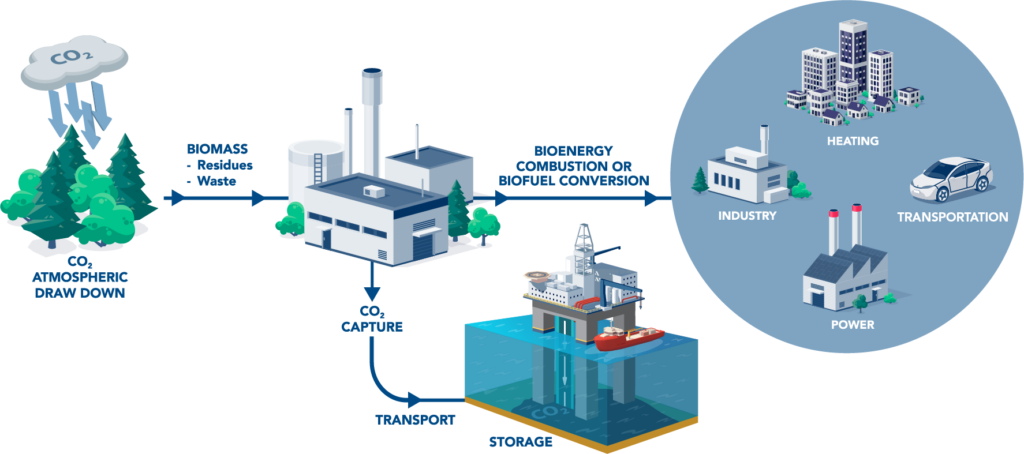
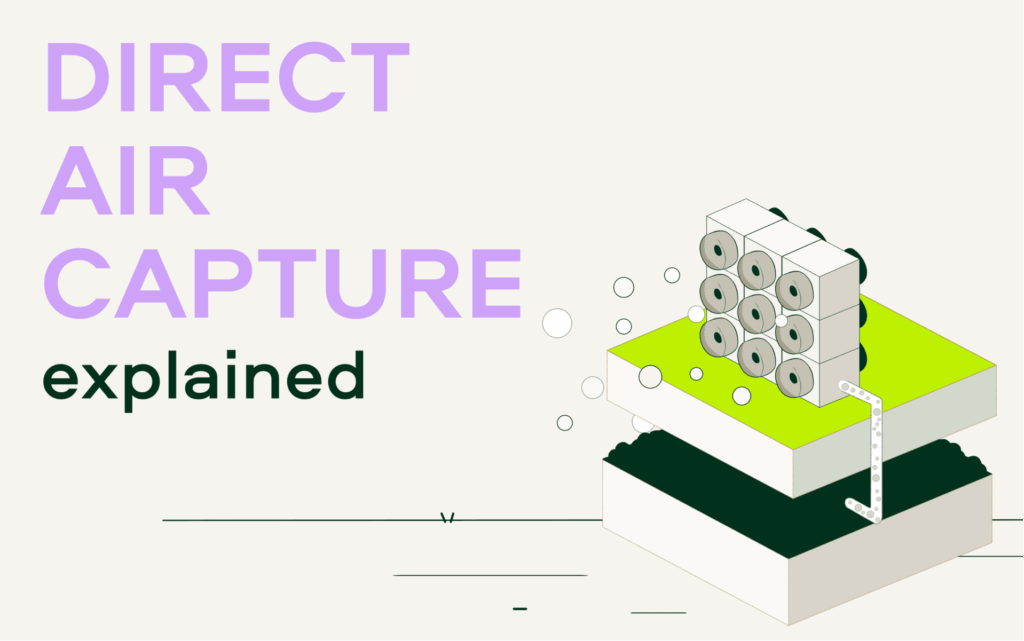
Carbon capture refers to a set of engineering methods that separate carbon dioxide (CO₂) from point‑source emissions (such as power plants) or directly from ambient air, then transport and store the gas underground in geological formations. In the United States, the term often encompasses three main sub‑technologies: post‑combustion capture, pre‑combustion capture, and direct air capture (DAC). CCS is distinct from carbon offset markets or nature‑based removal because the CO₂ is physically isolated from the atmosphere.
The relevance of CCS lies in its potential to mitigate emissions from hard‑to‑decarbonize sectors—cement, steel, chemicals, and some heavy‑duty transport—while allowing continued use of existing infrastructure during the transition to renewable energy.
How Does It Work?
1. Capture
At a source, a solvent, sorbent, or membrane selectively binds CO₂. Post‑combustion systems typically use amine‑based solvents that absorb CO₂ from flue gas; the solvent is then heated to release pure CO₂.
2. Compression and Transport
The captured CO₂ is compressed to a supercritical state (≈7 MPa, 30 °C) and moved via pipelines or trucks to a storage site. Supercritical CO₂ behaves like a liquid, enabling efficient injection.
3. Injection and Storage
Injection wells deliver CO₂ into deep saline aquifers, depleted oil and gas reservoirs, or basalt formations. Monitoring wells and seismic surveys track plume migration to ensure long‑term containment.
4. Verification
Independent auditors certify the amount stored using mass‑balance calculations and geophysical monitoring, which is required for regulatory compliance and for claiming tax incentives.
What Does the Evidence Show?
Long‑term monitoring by the U.S. Department of Energy confirms that CO₂ injected into saline aquifers remains trapped for centuries, with less than 0.01 % leakage observed in pilot studies (DOE, 2021). The IPCC’s 2022 mitigation pathways assign CCS a median potential of 5‑10 Gt CO₂ yr⁻¹ by 2050, assuming rapid scale‑up. However, the International Energy Agency (IEA) reports that as of 2023 only 30 Mt CO₂ yr⁻¹ were captured globally, indicating a large implementation gap.
Economic analyses show that the levelized cost of carbon capture (LCOC) ranges from US$50‑120 per tonne of CO₂ for post‑combustion systems, while DAC costs are higher (US$150‑600 t⁻¹) (IEA, 2023). These costs decline with learning‑by‑doing, but financing remains a barrier because revenue is tied to uncertain carbon pricing.
Main Causes or Drivers
Regulatory Complexity
Federal agencies (EPA, DOE, BLM) issue separate permits for air emissions, underground injection, and pipeline construction. State agencies often replicate requirements, creating redundant reviews that can extend project timelines by 5‑10 years (National Academies, 2022).
Funding Gaps
CCS projects require capital expenditures of US$500‑1,500 million per megawatt of capture capacity. Private investors cite high risk due to uncertain carbon prices and long payback periods, leading to a financing “valley of death” between demonstration and commercial phases.
Technology Readiness
While amine solvent technology is mature, advanced options such as solid sorbents and DAC remain at pilot scale. Scaling these technologies demands extensive testing to address durability, energy penalties, and integration with existing plants.
Infrastructure Constraints
Limited CO₂ pipeline networks force each project to build bespoke transport routes, inflating costs. The U.S. has only ~3,000 km of dedicated CO₂ pipelines, compared with >150,000 km for natural gas.
Social Acceptance
Public concerns about underground storage safety and “NIMBY” attitudes can delay permitting and increase legal costs, especially in densely populated regions.
Environmental and Human Impacts
Environmental Impacts
When successfully implemented, CCS prevents CO₂ from entering the atmosphere, contributing to climate mitigation. Geological storage can also enhance oil recovery, which may offset some emissions if the extracted oil replaces higher‑carbon fuels. Potential risks include accidental leakage, which could affect groundwater quality; however, monitoring data indicate that well‑integrity failures are rare (<0.1 % of wells) (EPA, 2022).
Human Health and Social Impacts
Reduced atmospheric CO₂ can mitigate heat‑related health risks and improve air quality indirectly by allowing continued use of lower‑pollution fossil‑fuel plants. Conversely, construction activities may cause temporary air and noise disturbances for nearby communities.
Economic and Infrastructure Impacts
CCS projects generate high‑skill jobs in engineering, construction, and monitoring. The IEA estimates that each gigawatt of capture capacity can support 200‑300 permanent jobs. However, high capital costs can strain utilities, potentially leading to higher electricity rates if costs are passed to consumers.
Regional Differences
The Midwest, with its extensive coal‑fired generation and deep saline formations, is well‑suited for large‑scale CCS, as demonstrated by the Illinois Industrial CCS project (operational since 2020). In contrast, the Gulf Coast benefits from existing CO₂ pipelines and oil‑field infrastructure, facilitating storage‑enhanced oil recovery. Coastal states face stricter permitting due to environmental justice considerations and higher public scrutiny. These regional characteristics shape the optimal policy mix for each area.
What Scientists Know With High Confidence
- Geological formations can securely store CO₂ for centuries when well integrity is maintained.
- CCS can contribute significantly to deep‑decarbonization pathways identified by the IPCC.
- Regulatory and financing barriers are the primary reasons for the current implementation gap.
- Public acceptance improves when communities receive transparent monitoring data and tangible local benefits.
What Remains Uncertain
Key uncertainties include the long‑term leakage rates for different rock types, the true cost trajectory of emerging capture solvents and DAC systems, and the effectiveness of proposed policy instruments (e.g., carbon pricing levels) in attracting sustained private investment. More field‑scale experiments and standardized monitoring protocols are needed to reduce these gaps.
Common Misconceptions
Misconception: CCS can replace renewable energy.
Reality: CCS mitigates emissions from existing fossil‑fuel infrastructure but does not generate electricity; it complements, rather than substitutes, renewable energy expansion.
Misconception: Stored CO₂ will eventually leak back into the atmosphere.
Reality: Properly selected and monitored deep saline aquifers show leakage rates below 0.01 % over decades, which is negligible compared to the amount captured.
Misconception: Carbon capture is already cheap and widely deployed.
Reality: Current commercial CCS projects represent less than 0.1 % of global CO₂ emissions, and the levelized cost remains high without policy support.
Misconception: Only large utilities can implement CCS.
Reality: Modular DAC units and smaller post‑combustion systems can be installed at industrial sites, provided financing and permitting pathways are clear.
Solutions and Limitations
Accelerating CCS requires a suite of coordinated actions:
- Regulatory Streamlining: Create a unified permitting framework that consolidates federal and state reviews, reducing redundancy. Limitation: Requires inter‑agency agreement and may face political resistance.
- Financial Incentives: Expand the 45Q tax credit, tie it to verified storage, and introduce loan guarantees for early‑stage projects. Limitation: Dependent on congressional action and budget constraints.
- Technology Demonstration: Fund pilot plants through DOE’s Carbon Capture Program, focusing on solid sorbents and low‑temperature DAC. Limitation: Demonstrations take time and may not immediately translate to commercial scale.
- Infrastructure Development: Invest in shared CO₂ pipeline corridors and hub‑and‑spoke storage models. Limitation: High upfront costs and potential land‑use conflicts.
- Community Engagement: Implement transparent monitoring dashboards and local benefit agreements. Limitation: Requires sustained outreach resources.
What Individuals, Communities, and Governments Can Do
What Individuals Can Do
Support policies that fund CCS, such as contacting representatives about the 45Q credit, and choose low‑carbon products from industries investing in capture technologies.
What Communities and Organizations Can Do
Form coalitions to engage with project developers early, demand rigorous safety monitoring, and explore local job training programs linked to CCS facilities.
What Governments Can Do
Establish state‑level “fast‑track” permitting pathways, allocate grant money for pilot projects, and integrate CCS into climate‑action plans with clear emissions‑reduction metrics.
What Businesses and Industries Can Do
Conduct feasibility studies for retrofitting plants with capture units, partner with research institutions for technology trials, and disclose CO₂ capture metrics in sustainability reporting.
Moving Forward
Carbon capture projects in the United States face delays because of tangled regulations, financing hurdles, and the need for technology validation. Robust scientific monitoring confirms that geological storage is safe, while economic analyses highlight the cost barriers. By streamlining permitting, providing stable financial incentives, expanding pilot programs, and fostering community trust, the nation can shorten project timelines and unlock the climate‑mitigation potential of CCS. Continued research will reduce remaining uncertainties, ensuring that CCS becomes a reliable component of a diversified decarbonization strategy.
Frequently Asked Questions
What is carbon capture and storage (CCS)?
Carbon capture and storage (CCS) is a set of technologies that separate carbon dioxide from emission sources or air, compress it, transport it, and inject it into deep geological formations for long‑term containment.
Why do CCS projects in the United States often take many years to start?
CCS projects are delayed by overlapping federal, state, and local permitting requirements, high upfront capital costs that deter investors, and the need to prove new capture technologies can operate at commercial scale.
What evidence shows that underground CO₂ storage is safe?
Long‑term monitoring by the U.S. Department of Energy indicates leakage rates below 0.01 % in pilot studies, and the EPA reports well‑integrity failures in less than 0.1 % of storage wells, supporting the safety of geological storage.
How can policy help accelerate CCS deployment?
Policy can streamline permitting by creating unified review processes, expand tax credits such as 45Q, provide loan guarantees, and fund pilot projects, all of which reduce financial risk and shorten approval timelines.
What role can individuals play in advancing carbon capture?
Individuals can support CCS by advocating for supportive legislation, choosing low‑carbon products from companies that invest in capture technologies, and staying informed about local CCS initiatives.





Leave a Comment