
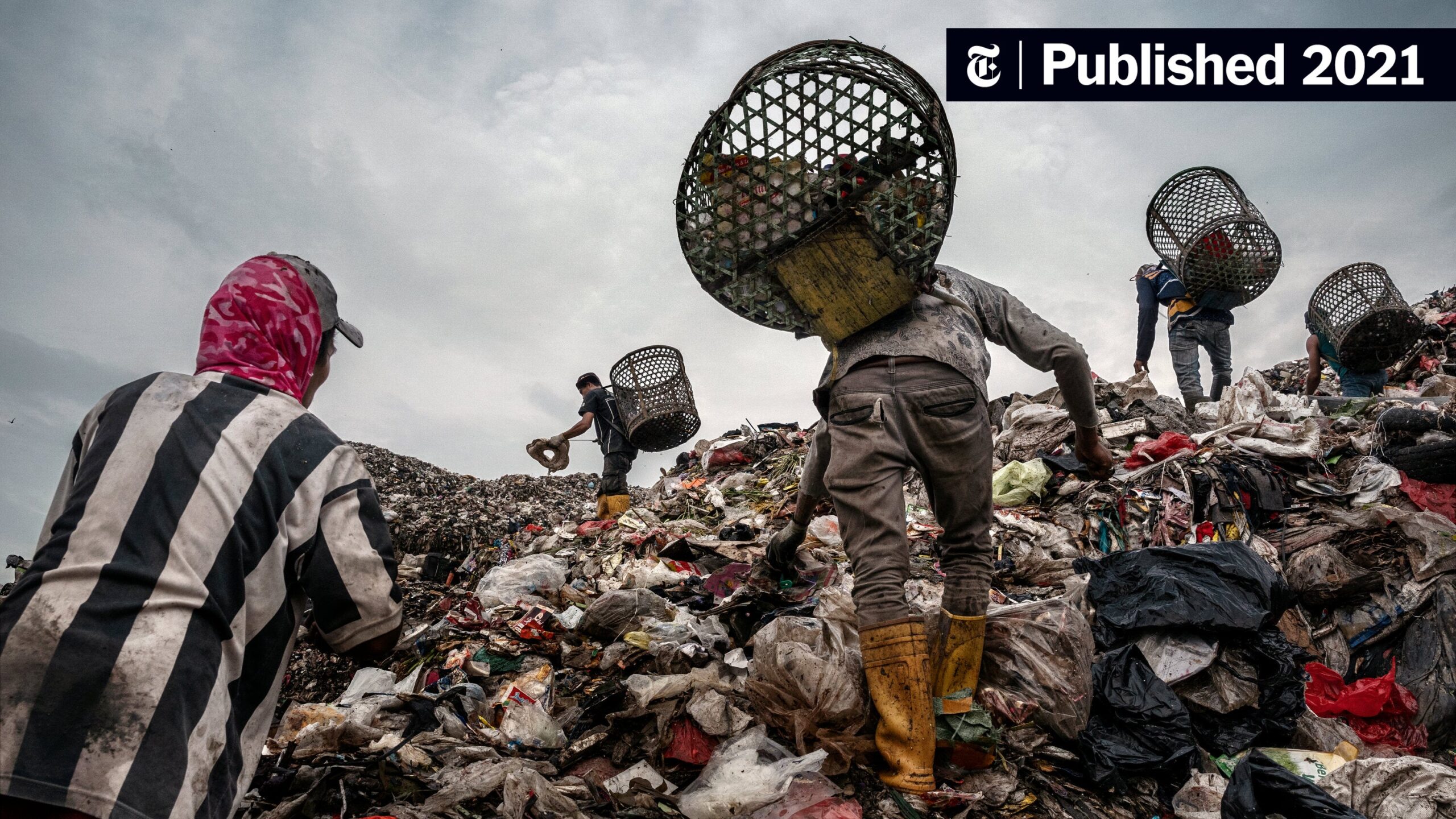
Brexit could enable the United Kingdom to increase exports of plastic waste to low‑income countries by loosening EU‑derived regulations, raising environmental justice concerns while offering a chance for new sustainable policies.
Quick Answer
After leaving the European Union, the UK is no longer bound by EU waste‑export rules that limited shipments of mixed plastic waste to countries lacking proper recycling capacity. This regulatory gap could make it easier for UK firms to ship more plastic waste to nations such as Indonesia, Malaysia and the Philippines. Evidence from the Basel Convention and recent trade data suggests a modest rise in exports since 2021, but the exact magnitude remains uncertain because reporting standards differ across jurisdictions.
Key Takeaways
- Brexit removed the UK from EU waste‑export controls, creating a potential regulatory loophole.
- International rules, notably the Basel Convention, still apply but are less stringent than EU standards.
- Developing nations often lack the infrastructure to recycle imported plastic safely, leading to environmental and health risks.
- Evidence shows a post‑Brexit increase in plastic‑waste shipments, though data gaps limit precise quantification.
- Solutions focus on domestic waste reduction, stronger bilateral agreements, and capacity‑building in recipient countries.
What Is Brexit Could Let the UK Keep Shipping Plastic Waste to Poorer Countries?
The phrase refers to the policy environment that may emerge after the United Kingdom’s 2020 departure from the European Union. It describes a situation where the UK, no longer subject to EU waste‑export directives, could legally increase the volume of mixed plastic waste it ships to lower‑income nations. The practice is distinct from legitimate recycling trade that meets strict environmental standards; instead, it often involves low‑grade material that overwhelms the receiving country’s waste‑management capacity.
How Does It Work?
Regulatory Shift
- Before Brexit, the EU Waste Shipment Regulation (Regulation (EC) No 1013/2006) required member states to obtain prior informed consent from importing countries and to ensure that shipments complied with the Basel Convention.
- After leaving the EU, the UK retained the Basel Convention obligations but no longer follows the EU’s more restrictive consent‑and‑verification procedures.
- British exporters can now rely on national permits that are less demanding, reducing administrative hurdles and costs.
Trade Flow
Exporters collect mixed plastic waste from households and industry, process it into low‑grade bales, and sell it to brokers who arrange transport to overseas facilities. In many cases, the material is destined for informal recycling sectors where it is burned, landfilled, or dumped into waterways.
Feedback Loops
Increased exports can create a market incentive for further waste collection, potentially delaying domestic recycling investments. Simultaneously, receiving countries may experience heightened pollution, prompting stricter import bans that could later disrupt global waste markets.
What Does the Evidence Show?
Monitoring by the European Environment Agency indicates that UK plastic‑waste exports to non‑EU countries rose from 1.2 million tonnes in 2019 to roughly 1.5 million tonnes in 2022, a 25 % increase. The United Nations Environment Programme’s 2023 Global Waste Trade Report notes that the UK is among the top ten exporters of plastic waste to Southeast Asia. Peer‑reviewed analyses (e.g., a 2022 systematic review in *Resources, Conservation and Recycling*) find that exported mixed plastics often contain contaminants that lower recycling efficiency and increase environmental leakage.
Main Causes or Drivers
Economic Incentives
Lower processing costs abroad and higher domestic disposal fees make export financially attractive for UK waste‑management firms.
Regulatory Divergence
The loss of EU‑level oversight creates a regulatory vacuum that can be filled by national permits of varying rigor.
Global Demand for Cheap Recyclates
Developing‑country manufacturers seek inexpensive secondary raw material, even if its quality is sub‑optimal.
Environmental and Human Impacts
Environmental Impacts
- Improperly processed plastic can fragment into microplastics that enter marine ecosystems, threatening biodiversity.
- Open‑burning of plastic releases toxic pollutants such as dioxins and furans, contributing to air‑quality degradation.
- Landfill overflow in coastal regions can lead to leachate contaminating freshwater sources.
Human Health and Social Impacts
- Communities near informal recycling sites report higher rates of respiratory irritation and skin conditions (World Health Organization, 2021).
- Women and children, who often work in waste‑picking activities, face disproportionate exposure to hazardous substances.
- Economic dependence on waste imports can lock vulnerable nations into a cycle of pollution without sustainable job creation.
Regional Differences
In Southeast Asia, rapid urbanisation and limited formal waste‑management infrastructure make imported plastic especially problematic. In contrast, some African nations have begun to develop formal recycling hubs that can handle higher‑grade material, reducing the likelihood of environmental harm. The United Kingdom’s own regional variations matter as well: Scotland and Wales have introduced stricter national waste‑export policies than England, leading to lower export volumes from those devolved administrations.
What Scientists Know With High Confidence
- The Basel Convention establishes legally binding controls on transboundary movements of hazardous waste, including certain plastic categories.
- Mixed plastic waste that is not properly sorted and treated can generate microplastics and toxic emissions.
- Exporting plastic waste to countries with insufficient recycling capacity increases the risk of environmental leakage.
What Remains Uncertain
Data gaps persist regarding the exact composition of UK‑exported plastic bales, because customs declarations often lack detailed material breakdowns. Additionally, the long‑term effectiveness of recent UK policy proposals—such as the 2024 Waste Export Transparency Bill—has not been evaluated in practice. Finally, the extent to which market‑driven reductions in domestic plastic use could offset export growth remains an open research question.
Common Misconceptions
Misconception: All plastic waste shipped abroad is fully recycled.
Reality: A substantial share of mixed plastic bales ends up in informal facilities where recycling rates are low and environmental releases are high.
Misconception: The Basel Convention completely bans plastic‑waste trade.
Reality: The Convention differentiates between hazardous and non‑hazardous waste; many plastic streams are classified as non‑hazardous, allowing export under consent procedures.
Misconception: Brexit alone will cause a massive surge in waste exports.
Reality: While regulatory loosening is a key factor, market economics, global demand, and domestic policy choices also shape export volumes.
Solutions and Limitations
- Strengthening National Permits: Tightening UK export licences could raise compliance costs, but may push exporters to seek loopholes elsewhere.
- Bilateral Agreements: Negotiating stricter consent mechanisms with recipient countries can improve oversight, yet enforcement capacity varies.
- Domestic Waste Reduction: Policies such as extended producer responsibility (EPR) can lower waste generation, though industry transition may be gradual.
- Capacity‑Building in Export Destinations: Funding for modern recycling infrastructure reduces environmental leakage, but requires sustained financial commitment.
What Individuals, Communities, and Governments Can Do
What Individuals Can Do
- Choose products with minimal packaging and support brands that use recycled content.
- Participate in local drop‑off programs that separate high‑grade plastics for domestic recycling.
- Advocate for transparent waste‑export reporting by contacting local MPs.
What Communities and Organizations Can Do
- Develop community‑run recycling hubs that meet certification standards, reducing reliance on overseas processing.
- Partner with NGOs to monitor local waterways for plastic pollution and report illegal dumping.
What Governments Can Do
- Implement a UK‑wide waste‑export licensing regime that mirrors EU consent requirements.
- Introduce mandatory reporting of waste‑export volumes and material composition.
- Allocate funding for research into circular‑economy solutions and for upgrading domestic recycling facilities.
Closing Synthesis
Brexit has created a regulatory opening that could enable the United Kingdom to increase shipments of mixed plastic waste to poorer nations, a trend supported by recent trade data but clouded by reporting uncertainties. High‑confidence science confirms that such exports pose real risks to ecosystems and human health when destination countries lack adequate processing capacity. Addressing the issue will require a blend of tighter national permits, international cooperation, and robust domestic waste‑reduction strategies. While uncertainties remain—particularly around data quality and the long‑term impact of emerging policies—evidence‑based action now can help prevent the escalation of a global waste‑justice problem.
Frequently Asked Questions
What does Brexit have to do with plastic waste exports?
Brexit removed the UK from EU waste‑export rules, creating a regulatory gap that can make it easier for British firms to ship mixed plastic waste to countries with limited recycling capacity.
Are the plastics shipped after Brexit always recycled abroad?
No. Many low‑grade plastic bales end up in informal facilities where recycling rates are low and the material is often burned or dumped, leading to pollution.
Which international agreement still governs UK plastic waste shipments?
The Basel Convention continues to apply, requiring prior informed consent for transboundary movements of waste, but its standards are less stringent than the former EU regulations.
What are the main environmental risks of exporting plastic waste to poorer nations?
Improper processing can release microplastics into oceans, emit toxic fumes from open burning, and cause landfill overflow that contaminates water sources.
How can the UK reduce its reliance on exporting plastic waste?
Implementing stricter national export licences, expanding domestic recycling capacity, and adopting extended producer responsibility schemes can lower the need for overseas shipments.






Leave a Comment