
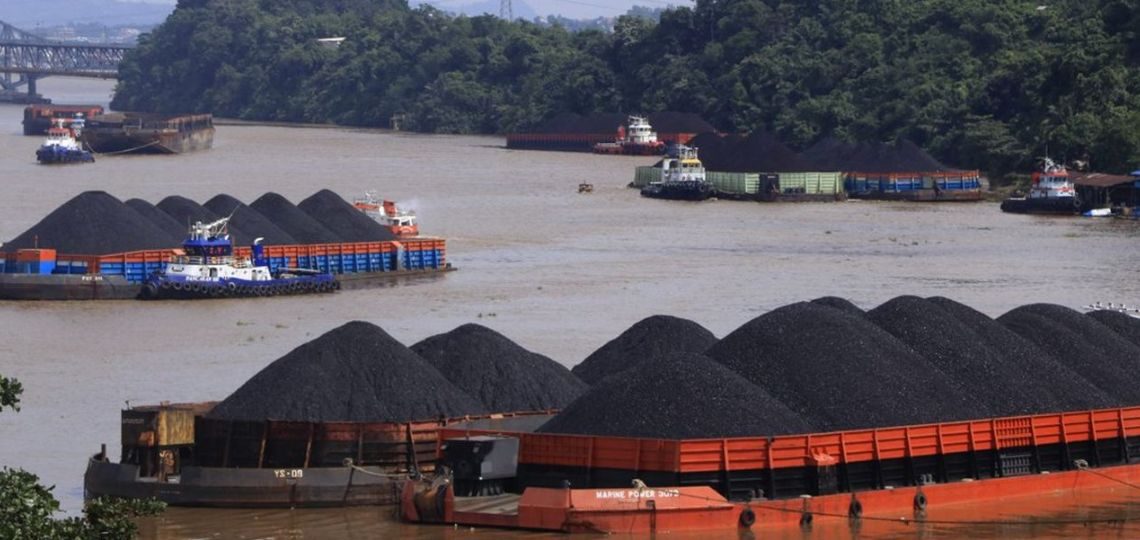
Asia’s heavy reliance on coal—accounting for more than three‑quarters of global consumption—intensifies greenhouse‑gas emissions, worsens air quality, and heightens climate‑related hazards across the continent.
Quick Answer
Asia consumes about 75% of the world’s coal, a fuel that releases carbon dioxide, methane, and toxic pollutants when burned. This large‑scale combustion drives global warming, amplifies extreme weather, and creates severe health problems, especially in densely populated cities. While the overall climate impact is well‑established, uncertainties remain about the pace of transition to renewables and the regional effectiveness of mitigation policies.
Key Takeaways
- Asia accounts for roughly 75% of global coal use, making it the primary driver of coal‑related emissions.
- Coal combustion contributes about 30% of the continent’s total CO₂ emissions, according to the International Energy Agency (IEA, 2023).
- Air‑pollution from coal causes millions of premature deaths annually, with the highest burden in China and India.
- Renewable energy costs have fallen dramatically, offering a cost‑competitive alternative to new coal plants.
- Policy measures such as carbon pricing, coal‑phase‑out plans, and renewable‑energy subsidies are critical but unevenly implemented.
What Is Asia’s Dependence on Coal Continues to Fuel Climate Risks?
The phrase describes the ongoing, continent‑wide reliance on coal for electricity generation, industrial processes, and heating, despite growing investments in renewable energy. It encompasses both the quantity of coal consumed and the systemic factors—economic, political, and infrastructural—that keep coal central to energy strategies. Understanding this dependence matters because coal is the single largest source of anthropogenic carbon dioxide (CO₂), a greenhouse gas that drives global climate change.
How Does It Work?
1. Coal Extraction and Supply Chains
Coal is mined from surface or underground operations, then transported by rail, road, or ship to power plants. Mining releases dust and heavy‑metal runoff, while transportation adds further emissions.
2. Combustion in Power Plants
When burned, coal’s carbon content oxidizes, releasing CO₂ (≈2.4 t CO₂ per tonne of coal) and other gases such as methane (CH₄) and nitrous oxide (N₂O). Combustion also emits sulfur dioxide (SO₂), nitrogen oxides (NOₓ), and fine particulate matter (PM₂.₅), which degrade air quality.
3. Atmospheric Effects
CO₂ accumulates in the atmosphere, trapping infrared radiation and raising global temperatures. Sulfur and nitrogen compounds form aerosols that can both cool the climate (by reflecting sunlight) and acidify rain, creating complex feedbacks.
4. Climate Feedback Loops
Higher temperatures increase demand for electricity (e.g., for cooling), prompting more coal use where alternatives are unavailable, creating a reinforcing loop that amplifies emissions.
What Does the Evidence Show?
Long‑term monitoring by the International Energy Agency (IEA, 2023) indicates that Asia’s coal consumption grew from 4.5 billion tonnes in 2000 to about 6.3 billion tonnes in 2022, representing roughly 78% of the global total. The Intergovernmental Panel on Climate Change (IPCC) AR6 (2021) attributes about 30% of Asia’s CO₂ emissions to coal combustion, making it the dominant sector for mitigation.
Air‑quality studies published in the journal *Environmental Health Perspectives* (2022) link high PM₂.₅ concentrations in Beijing and New Delhi to coal‑fired power generation, estimating 1.2 million premature deaths annually across the two cities. The World Health Organization (WHO, 2021) reports that ambient air pollution caused 4.2 million premature deaths worldwide, with the majority occurring in Asia.
Renewable‑energy adoption data from the International Renewable Energy Agency (IRENA, 2023) show solar PV capacity in China grew from 30 GW in 2015 to over 300 GW in 2022, indicating rapid deployment but still insufficient to offset new coal capacity added each year.
Main Causes or Drivers
Economic Growth and Energy Demand
Rapid industrialisation and urbanisation have driven electricity demand up by an estimated 4% per year in the region (IEA, 2023). Coal remains cheap and abundant, making it attractive for meeting base‑load power needs.
Energy Security Concerns
Geopolitical tensions and supply‑chain disruptions prompt governments to view domestically mined coal as a reliable source, reducing perceived risk of imported fuel shortages.
Policy and Regulatory Gaps
Inconsistent carbon‑pricing mechanisms and subsidies for fossil‑fuel infrastructure delay the retirement of existing coal plants.
Infrastructure Lock‑In
Long‑life power‑plant assets and grid designs optimized for coal limit the speed at which renewable technologies can replace them.
Environmental and Human Impacts
Environmental Impacts
- Climate Change: Coal‑related CO₂ emissions contribute roughly 1.5 gigatonnes of CO₂ annually from Asia, accelerating global warming.
- Air Pollution: SO₂, NOₓ, and PM₂.₅ degrade regional air quality, leading to haze events and acid rain.
- Water Contamination: Mine runoff introduces heavy metals such as arsenic and mercury into rivers, harming aquatic ecosystems.
- Land Degradation: Open‑pit mines strip vegetation, increase erosion, and fragment habitats.
Human Health and Social Impacts
- Increased incidence of respiratory illnesses, cardiovascular disease, and reduced life expectancy in coal‑dependent regions.
- Economic burdens from healthcare costs and lost labor productivity, disproportionately affecting low‑income communities.
- Social inequities arise because vulnerable populations—children, the elderly, and outdoor workers—receive the highest exposure.
Economic and Infrastructure Impacts
- Coal subsidies in some Asian countries exceed US$100 billion annually (IEA, 2023), diverting resources from renewable development.
- Frequent black‑outs during extreme heat events highlight the fragility of coal‑centric grids.
Regional Differences
China remains the world’s largest coal consumer, responsible for about 50% of global coal use, yet it has announced a goal to peak CO₂ emissions before 2030. India’s coal reliance is growing, with coal supplying 70% of its electricity in 2022, while Indonesia is both a major coal exporter and a domestic consumer, facing deforestation from mine expansion. Southeast Asian nations such as Vietnam and the Philippines are beginning to phase out coal, but limited financing slows progress.
What Scientists Know With High Confidence
What Scientists Know With High Confidence
- Coal combustion is a leading source of anthropogenic CO₂ and a major driver of global warming (IPCC AR6, 2021).
- Exposure to coal‑related air pollutants increases the risk of premature mortality, especially in densely populated urban areas (WHO, 2021).
- Renewable energy technologies—solar and wind—have become cost‑competitive with new coal plants in most Asian markets (IRENA, 2023).
What Remains Uncertain
What Remains Uncertain
Key uncertainties include the speed at which Asian economies can transition financing from coal to renewables, the effectiveness of emerging carbon‑pricing schemes in diverse political contexts, and the regional climate feedbacks associated with simultaneous reductions in aerosol emissions and CO₂ concentrations.
Common Misconceptions
Common Misconceptions
Misconception: Coal is the only affordable energy source for developing nations.
Reality: While coal has historically been cheap, the levelized cost of electricity from solar PV has fallen below that of new coal plants in many Asian countries, making renewables increasingly affordable.
Misconception: Reducing coal use will immediately solve air‑quality problems.
Reality: Coal is a major source, but other contributors—vehicle emissions, industry, and biomass burning—also affect air quality; comprehensive policies are needed.
Misconception: All coal plants are equally polluting.
Reality: Modern ultra‑supercritical plants emit less CO₂ per unit of electricity than older subcritical units, yet they still generate substantial emissions compared with zero‑carbon sources.
Solutions and Limitations
Effective strategies combine mitigation, adaptation, and systemic change. Renewable‑energy deployment reduces emissions but requires grid upgrades and storage solutions. Carbon pricing can internalize coal’s external costs, yet political resistance can limit its reach. Coal‑phase‑out plans—such as China’s target to cease building new coal plants after 2021—are promising, but existing plants have lifespans of 30‑40 years, slowing immediate impact. Energy‑efficiency measures lower demand, but without parallel supply‑side reforms, savings may be offset by economic growth.
What Individuals, Communities, and Governments Can Do
What Individuals Can Do
- Support policies and candidates that prioritize clean‑energy subsidies.
- Reduce personal electricity consumption through energy‑efficient appliances.
- Advocate for transparent reporting of local air‑quality data.
What Communities and Organizations Can Do
- Implement localized renewable projects (e.g., community solar) to offset coal‑derived electricity.
- Partner with NGOs to monitor air quality and raise public awareness.
- Develop workforce‑training programs for jobs in renewable‑energy sectors.
What Governments Can Do
- Introduce or strengthen carbon pricing mechanisms that reflect the true social cost of coal.
- Phase out subsidies for coal and redirect funds toward renewable‑energy research and grid modernization.
- Set legally binding targets for coal‑plant retirement and enforce strict emissions standards.
Looking Ahead
Asia’s coal dependence remains a pivotal factor in global climate risk, yet the continent also possesses the technological capacity and policy momentum to reshape its energy future. High‑confidence evidence confirms that coal drives emissions and health harms, while uncertainties center on transition speed and policy efficacy. By coupling ambitious renewable‑energy expansion with robust regulatory frameworks, the region can reduce its climate footprint while fostering economic resilience.
Frequently Asked Questions
What proportion of global coal consumption occurs in Asia?
Asia consumes about 75% of the world’s coal, according to International Energy Agency data for 2022, making it the dominant region for coal‑related emissions.
How does burning coal contribute to climate change?
When coal is burned, carbon stored for millions of years oxidizes, releasing roughly 2.4 tonnes of CO₂ per tonne of coal. This adds to the atmospheric greenhouse‑gas pool, trapping heat and raising global temperatures.
What health risks are linked to coal‑related air pollution in Asian cities?
Coal combustion emits fine particulate matter (PM₂.₅), sulfur dioxide, and nitrogen oxides. Exposure is associated with higher rates of respiratory disease, heart problems, and premature death, especially in densely populated areas like Beijing and New Delhi.
Which renewable energy options are most viable for replacing coal in Asia?
Solar photovoltaic and on‑shore wind have become cost‑competitive with new coal plants across much of Asia. Their rapid cost declines, abundant resource bases, and scalability make them the leading candidates for a coal‑free electricity mix.
What policies have proven effective in reducing coal use in Asian countries?
Carbon pricing, the removal of coal subsidies, and legally binding phase‑out schedules have shown results. China’s moratorium on new coal‑plant construction after 2021 and India’s renewable‑energy targets illustrate how policy can steer the transition.








Leave a Comment