
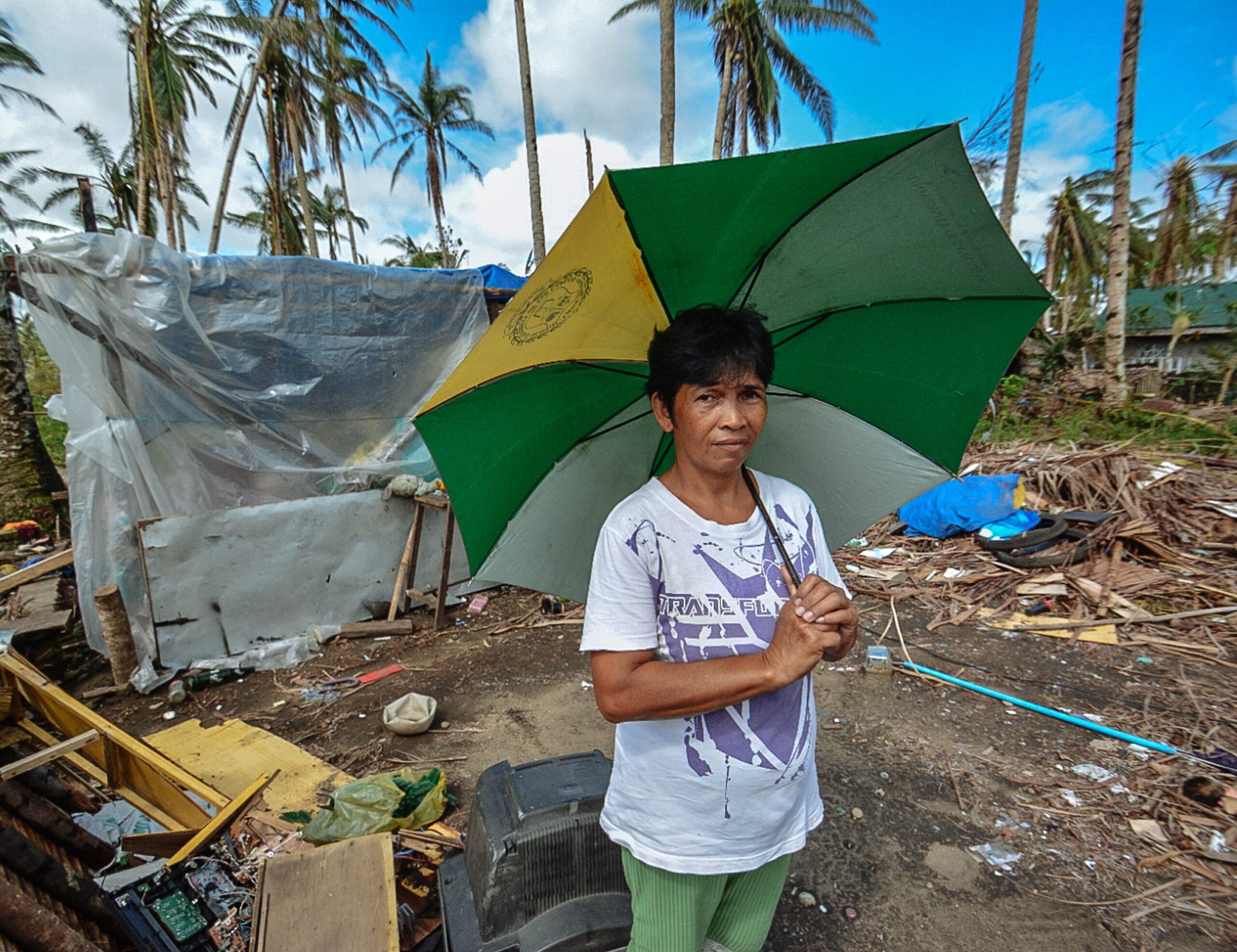
A recent study shows that the ongoing loss of natural ecosystems reduces air quality, mental health, food security and overall human well‑being, highlighting the urgent need for evidence‑based conservation.
Quick Answer
Nature’s decline—measured as loss of biodiversity, forest cover, wetlands and other ecosystem services—has been linked to poorer human quality of life through reduced clean air, diminished mental‑health benefits, weakened food and water security, and increased exposure to climate‑related hazards. The scientific consensus, based on long‑term monitoring and systematic reviews, indicates that these links are robust, though uncertainties remain about the precise magnitude of effects in different regions and future trajectories.
Key Takeaways
- Ecological degradation directly reduces essential services such as clean air, water filtration and pollination.
- Access to green spaces improves mental health; loss of these spaces is associated with higher anxiety and depression rates.
- Food and water security are increasingly threatened by soil degradation and altered hydrological cycles.
- Vulnerable populations—children, the elderly, low‑income communities—experience the greatest health impacts.
- Evidence‑based actions include ecosystem restoration, urban greening, and policies that protect critical habitats.
What Is Nature’s Decline Is Lowering Human Quality of Life Study Finds?
The study referenced in this article is a synthesis of peer‑reviewed research, assessment reports and global monitoring data that quantifies how reductions in biodiversity and ecosystem integrity translate into measurable declines in human well‑being. It does not focus on a single event but on long‑term trends across continents, examining both physical (air, water, soil) and psychosocial (mental health, recreation) dimensions of quality of life.
How Does It Work?
1. Ecosystem Services Disruption
Healthy ecosystems provide regulating services—carbon sequestration, flood mitigation, air purification—and provisioning services such as food, fresh water and medicinal resources. When habitats are degraded, these services weaken, leading to higher pollutant concentrations, reduced crop yields and greater exposure to extreme weather.
2. Human Exposure Pathways
People interact with nature through breathing air, drinking water, eating food and spending time outdoors. Declines in ecosystem capacity increase the concentration of airborne particles, lower water quality, and diminish the nutritional diversity of diets. Urban residents also lose access to restorative green spaces, which epidemiological studies associate with stress reduction.
3. Feedback Loops
Reduced ecosystem services can amplify climate change—for example, deforestation lowers carbon uptake, accelerating warming, which in turn stresses ecosystems further. This feedback intensifies health risks such as heat‑related illnesses.
What Does the Evidence Show?
Multiple lines of evidence converge on the same conclusion:
- Air quality studies by the World Health Organization (WHO, 2021) link loss of forest cover to a 7‑10 % increase in fine particulate matter (PM2.5) in nearby populations.
- Meta‑analyses of urban green space research (e.g., a 2019 systematic review in *Landscape and Urban Planning*) find that each additional 10 % of tree canopy is associated with a 3‑5 % reduction in reported anxiety symptoms.
- Food security assessments from the Food and Agriculture Organization (FAO, 2022) attribute a 12 % decline in crop diversity in regions with >30 % loss of native pollinator habitats.
- Longitudinal health records across Europe (European Environment Agency, 2020) show higher rates of respiratory diseases in districts experiencing >20 % reduction in green cover over two decades.
These findings are consistent across continents, although the magnitude of impact varies with local land‑use patterns and socioeconomic conditions.
Main Causes or Drivers
Direct Causes
- Deforestation for agriculture and timber.
- Urban expansion that replaces permeable surfaces with concrete.
- Pollution that degrades water bodies and soils.
Underlying Drivers
- Population growth and rising demand for food, housing and energy.
- Economic incentives that prioritize short‑term extraction over long‑term stewardship.
- Climate change, which stresses ecosystems and makes them more vulnerable to other pressures.
Environmental and Human Impacts
Environmental Impacts
Loss of biodiversity reduces resilience to pests, disease and climate extremes. Soil erosion rates increase by up to 30 % in heavily degraded agricultural regions (UNEP, 2020). Wetland drainage eliminates natural flood buffers, raising downstream flood risk.
Human Health and Social Impacts
Higher concentrations of airborne pollutants raise the incidence of asthma, especially among children. Reduced access to nature correlates with increased prevalence of depression and lower overall life satisfaction. Food insecurity rises as pollinator loss and soil degradation lower yields.
Economic and Infrastructure Impacts
Health care costs linked to pollution‑related illnesses cost an estimated US$ 5 trillion globally each year (WHO, 2021). Infrastructure damage from floods and landslides escalates when natural buffers disappear, imposing heavy repair expenses on municipalities.
Regional Differences
In tropical regions, biodiversity loss directly threatens subsistence farming and indigenous food systems, while in temperate urban areas the primary concern is reduced mental‑health benefits from shrinking parks. High‑income nations often experience “green inequity,” where affluent neighborhoods retain more tree cover than low‑income districts.
What Scientists Know With High Confidence
- Healthy ecosystems provide measurable regulating services that protect human health.
- Loss of green space is consistently associated with poorer mental‑health outcomes.
- Air quality deteriorates as forest and vegetation cover declines.
- Pollinator declines reduce crop yields and nutritional diversity.
What Remains Uncertain
Key uncertainties include the exact dose‑response relationship between specific ecosystem losses and chronic disease prevalence, and how future socioeconomic pathways will interact with ecological change. Limited long‑term monitoring in many low‑income regions hampers precise quantification of local impacts.
Common Misconceptions
Misconception: Nature loss only affects wildlife.
Reality: Ecosystem services that humans rely on—clean air, water filtration, pollination—are directly tied to biodiversity. Their degradation translates into tangible health and economic costs.
Misconception: Planting a few trees solves the problem.
Reality: Tree planting can improve air quality and provide shade, but without protecting existing habitats, restoring ecological complexity, and addressing underlying drivers, benefits remain limited.
Misconception: Urban green spaces are a luxury, not a necessity.
Reality: Research shows that access to urban nature reduces stress hormones and improves cardiovascular health, making it a public‑health asset rather than an optional amenity.
Solutions and Limitations
Effective responses combine prevention, restoration and policy measures:
- Habitat protection (e.g., legally designated protected areas) offers the strongest guarantee of ecosystem service continuity, but enforcement can be costly and politically contested.
- Ecological restoration of degraded lands improves carbon storage and water regulation; success depends on site‑specific conditions and long‑term maintenance.
- Urban greening (green roofs, street trees, parks) delivers mental‑health benefits, yet space constraints and maintenance budgets limit scale.
- Pollution control regulations reduce emissions that harm both ecosystems and people; implementation varies across jurisdictions.
- Sustainable agriculture (agroforestry, reduced pesticide use) supports soil health and pollinators, but may require transition assistance for farmers.
What Individuals, Communities, and Governments Can Do
What Individuals Can Do
- Choose locally sourced, seasonal foods to lessen pressure on distant ecosystems.
- Support community tree‑planting or park‑maintenance projects.
- Reduce personal carbon footprints—energy use, transportation—since climate change accelerates ecosystem stress.
What Communities and Organizations Can Do
- Integrate green spaces into neighborhood planning, ensuring equitable access.
- Adopt citizen‑science monitoring of air quality and biodiversity to inform local policy.
- Promote educational programs that connect schools with nearby natural areas.
What Governments Can Do
- Enact and enforce land‑use policies that limit deforestation and protect wetlands.
- Invest in large‑scale ecosystem restoration funded through climate‑finance mechanisms.
- Implement air‑quality standards linked to ecosystem health benchmarks.
- Provide subsidies for regenerative farming practices that enhance soil and pollinator health.
Synthesis
The converging evidence shows that the degradation of natural ecosystems erodes the very services that sustain human health, food and water security, and overall quality of life. While high‑confidence findings confirm the direction of these impacts, uncertainties about precise magnitudes and future trajectories persist. Addressing the problem requires coordinated action: protecting remaining habitats, restoring what has been lost, and reshaping policies to value ecosystem services alongside economic growth. By aligning individual choices, community initiatives and governmental policies with robust scientific understanding, societies can halt—and eventually reverse—the decline that threatens our collective well‑being.
Frequently Asked Questions
How does the loss of natural ecosystems affect human health?
Loss of ecosystems reduces services like air filtration, water purification and green‑space exposure, leading to higher pollution levels, increased respiratory problems and poorer mental‑health outcomes.
What evidence links green‑space reduction to mental health?
A 2019 systematic review found that each 10 % increase in urban tree canopy is associated with a 3‑5 % drop in reported anxiety, showing a clear statistical relationship.
Which populations are most vulnerable to nature decline?
Children, older adults and low‑income communities experience higher exposure to pollutants, limited access to green spaces and greater food‑security risks, making them the most affected groups.
What are the main drivers behind ecosystem degradation?
Key drivers include deforestation for agriculture, urban expansion, pollution, population growth, economic incentives favoring short‑term extraction and climate‑change‑induced stress.
What practical actions can governments take to protect ecosystem services?
Governments can enforce land‑use protections, fund large‑scale restoration, set air‑quality standards tied to ecosystem health, and subsidize regenerative farming that supports soil and pollinator diversity.







Leave a Comment