
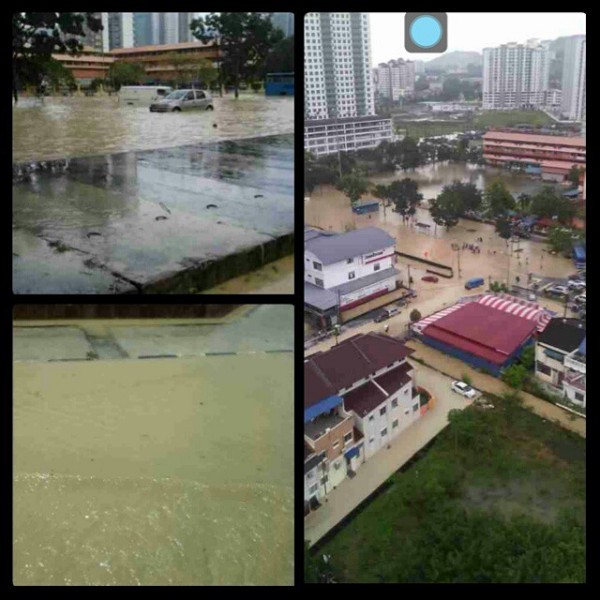
In 2025 the World Meteorological Organization reported that atmospheric greenhouse gas concentrations reached unprecedented levels, highlighting accelerating climate change and prompting urgent global action.
Quick Answer
Greenhouse gases are heat‑trapping gases such as carbon dioxide (CO₂), methane (CH₄) and nitrous oxide (N₂O) that accumulate in the atmosphere. In its 2025 annual assessment, the World Meteorological Organization (WMO) documented that the global mean CO₂ concentration rose to 424 ppm, methane to 1 910 ppb and nitrous oxide to 334 ppb—each a record high for the instrumental era. Multiple lines of observation indicate that these increases are driven principally by fossil‑fuel combustion, agriculture and land‑use change, and they intensify the greenhouse effect, leading to higher average surface temperatures, altered precipitation patterns and rising sea levels. While the upward trend is robust, uncertainties remain regarding the exact magnitude of future feedbacks from permafrost thaw and ecosystem carbon release.
Key Takeaways
- 2025 saw the highest observed concentrations of CO₂, CH₄ and N₂O since systematic monitoring began.
- Human activities—especially fossil‑fuel use, intensive agriculture and deforestation—are the primary sources of the rise.
- Record levels amplify global warming, contributing to more frequent heatwaves, stronger storms and sea‑level rise.
- High‑confidence findings confirm the warming influence of these gases; uncertainties focus on future natural feedbacks.
- Mitigation requires rapid decarbonisation, methane‑focused policies and protection of carbon‑rich ecosystems.
What Is Greenhouse Gas Levels Hit Record Highs in 2025 WMO Confirms?
The phrase refers to the WMO’s 2025 Global Climate Report, which documented that atmospheric concentrations of the main long‑lived greenhouse gases—CO₂, CH₄ and N₂O—reached values never previously recorded in the modern instrumental record (post‑1950). These concentrations are measured in parts per million (ppm) for CO₂ and parts per billion (ppb) for CH₄ and N₂O at a network of surface stations, aircraft, and satellite sensors. The report aggregates data worldwide, providing a single, comparable metric that captures the cumulative effect of emissions on the planet’s radiative balance.
How Does It Work?
Physical and Chemical Basis
Greenhouse gases absorb infrared radiation emitted by Earth’s surface and re‑emit it in all directions, including back toward the surface. This process, known as the greenhouse effect, raises the average temperature of the lower atmosphere. CO₂ absorbs strongly at wavelengths around 15 µm, methane at 7.6 µm, and nitrous oxide at 7.8 µm, each adding to the overall heat‑trapping capacity.
Sources and Sinks
- Fossil‑fuel combustion releases CO₂ directly and produces CH₄ as a by‑product of natural gas leakage.
- Agriculture contributes CH₄ from enteric fermentation in ruminants and N₂O from synthetic fertilizer application.
- Land‑use change such as deforestation reduces the biosphere’s capacity to absorb CO₂ and can release stored carbon.
- Natural processes like wetlands emit CH₄, while oceans and forests act as major sinks, absorbing a portion of anthropogenic emissions.
Feedback Loops
Warming can trigger feedbacks that release additional greenhouse gases: permafrost thaw liberates CH₄ and CO₂; warmer oceans hold less dissolved CO₂; and vegetation stress can reduce carbon uptake. These feedbacks amplify the initial warming, creating a non‑linear response that is a focus of ongoing research.
What Does the Evidence Show?
Long‑term monitoring by the Global Atmosphere Watch network, satellite missions such as NASA’s OCO‑2 and ESA’s Sentinel‑5P, and ice‑core reconstructions together confirm a clear upward trajectory for all three gases over the past eight decades. The Intergovernmental Panel on Climate Change (IPCC) Sixth Assessment Report (2021) cites a >50 % increase in atmospheric CO₂ since pre‑industrial levels (≈280 ppm). The WMO’s 2025 dataset shows the latest annual mean CO₂ at 424 ppm, CH₄ at 1 910 ppb and N₂O at 334 ppb, each surpassing the previous record. Attribution studies using isotopic signatures and emission inventories consistently link the majority of the rise to anthropogenic activities.
Main Causes or Drivers
Direct Causes
- Burning of coal, oil and natural gas for energy production.
- Industrial processes such as cement manufacturing that emit CO₂.
- Enteric fermentation in livestock and rice paddies emitting CH₄.
- Application of nitrogen‑based fertilizers releasing N₂O.
Underlying Drivers
- Global economic growth and rising energy demand, especially in emerging economies.
- Urbanisation and infrastructure expansion that increase fossil‑fuel use.
- Insufficient climate policies and delayed implementation of mitigation measures.
- Land‑use policies that favour agricultural expansion over forest conservation.
Environmental and Human Impacts
Environmental Impacts
- Accelerated global warming leading to more frequent heatwaves and altered precipitation patterns.
- Ocean acidification as higher CO₂ dissolves in seawater, threatening coral reefs and shell‑forming organisms.
- Melting of glaciers and polar ice, contributing to sea‑level rise and loss of freshwater resources.
- Shifts in species distributions and increased risk of biodiversity loss.
Human Health and Social Impacts
- Higher incidence of heat‑related illnesses and mortality, especially among vulnerable populations.
- Expanded range of vector‑borne diseases as mosquitoes thrive in warmer climates.
- Food‑security challenges from altered crop yields and increased pest pressure.
- Displacement of coastal communities due to rising seas and intensified storm surges.
Regional Differences
While atmospheric concentrations are globally uniform, the rate of increase and resulting impacts vary regionally. High‑income nations often have higher per‑capita emissions but more resources for adaptation, whereas many low‑income countries experience disproportionate exposure to climate hazards despite contributing less to the total emissions. For example, South‑Asian monsoon variability has intensified, affecting agriculture for over a billion people, while Arctic regions experience warming at more than twice the global average, accelerating permafrost thaw.
What Scientists Know With High Confidence
- The greenhouse effect of CO₂, CH₄ and N₂O is well‑established through laboratory spectroscopy and atmospheric observations.
- Human activities are the dominant source of the observed increase in these gases since the mid‑20th century.
- Rising concentrations are directly linked to the observed global mean surface temperature increase of ~1.1 °C above pre‑industrial levels.
- Continued emissions at current rates will likely exceed 1.5 °C of warming within the next two decades.
What Remains Uncertain
Key uncertainties centre on the magnitude of climate feedbacks from permafrost carbon release, the response of tropical forests to drought, and the exact trajectory of methane emissions from the expanding natural‑gas sector. These gaps arise from limited long‑term observations in remote regions and from the complex interactions between climate, land use and socioeconomic pathways. Improving satellite monitoring and expanding ground‑based networks are critical for reducing these uncertainties.
Common Misconceptions
Misconception: Record levels mean the climate is now “out of control” and nothing can be done.
Reality: While the trend is alarming, mitigation actions that reduce emissions can still limit further warming and avoid the most severe impacts, as demonstrated by scenario analyses in the IPCC reports.
Misconception: Only CO₂ matters; methane and nitrous oxide are negligible.
Reality: Methane has over 25 times the warming potential of CO₂ over a 100‑year horizon, and nitrous oxide is about 300 times more potent; together they contribute substantially to radiative forcing.
Misconception: Natural processes will absorb all excess emissions.
Reality: Observations show that natural sinks are already saturated in many regions, and their capacity to take up additional CO₂ is expected to decline as the climate warms.
Solutions and Limitations
Effective responses combine mitigation, adaptation and conservation. Decarbonising electricity through wind, solar and nuclear reduces CO₂ emissions, yet the transition requires massive investment, grid upgrades and policy stability. Methane mitigation—capturing leaks, improving livestock diets and managing waste—offers rapid climate benefits, but implementation costs and regulatory frameworks differ across regions. Protecting and restoring forests enhances carbon sinks, yet land‑competition and governance challenges can limit scale. Carbon‑capture and storage (CCS) technologies can address hard‑to‑abate sectors, but they remain expensive and energy‑intensive, requiring supportive policy incentives.
What Individuals, Communities, and Governments Can Do
What Individuals Can Do
- Reduce personal energy use by improving home insulation and choosing renewable electricity where available.
- Adopt lower‑carbon diets, such as reducing beef consumption, to cut methane‑related emissions.
- Support policies and candidates that prioritize climate action.
What Communities and Organizations Can Do
- Develop local renewable energy projects and micro‑grids to lower reliance on fossil fuels.
- Implement community composting and waste‑capture programs that lower methane emissions from landfills.
- Engage in urban greening and tree‑planting initiatives that sequester CO₂ while providing co‑benefits.
What Governments Can Do
- Enact and enforce carbon pricing mechanisms that internalise the climate cost of fossil fuels.
- Set ambitious, legally binding national targets for CO₂, CH₄ and N₂O reductions in line with the Paris Agreement.
- Invest in research, deployment and scaling of low‑carbon technologies, including CCS and advanced renewables.
- Strengthen monitoring networks and data sharing to track emissions and atmospheric concentrations accurately.
Synthesis
The WMO’s 2025 confirmation of record greenhouse‑gas concentrations underscores a clear, science‑based signal: human‑driven emissions are accelerating climate change at an unprecedented rate. Robust evidence links these gases to global warming, sea‑level rise and diverse ecological and social impacts, while uncertainties focus on feedback magnitude and future emission pathways. Mitigation strategies—decarbonising energy, curbing methane, protecting forests and advancing carbon‑capture—offer measurable pathways to limit warming, but each carries cost, scalability and equity considerations. Collective action across individuals, communities, businesses and governments remains essential to bend the trajectory toward a resilient, low‑carbon future.
Frequently Asked Questions
What are the main greenhouse gases highlighted by the WMO for 2025?
The WMO identified carbon dioxide (CO₂), methane (CH₄) and nitrous oxide (N₂O) as the three long‑lived greenhouse gases that reached record atmospheric concentrations in 2025.
Why do greenhouse gases cause global warming?
Greenhouse gases absorb infrared radiation emitted by Earth’s surface and re‑emit it in all directions, trapping heat in the lower atmosphere and raising global average temperatures.
Which human activities contribute most to the rise in methane?
The largest anthropogenic methane sources are livestock enteric fermentation, rice‑paddy cultivation, natural‑gas production and distribution leaks, and waste‑management practices such as landfill decomposition.
What is the most significant uncertainty in future greenhouse‑gas projections?
The greatest uncertainty lies in how natural feedbacks—especially carbon release from thawing permafrost and changes in tropical forest carbon uptake—will amplify or dampen future atmospheric concentrations.
How can individuals help reduce greenhouse‑gas emissions?
Individuals can lower emissions by improving home energy efficiency, choosing renewable electricity, reducing meat consumption, especially beef, and supporting climate‑positive policies and leaders.







Leave a Comment