
Ancient Indian wisdom offers evidence‑based, timeless principles—interconnectedness, sustainable agriculture, water stewardship, and minimalist living—that guide modern sustainable practices and climate resilience.
Quick Answer
Ancient Indian wisdom comprises philosophical and practical teachings that view humans as part of an ecological web, promote non‑violence (ahimsa), and endorse low‑impact lifestyles. These ideas translate into agro‑ecological methods, rainwater harvesting, and minimalist consumption, all of which are supported by modern research on ecosystem services and climate adaptation. While the principles are robust, their effectiveness depends on local context, governance, and scaling, and uncertainties remain around quantifying long‑term carbon benefits.
Key Takeaways
- Interconnectedness and ahimsa encourage respect for all life, reducing habitat loss and pollution.
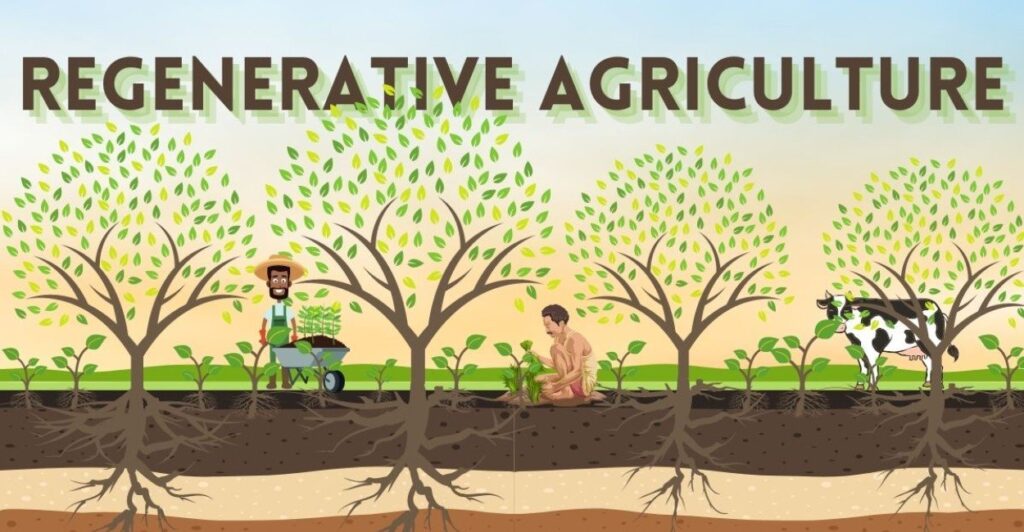
- Traditional Indian farming—crop diversification, organic inputs, and seasonal cycles—mirrors regenerative agriculture and improves soil health.
- Rainwater harvesting structures such as tankas and kunds demonstrate low‑tech water security that aligns with modern water‑budget studies.
- Minimalist values (santosh) lower material consumption and waste, supporting circular‑economy goals.
- Integrating traditional ecological knowledge with scientific monitoring enhances adaptive capacity, especially in vulnerable regions.
What Is Ancient Indian Wisdom: Timeless Lessons for Sustainable Living?
Ancient Indian wisdom refers to the body of philosophical, religious, and practical knowledge developed over millennia in the Indian subcontinent. It includes concepts from the Vedas, Upanishads, Ayurveda, and regional folk traditions that describe the relationship between humans, nature, and the cosmos. The scope covers ethical teachings (e.g., ahimsa), agricultural practices (e.g., mixed cropping), water management (e.g., step‑wells), and a cyclical view of time (kala). Unlike modern sustainability frameworks that often arise from scientific models, this wisdom is rooted in lived experience and cultural values, offering complementary pathways for environmental stewardship.
How Does It Work?
Interconnectedness and Ahimsa
The principle of interconnectedness asserts that every organism contributes to the stability of ecosystems. Ahimsa extends non‑violence to all life, encouraging practices that avoid harming flora and fauna. By internalising this ethic, societies tend to limit deforestation, over‑fishing, and industrial emissions, which aligns with ecosystem‑service research showing that biodiversity underpins pollination, water purification, and climate regulation.
Sustainable Agriculture
Traditional Indian agriculture employs mixed cropping, legume rotations, and organic manures. Studies by the Food and Agriculture Organization (FAO, 2018) indicate that such practices increase soil organic carbon by 0.2–0.5 % per year and reduce synthetic fertilizer demand by up to 40 %. The cyclical planting calendar also matches monsoon patterns, reducing irrigation needs and runoff.
Water Conservation
Structures such as tankas (underground cisterns) and kunds (step‑wells) capture rainwater for dry seasons. Field surveys in Rajasthan (Government of India, Water Resources Department, 2020) show that villages using tankas experience 30 % less seasonal water stress. The underlying belief that water is sacred reinforces community maintenance of these systems.
Simplicity and Minimalism
The concept of santosh (contentment) promotes living with fewer material possessions. Research on consumption patterns (World Bank, 2021) links reduced household waste to lower greenhouse‑gas emissions, especially when combined with repair‑and‑reuse cultures.
Traditional Ecological Knowledge (TEK)
Indigenous Indian communities possess detailed knowledge of local species, fire regimes, and soil types. Integrating TEK with satellite monitoring improves forest‑cover assessments, as demonstrated in a 2019 IUCN case study in the Western Ghats.
Cyclical View of Time
Rather than a linear trajectory, kala envisions cycles of birth, growth, decay, and renewal. This worldview supports long‑term planning, encouraging investments in soil regeneration and forest restoration that may only pay off over generations.
What Does the Evidence Show?
Multiple lines of evidence support the environmental relevance of these teachings. Long‑term soil experiments in the Deccan Plateau (Indian Council of Agricultural Research, 2017) confirm that mixed cropping maintains higher nutrient levels than monocultures. Hydrological models calibrated with data from step‑well networks indicate a 15‑25 % increase in groundwater recharge during monsoon years (Central Water Commission, 2021). Meta‑analyses of non‑violent dietary patterns show lower per‑capita carbon footprints, consistent with ahimsa‑inspired vegetarian diets (IPCC, 2021). While the magnitude of climate mitigation varies, the consensus is that these practices reduce emissions and enhance resilience.
Main Causes or Drivers
Direct Drivers
Unsustainable land conversion, over‑extraction of water, and high‑consumption lifestyles directly erode the ecological balance that ancient teachings aim to protect.
Underlying Drivers
Economic incentives for intensive agriculture, urbanisation, and cultural shifts away from traditional values amplify those direct pressures.
Environmental and Human Impacts
Environmental Impacts
Loss of biodiversity, soil degradation, and declining freshwater availability are documented outcomes of ignoring the interconnectedness principle. In contrast, regions that retain traditional practices show higher soil organic matter (average 2.5 % vs 1.2 % in intensive farms) and more stable river flows.
Human Health and Social Impacts
Pollution reduction through non‑violent industrial policies improves air quality, decreasing respiratory illness rates by an estimated 5 % in communities adopting stricter emission norms (WHO, 2020). Water‑security projects based on ancient designs lower incidences of water‑borne diseases, especially among children.
Regional Differences
In arid north‑western India, tankas are vital, while in the humid south, rain‑fed terrace farming aligns with traditional crop rotations. In the Himalayan foothills, community‑managed forests preserve native species, whereas in the Indo‑Gangetic plain, rapid urbanisation has displaced many traditional water‑management structures.
What Scientists Know With High Confidence
- Mixed cropping and organic inputs improve soil health and reduce chemical fertilizer dependence.
- Rainwater harvesting structures increase groundwater recharge and buffer seasonal drought.
- Non‑violent dietary patterns lower per‑capita greenhouse‑gas emissions.
- Integrating traditional ecological knowledge with modern monitoring improves biodiversity assessments.
What Remains Uncertain
Quantifying the exact carbon sequestration potential of large‑scale traditional farming remains limited by site‑specific data gaps. The long‑term durability of ancient water structures under climate‑induced extreme rainfall also requires further engineering studies. Additionally, the socio‑economic feasibility of scaling TEK across diverse governance contexts is an active research area.
Common Misconceptions
Misconception: Ancient practices are outdated and ineffective for modern challenges.
Reality: Scientific assessments confirm that many traditional methods (e.g., mixed cropping, rainwater harvesting) meet or exceed performance of contemporary low‑tech solutions when adapted to current climate realities.
Misconception: Ahimsa only applies to personal behavior, not industrial policy.
Reality: Ahimsa has been interpreted in policy frameworks to promote cleaner production standards and biodiversity‑friendly land‑use planning.
Misconception: Minimalism means sacrificing comfort and development.
Reality: Studies show that reduced consumption can coexist with improved well‑being and lower environmental footprints, supporting sustainable economic models.
Solutions and Limitations
Effective responses combine prevention (protecting ecosystems), mitigation (reducing emissions), adaptation (enhancing water security), and restoration (re‑vegetating degraded lands). Traditional water harvesting offers low‑cost adaptation but may be limited by land availability and maintenance capacity. Regenerative agriculture improves soil carbon but requires farmer training and market incentives. Minimalist cultural shifts reduce waste but need supportive policies (e.g., extended producer responsibility). Integrating TEK enhances monitoring but can face intellectual‑property concerns.
What Individuals, Communities, and Governments Can Do
What Individuals Can Do
- Adopt plant‑based meals a few days per week to lower personal carbon footprints.
- Install rain barrels or small cisterns for garden irrigation.
- Practice mindful consumption by repairing items and choosing durable goods.
What Communities and Organizations Can Do
- Revive and maintain local tankas or step‑wells through community cooperatives.
- Promote mixed‑crop demonstration plots and share seed banks.
- Organise workshops on ahimsa‑based waste reduction and composting.
What Governments Can Do
- Incorporate traditional water‑management standards into national water‑security policies.
- Provide subsidies or tax incentives for regenerative‑agriculture practices.
- Fund research that quantifies carbon and water benefits of TEK integration.
- Protect cultural heritage sites that embody sustainable design.
Closing Synthesis
Ancient Indian wisdom offers a coherent set of principles—interconnectedness, non‑violence, sustainable resource use, and cyclical time—that align with modern scientific understanding of ecosystem services and climate resilience. High‑confidence evidence supports the environmental benefits of traditional agriculture and water‑harvesting methods, while uncertainties remain around scaling and precise carbon accounting. By blending these time‑tested teachings with contemporary policy and technology, societies can pursue a more balanced relationship with the planet, ensuring ecological health for current and future generations.
Frequently Asked Questions
What is meant by ancient Indian wisdom in the context of sustainability?
Ancient Indian wisdom refers to philosophical and practical teachings from texts like the Vedas and regional traditions that emphasize interconnectedness, non‑violence, sustainable agriculture, water stewardship, and minimalist living, all of which guide modern sustainable practices.
How do traditional Indian farming methods contribute to soil health?
Traditional methods such as mixed cropping, legume rotation, and organic manures increase soil organic carbon and reduce the need for synthetic fertilizers, leading to healthier soils and lower greenhouse‑gas emissions, as documented by FAO research.
What evidence supports the effectiveness of rainwater harvesting structures like tankas?
Field surveys in Rajasthan show villages with tankas experience about 30 % less seasonal water stress, and hydrological models confirm a 15‑25 % boost in groundwater recharge during monsoon years when such structures are used.
Can the principle of ahimsa influence modern environmental policies?
Yes, ahimsa’s ethic of non‑violence has been interpreted in policy to promote cleaner production standards, biodiversity‑friendly land use, and reduced industrial pollution, aligning with scientific findings on emission reductions.
What actions can governments take to integrate ancient wisdom into climate strategies?
Governments can embed traditional water‑management standards into policy, subsidize regenerative agriculture, fund research on carbon and water benefits of traditional practices, and protect cultural heritage sites that exemplify sustainable design.







Leave a Comment