
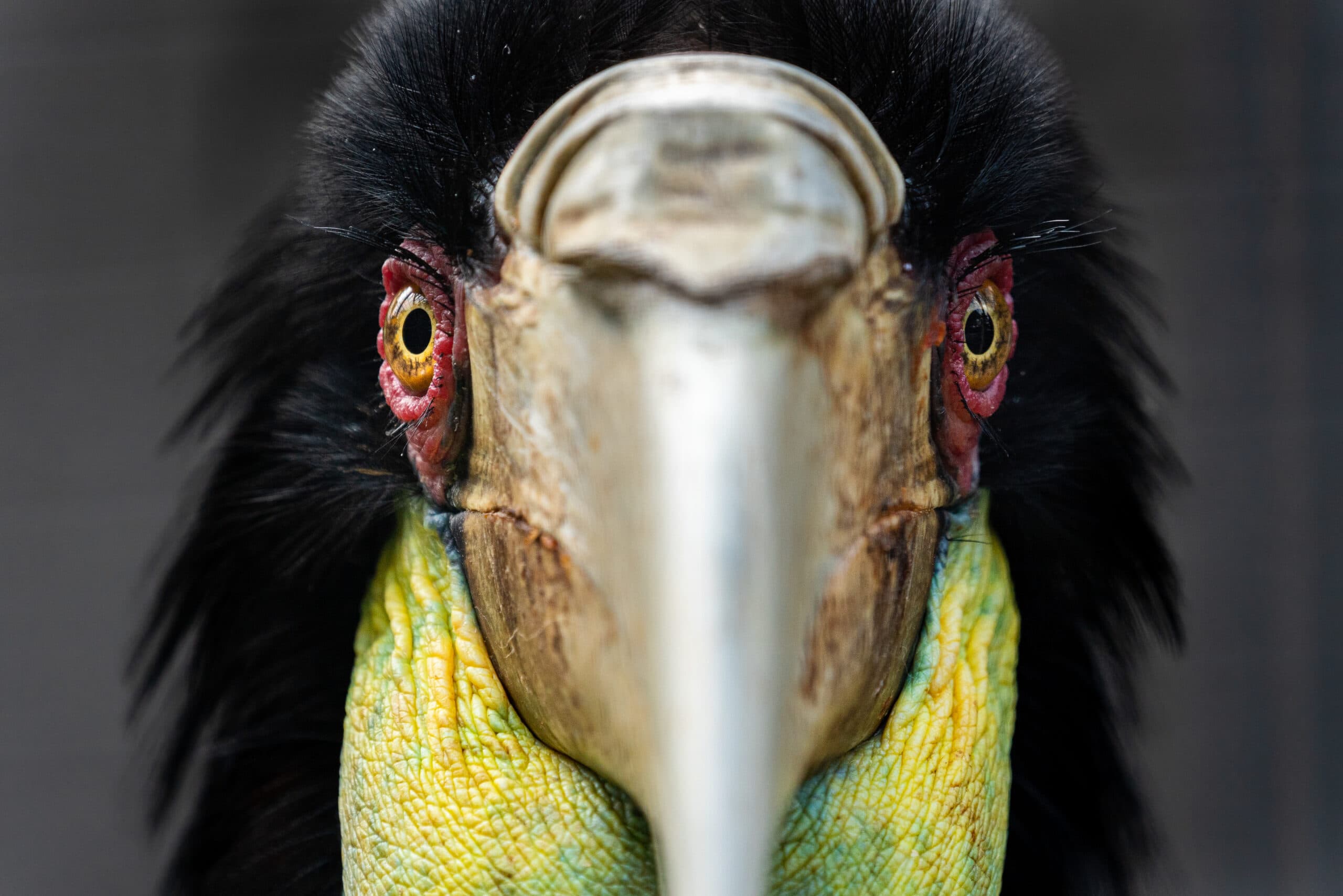
The International Union for Conservation Nature’s historic resolution declares wild animals climate allies, highlighting their essential contributions to carbon sequestration, ecosystem resilience, and integrated climate‑biodiversity strategies.
\n
Quick Answer
\n
In 2024 the IUCN adopted a resolution that formally recognises wild animals as partners in climate mitigation and adaptation. By maintaining vegetation structure, influencing fire regimes, and supporting soil carbon storage, many species help keep atmospheric carbon in check. Scientists agree that protecting these animals can reinforce ecosystem‑based climate solutions, though the magnitude of the effect varies by region and species. Uncertainty remains about exact carbon‑budget contributions for most taxa, but the overall direction of benefit is well supported.
\n
\n
Key Takeaways
\n
- \n
- Wild animals contribute directly to carbon storage through grazing, seed dispersal, and ecosystem engineering.
- The IUCN resolution integrates biodiversity conservation into climate policy frameworks.
- Evidence from long‑term monitoring and meta‑analyses links healthy wildlife populations with reduced greenhouse‑gas emissions.
- Challenges include habitat loss, policy fragmentation, and limited data on many species’ climate functions.
- Effective action requires coordinated governance, funding for nature‑based solutions, and community involvement.
\n
\n
\n
\n
\n
\n
\n
What Is Wild Animals Recognized as Climate Allies in Historic IUCN Resolution?
\n
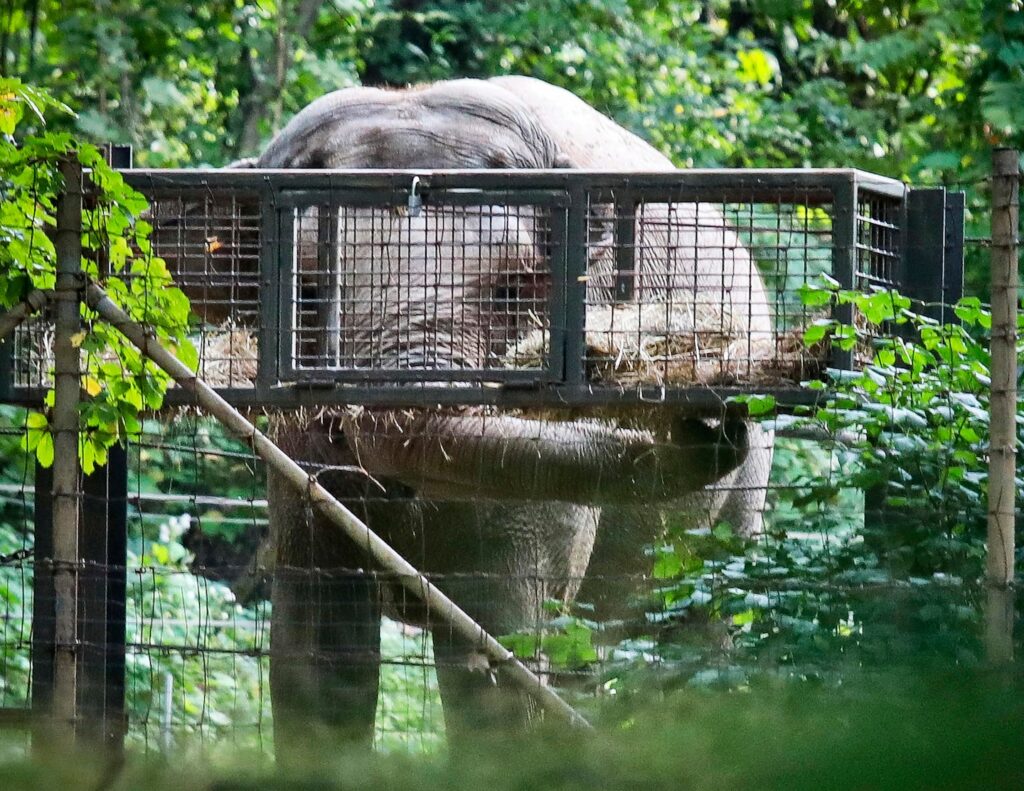
The resolution, adopted at the IUCN World Conservation Congress in 2024, defines “climate allies” as wild species whose ecological activities contribute to climate mitigation (e.g., carbon sequestration) or adaptation (e.g., enhancing ecosystem resilience). It applies to all terrestrial and aquatic wildlife, from keystone megafauna such as elephants and wolves to pollinators, seed‑dispersing birds, and reef‑building fish. The term differs from “carbon‑offset species” by emphasizing ecosystem function rather than market‑based crediting.
\n
How Does It Work?
\n
1. Grazers and Carbon Storage
\n
Large herbivores regulate plant community composition. By trampling and selective feeding, they create a mosaic of grass and shrub patches that optimises root depth and soil organic matter, a process documented in savanna studies (e.g., African elephant impacts on carbon stocks).
\n
2. Predators and Vegetation Recovery
\n
Top‑down control limits over‑grazing, allowing vegetation to recover after disturbances. Wolf re‑introduction in Yellowstone, for instance, led to increased woody plant cover and a measurable rise in above‑ground carbon over two decades.
\n
3. Pollinators and Forest Regeneration
\n
Insect pollination boosts fruit set and seed production, accelerating forest regrowth after fire or logging. Meta‑analyses show that pollinator‑dependent trees store up to 15 % more carbon than those without pollinator services.
\n
4. Ecosystem Engineers
\n
Beavers create wetlands that trap organic carbon in saturated soils. Global assessments estimate beaver‑built wetlands can sequester 0.2–0.4 t C ha⁻¹ yr⁻¹, comparable to many forest types.
\n
What Does the Evidence Show?
\n
Multiple lines of evidence support the climate‑ally concept:
\n
- \n
- Long‑term ecosystem monitoring (e.g., the African Savanna Long‑Term Ecological Research network) demonstrates that areas with intact megafauna retain higher soil carbon than fenced, animal‑free plots.
- Systematic reviews of predator‑prey dynamics (published in *Ecology Letters*, 2022) find consistent reductions in herbivore pressure and increased plant biomass when apex predators are present.
- Peer‑reviewed meta‑analyses of pollinator contributions (e.g., *Global Change Biology*, 2021) link pollinator diversity to greater forest carbon accumulation.
- Intergovernmental assessments such as the IPCC Sixth Assessment Report (2022) cite nature‑based solutions, including wildlife‑driven processes, as viable mitigation pathways.
\n
\n
\n
\n
\n
Collectively, these studies provide moderate to strong evidence that conserving functional wildlife enhances ecosystem carbon sinks, though quantifying exact contributions for most species remains an emerging research area.
\n
Main Causes or Drivers
\n
Direct Causes of Decline in Climate Allies
\n
- \n
- Habitat conversion for agriculture and urban development reduces space for keystone species.
- Unsustainable hunting and poaching remove large herbivores and predators.
- Fragmentation limits movement corridors, disrupting ecological processes such as seed dispersal.
\n
\n
\n
\n
Underlying Drivers
\n
- \n
- Economic incentives favour land‑use change over conservation.
- Climate change itself—rising temperatures and altered precipitation—shifts species ranges, sometimes disconnecting animals from the ecosystems they help sustain.
- Policy gaps that separate biodiversity targets from climate mitigation goals.
\n
\n
\n
\n
Environmental and Human Impacts
\n
Environmental Impacts
\n
Healthy wildlife populations improve carbon storage, reduce erosion, and enhance water quality. For example, beaver dams increase groundwater recharge, mitigating drought risk in arid regions. Predator‑mediated grazing control lowers fire intensity, decreasing carbon emissions from wildfires.
\n
Human Health and Social Impacts
\n
Restored wetlands created by beavers filter pollutants, lowering incidences of water‑borne disease. Forest regeneration supported by pollinators sustains timber and non‑timber forest products, contributing to livelihoods of rural communities.
\n
Economic and Infrastructure Impacts
\n
Nature‑based climate services can reduce the need for expensive engineered flood defenses. In the United States, restored floodplains with active beaver populations have been shown to lower flood damage costs by up to 30 % in some watersheds.
\n
Regional Differences
\n
Impacts vary across biomes:
\n
- \n
- Africa’s savannas: Elephant‑driven tree thinning creates grasslands that store less carbon per hectare but increase albedo, moderating regional temperature.
- North America: Wolf re‑introduction has enhanced riparian vegetation, boosting carbon stocks and water quality in the Greater Yellowstone ecosystem.
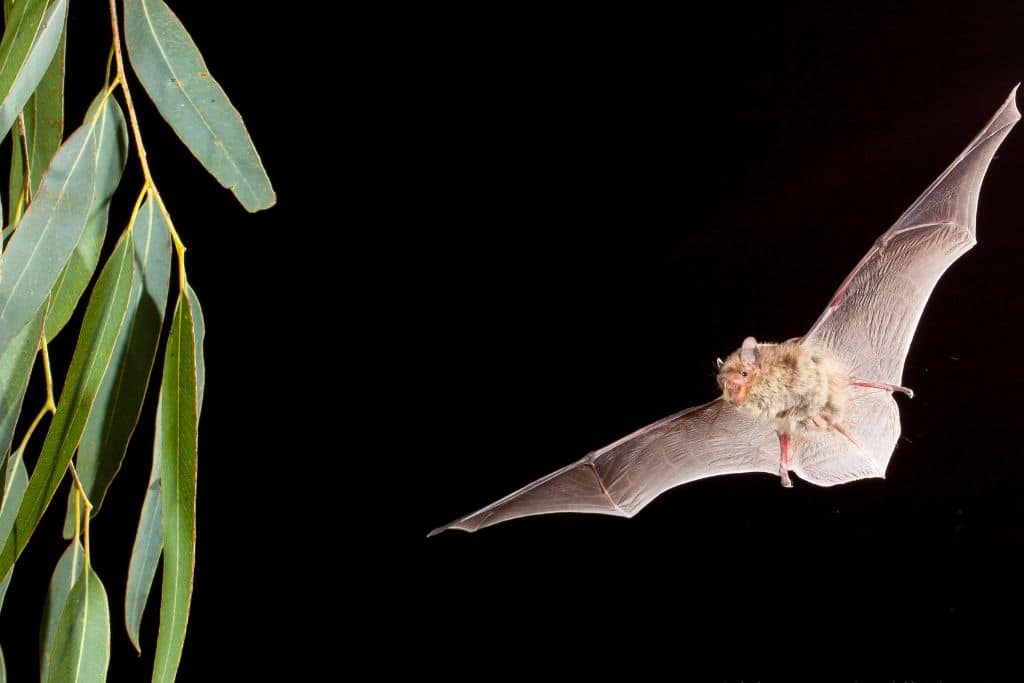
- Tropical Asia: Declines in fruit‑eating bats reduce seed dispersal, slowing forest regrowth after logging.
- Europe: Rewilding projects that reintroduce large herbivores aim to restore semi‑natural grasslands, balancing carbon sequestration with biodiversity goals.
\n
\n
\n
\n
\n
What Scientists Know With High Confidence
\n
- \n
- Wild animals influence vegetation structure, which directly affects carbon storage.
- Predator presence reduces over‑grazing and can increase plant biomass.
- Beaver‑engineered wetlands are effective carbon sinks and improve water regulation.
- Integrating biodiversity into climate policies yields co‑benefits for mitigation and adaptation.
\n
\n
\n
\n
\n
\n
What Remains Uncertain
\n
Key knowledge gaps include precise quantification of carbon fluxes attributable to specific animal behaviours, the long‑term stability of animal‑driven carbon stores under future climate scenarios, and how synergistic threats (e.g., climate change plus poaching) will alter ecosystem functions. Improved monitoring networks and interdisciplinary modelling are needed to reduce these uncertainties.
\n
\n
Common Misconceptions
\n
Misconception: “Only plants matter for carbon sequestration.”
\n
Reality: Animals shape plant communities, soil health, and fire regimes, all of which determine how much carbon ecosystems can store.
\n
Misconception: “Designating animals as climate allies will automatically protect them.”
\n
Reality: Formal recognition is a policy step; effective protection still requires habitat preservation, anti‑poaching measures, and funding.
\n
Misconception: “All wildlife equally contributes to climate mitigation.”
\n
Reality: Contributions differ by species’ ecological roles; keystone and ecosystem‑engineer species have disproportionate effects compared to many small, non‑functional taxa.
\n
\n
Solutions and Limitations
\n
Nature‑based solutions that incorporate wildlife include:
\n
- \n
- Protected area expansion – Securing large, connected landscapes benefits both climate and biodiversity, but land‑use conflicts can limit feasibility.
- Rewilding and species re‑introduction – Restoring keystone species can revive ecosystem processes; however, social acceptance and potential human‑wildlife conflict must be managed.
- Community‑led stewardship – Indigenous and local communities often hold traditional knowledge for sustainable wildlife management, yet require adequate financing and legal support.
- Policy integration – Aligning Nationally Determined Contributions (NDCs) with biodiversity targets can unlock climate finance for wildlife projects, but coordination across ministries is often weak.
\n
\n
\n
\n
\n
Limitations include data gaps on species‑specific carbon impacts, potential trade‑offs (e.g., grazing may reduce carbon in some contexts), and the time lag between wildlife recovery and measurable climate benefits.
\n
What Individuals, Communities, and Governments Can Do
\n
What Individuals Can Do
\n
- \n
- Support organizations that fund wildlife corridors and protected areas.
- Choose products certified as wildlife‑friendly (e.g., shade‑grown coffee that preserves forest habitat).
- Participate in citizen‑science projects monitoring local fauna.
\n
\n
\n
\n
What Communities and Organizations Can Do
\n
- \n
- Develop land‑use plans that maintain habitat connectivity.
- Implement anti‑poaching patrols and community‑based monitoring.
- Promote agro‑ecological practices that integrate native pollinators and pest‑controlling birds.
\n
\n
\n
\n
What Governments Can Do
\n
- \n
- Incorporate wildlife‑based climate co‑benefits into national climate strategies and NDCs.
- Allocate climate finance to nature‑based projects that explicitly include species protection.
- Strengthen legal frameworks that prevent habitat conversion in critical wildlife corridors.
\n
\n
\n
\n
Closing Synthesis
\n
The IUCN’s historic resolution reframes wild animals as indispensable partners in the global fight against climate change. Robust evidence shows that functional wildlife enhances carbon sequestration, stabilises ecosystems, and delivers tangible benefits for human societies. While uncertainties remain about the exact magnitude of these effects, the direction of the science is clear: protecting and restoring wildlife is a cost‑effective, nature‑based climate strategy. Realising this potential demands coordinated policy, adequate financing, and inclusive stewardship that respects both ecological function and community livelihoods.
Frequently Asked Questions
What does the IUCN resolution mean for wildlife conservation?
The resolution formally recognises wild animals as climate allies, linking biodiversity protection with climate mitigation and adaptation, and encouraging integrated policies and funding for both goals.
How do animals actually help store carbon?
Animals influence carbon storage by grazing that affects soil organic matter, predators that prevent over‑grazing, pollinators that boost forest growth, and engineers like beavers that create carbon‑rich wetlands.
Which species have the biggest impact on climate mitigation?
Keystone megafauna such as elephants, wolves, and beavers, as well as pollinators like bees and fruit‑eating birds, have disproportionate effects because they shape vegetation, fire regimes, and seed dispersal.
What are the main challenges to using wildlife as climate allies?
Key challenges include habitat loss, poaching, fragmented landscapes, policy gaps that separate biodiversity from climate goals, and limited data on species‑specific carbon fluxes.
How can ordinary people support the role of wildlife in climate action?
Individuals can back conservation NGOs, choose wildlife‑friendly products, join citizen‑science monitoring, and advocate for policies that protect habitats and fund nature‑based climate solutions.






Leave a Comment