
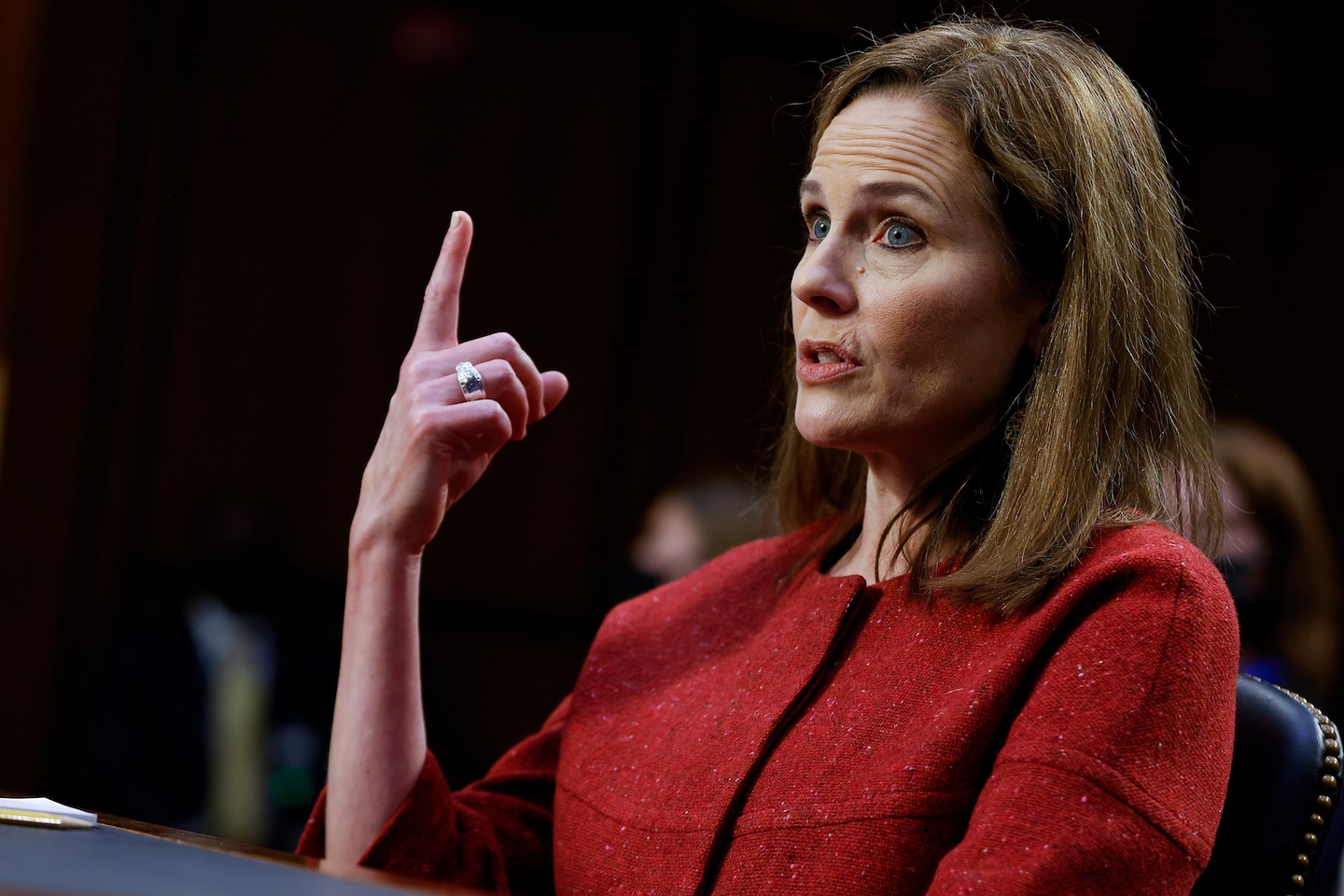
Justice Amy Coney Barrett’s originalist approach to constitutional interpretation can shape U.S. climate policy, affecting emissions regulation, environmental justice, and the broader global effort to limit warming.
Quick Answer
Amy Coney Barrett, a Supreme Court Justice appointed in 2020, interprets statutes through an originalist lens, which influences how courts assess the authority of agencies like the Environmental Protection Agency (EPA) to regulate greenhouse‑gas emissions. This judicial stance can either strengthen or weaken federal climate action, depending on how broadly or narrowly the Court defines agency power. While the Court’s decisions are legal, they have tangible environmental consequences, especially for vulnerable communities that rely on robust climate policies for health and safety. Uncertainty remains about how future cases will be decided, but the potential impact on climate mitigation and adaptation is significant.
Key Takeaways
- Barrett’s originalist philosophy may limit the EPA’s ability to regulate emissions under the Clean Air Act.
- Legal rulings shape the speed and scope of federal climate policies, influencing national and global emission trajectories.
- Environmental justice cases could be affected, altering protections for low‑income and marginalized groups.
- Understanding the legal dimension is essential for policymakers, activists, and citizens who aim to address climate change.
What Is Amy Coney Barrett and Climate Change: Why the Debate Matters for Earth?
The phrase refers to the intersection of Justice Amy Coney Barrett’s judicial philosophy with the United States’ climate‑change governance. It encompasses how her interpretations of the Constitution and statutes influence the authority of federal agencies, the outcome of climate‑related lawsuits, and the broader policy environment that determines emissions limits, renewable‑energy incentives, and protections for communities facing climate impacts.
How Does It Work?
Judicial Review of Agency Authority
When a case challenges an agency’s rule, the Supreme Court decides whether the agency acted within the scope of its statutory authority. Barrett’s textualist approach asks whether the law’s language, as written at the time of enactment, clearly permits the agency’s action.
Impact on the EPA’s Greenhouse‑Gas Regulation
The EPA bases its greenhouse‑gas (GHG) authority on the Clean Air Act, which the Intergovernmental Panel on Climate Change (IPCC) identifies as a key legal tool for limiting emissions. A narrow reading could invalidate the EPA’s GHG rules, while a broader reading would uphold them.
Environmental Justice Litigation
Cases that allege disproportionate climate harms to vulnerable populations often rely on statutory protections (e.g., Title VI of the Civil Rights Act). Barrett’s decisions on standing, causation, and statutory scope affect whether such claims succeed.
What Does the Evidence Show?
Multiple assessments by the United Nations Environment Programme and the U.S. Environmental Protection Agency demonstrate that robust federal regulation of GHGs is linked to measurable reductions in national emissions. Historical analysis of Clean Air Act amendments shows that when courts upheld EPA authority, U.S. CO₂ emissions grew more slowly than during periods of legal restriction. Conversely, the 2014 Supreme Court decision in Utility Air Regulatory Group v. EPA limited the EPA’s ability to treat GHGs as a “regulated pollutant,” leading to a temporary slowdown in rulemaking.
Recent empirical work published in Science (2022) indicates that strong regulatory frameworks can cut projected warming by up to 0.3°C by 2050, a contribution comparable to major technological advances. These findings suggest that judicial outcomes directly influence climate trajectories.
Main Causes or Drivers
Legal Philosophy
Barrett’s originalism prioritizes the text of the Constitution and statutes as understood at the time of enactment, often limiting expansive interpretations that accommodate modern challenges.
Statutory Ambiguity
Many environmental statutes were written before the scientific consensus on climate change emerged, leaving room for divergent judicial readings.
Political Context
Appointments to the Court reflect broader political shifts that affect how aggressively courts support regulatory agencies.
Environmental and Human Impacts
Environmental Impacts
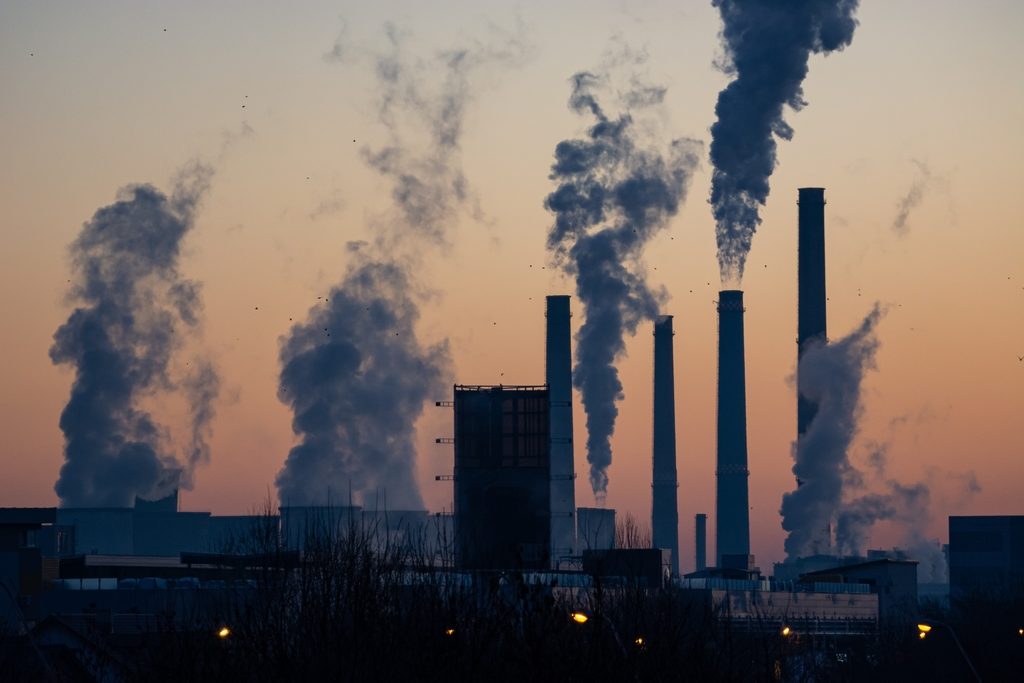
Restricting EPA authority could delay the implementation of carbon‑pricing mechanisms, fuel‑efficiency standards, and power‑plant emissions caps, potentially increasing atmospheric CO₂ concentrations. Higher concentrations amplify heatwaves, sea‑level rise, and ecosystem stress.
Human Health and Social Impacts
Communities near coal‑fired power plants often experience elevated rates of asthma and cardiovascular disease. Limiting GHG regulation may prolong exposure to these pollutants, disproportionately affecting low‑income neighborhoods and communities of color.
Economic and Infrastructure Impacts
Delays in climate policy can raise the cost of future adaptation measures, such as coastal flood defenses, by up to 20% according to a 2021 report from the National Oceanic and Atmospheric Administration (NOAA).
Regional Differences
The legal impact varies across the United States. States with aggressive climate legislation (e.g., California’s cap‑and‑trade program) may continue to enforce strict standards regardless of federal rulings, while states reliant on fossil‑fuel economies (e.g., West Virginia) could experience slower policy shifts if the Supreme Court curtails EPA authority.
What Scientists Know With High Confidence
What Scientists Know With High Confidence
- Human activities, especially fossil‑fuel combustion, are the dominant driver of global warming since the mid‑20th century (IPCC, 2021).
- Robust regulatory frameworks reduce national greenhouse‑gas emissions and mitigate temperature rise.
- Climate change disproportionately harms low‑income and marginalized communities.
- Legal decisions that limit climate regulation can delay emission reductions and increase adaptation costs.
What Remains Uncertain
What Remains Uncertain
Key uncertainties include how future Supreme Court compositions will interpret statutory language, the extent to which state‑level policies can compensate for potential federal rollbacks, and the precise economic magnitude of delayed climate action on long‑term infrastructure resilience.
Common Misconceptions
Common Misconceptions
Misconception: The Supreme Court directly sets carbon‑emission targets.
Reality: The Court interprets existing laws; it does not create policy goals. Emission targets arise from legislation and agency rulemaking.
Misconception: A single Justice can stop climate action entirely.
Reality: While a Justice’s vote can sway a decision, broader legal outcomes depend on the majority view and on how lower courts apply precedents.
Misconception: Climate change is only an environmental issue.
Reality: It is also a legal, economic, and social challenge, intersecting with civil rights, public health, and national security.
Solutions and Limitations
Effective climate response blends mitigation, adaptation, and justice‑oriented strategies. Key approaches include:
- Strengthening statutory language: Updating the Clean Air Act to explicitly reference greenhouse gases can reduce ambiguity, but legislative change requires congressional action.
- State‑level climate initiatives: Cap‑and‑trade or renewable‑energy standards can progress independently of federal rulings, yet they may lack uniformity and face political resistance.
- Judicial advocacy: Legal briefs that integrate robust scientific evidence can influence court reasoning, though success depends on judicial philosophy.
- Public participation: Engaging in comment periods for agency rulemaking can shape regulations before they reach the courts, yet it demands sustained civic effort.
Each solution carries trade‑offs: legislative updates may be slow; state actions can create a patchwork of standards; litigation is costly and uncertain; public participation requires resources and expertise.
What Individuals, Communities, and Governments Can Do
What Individuals Can Do
- Support organizations that provide scientific briefings to courts and legislators.
- Participate in public comment periods for EPA proposals.
- Advocate for local clean‑energy ordinances that complement federal policy.
What Communities and Organizations Can Do
- Form coalitions to monitor legal developments and mobilize rapid responses to adverse rulings.
- Invest in community‑scale renewable projects that reduce reliance on fossil fuels.
- Document climate‑related harms to strengthen future environmental‑justice lawsuits.
What Governments Can Do
- Pass legislation that clarifies agency authority over greenhouse gases, reducing reliance on judicial interpretation.
- Allocate funding for climate adaptation in vulnerable regions, mitigating potential setbacks from legal delays.
- Enhance inter‑agency coordination to ensure consistent messaging to the courts.
Closing Synthesis
The debate over Justice Amy Coney Barrett’s influence on climate change underscores how legal interpretation can accelerate or hinder environmental progress. High‑confidence science confirms that human‑driven warming demands swift policy action; legal uncertainty can slow that response, especially for communities already bearing the brunt of climate impacts. By strengthening statutes, supporting state initiatives, and engaging in informed civic participation, society can mitigate the risks posed by judicial ambiguity while continuing the transition to a low‑carbon future.
Frequently Asked Questions
How can a Supreme Court Justice affect climate policy?
A Justice interprets statutes and determines the scope of agency authority. When the Court rules on cases involving the EPA’s greenhouse‑gas regulations, it can either uphold or limit those rules, directly influencing national emission controls.
What is originalism and why does it matter for climate law?
Originalism is a judicial philosophy that limits interpretation to the text’s meaning at the time it was written. Applied to climate statutes drafted before modern climate science, it can restrict agencies from expanding regulations to address current warming challenges.
Which environmental impacts could result from a restrictive Supreme Court decision on the EPA?
A restrictive decision could delay carbon‑pricing, fuel‑efficiency standards, and power‑plant emission caps, potentially increasing CO₂ concentrations, worsening heatwaves, sea‑level rise, and related ecosystem stress.
How do state climate initiatives interact with federal legal decisions?
States can enact their own cap‑and‑trade programs, renewable‑energy standards, or emissions limits that operate independently of federal rulings. However, these policies may vary widely and can be limited by federal preemption or funding constraints.
What actions can ordinary citizens take to influence climate‑related court outcomes?
Individuals can submit comments during EPA rulemaking, support NGOs that provide scientific briefs to courts, and advocate for local clean‑energy policies that reinforce broader climate goals.







Leave a Comment