
America’s first direct air capture (DAC) facility began operating in California, showcasing a scalable technology that removes CO₂ from the atmosphere and stores it safely, while also creating jobs and research opportunities.
Quick Answer
Direct air capture (DAC) is a set of engineered processes that chemically bind carbon dioxide from ambient air, allowing it to be compressed and stored underground or reused. The newly opened California plant uses a solvent‑based system to pull CO₂ into contactors, then strips and compresses the gas for permanent geological sequestration. While the plant’s annual capture capacity is modest compared with global emissions, it provides a proof‑of‑concept for larger‑scale deployment and demonstrates that DAC can operate in a variety of locations. Uncertainty remains around long‑term cost trajectories and the speed at which DAC can be scaled to meet climate targets.
Key Takeaways
- DAC captures CO₂ directly from the atmosphere, independent of point‑source emissions.
- The California facility uses modular, solvent‑based technology that can be expanded as demand grows.
- Scientific consensus affirms that DAC can contribute to climate mitigation, but it is not a substitute for rapid emissions reductions.
- Economic viability depends on policy incentives, carbon pricing, and continued technological improvements.
- Jobs created span engineering, operations, and research, supporting local green‑economy development.
What Is America’s First Direct Air Capture Facility Opens in California?
The plant, located in the Mojave Desert, is the United States’ inaugural commercial‑scale DAC installation. It is designed to capture ambient CO₂, purify it, and inject the compressed gas into deep saline aquifers for permanent storage. Unlike traditional carbon capture that attaches to power plants or factories, DAC can be sited wherever suitable geology exists for storage, making it a flexible tool in the climate‑mitigation toolkit.
How Does It Work?
Step‑by‑Step Process
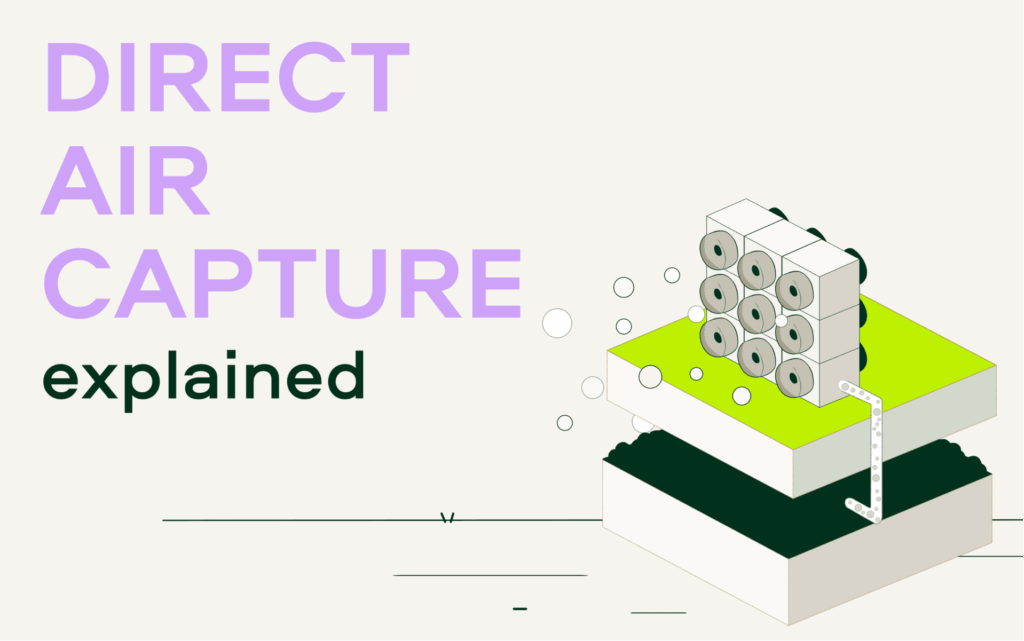
- Air Contact: Large fans draw ambient air through panels coated with a liquid solvent that chemically binds CO₂.
- CO₂ Release: Heated chambers release the captured CO₂ from the solvent, producing a concentrated gas stream.
- Compression: The CO₂ is compressed to a supercritical state, reducing its volume for transport.
- Transport & Injection: Pipelines move the supercritical CO₂ to a nearby geological formation, where it is injected at depths greater than 800 meters.
- Monitoring: Sensors and periodic surveys verify that the CO₂ remains trapped, providing verification for carbon‑credit registries.
Energy and Water Use
The process requires electricity to run fans and compressors, and low‑grade heat for solvent regeneration. The plant sources renewable electricity from a nearby solar farm, reducing its own carbon footprint. Water consumption is limited to cooling needs and is reclaimed through a closed‑loop system.
What Does the Evidence Show?
Peer‑reviewed assessments by the Intergovernmental Panel on Climate Change (IPCC) identify DAC as a viable negative‑emissions technology that can remove gigatons of CO₂ by mid‑century if deployed at scale. Pilot projects worldwide, including the Swiss Orca plant and several U.S. demonstrations, have shown capture efficiencies of 90 % or higher for the targeted solvent systems. Life‑cycle analyses published in the journal *Environmental Science & Technology* (2022) indicate that DAC’s net emissions can be negative when powered by low‑carbon electricity.
Main Causes or Drivers
Climate Change Imperative
Atmospheric CO₂ concentrations surpassed 420 ppm in 2023, a level not seen in millions of years (NOAA). Reducing these concentrations requires both rapid emissions cuts and removal of existing CO₂.
Policy and Market Signals
Federal tax credits for carbon removal (e.g., the 2022 Inflation Reduction Act) and state‑level carbon‑price mechanisms create financial incentives for DAC projects.
Technological Advances
Improved solvents, heat‑integrated designs, and modular construction have lowered the estimated cost per ton of CO₂ removed from $600–$1,000 in 2020 to $300–$500 in recent industry reports.
Environmental and Human Impacts
Environmental Impacts
- Carbon Removal: Each ton of captured CO₂ permanently stored reduces the atmospheric burden, contributing to temperature‑stabilization pathways.
- Land Use: The plant occupies less than 5 hectares, a footprint comparable to a small solar farm.
- Water Resources: Closed‑loop water use minimizes withdrawal from the desert ecosystem.
Human Health and Social Impacts
- Job Creation: The facility employs roughly 30 permanent staff and supports dozens of contract positions in construction, maintenance, and research.
- Community Engagement: Educational tours and partnership with local colleges provide training in carbon‑management skills.
- Public Perception: Transparent monitoring data help build trust and counter misconceptions about “hidden” emissions.
Regional Differences
DAC’s flexibility means that deployment can vary widely. In arid regions like California, abundant solar power and deep saline aquifers make the technology attractive. In contrast, humid coastal areas may face higher water‑use constraints but can leverage offshore wind for low‑carbon electricity. The economic case also differs: regions with carbon‑pricing schemes or strong climate policies see faster investment pipelines.
What Scientists Know With High Confidence
- CO₂ removal is necessary in addition to emission reductions to meet the Paris Agreement’s 1.5 °C goal (IPCC, 2021).
- DAC technologies can achieve capture efficiencies above 90 % for the targeted gas stream (peer‑reviewed pilot studies).
- Geological sequestration in deep saline formations has been demonstrated to retain CO₂ for thousands of years (U.S. EPA, 2020).
What Remains Uncertain
Key uncertainties include the future cost trajectory of large‑scale DAC, the scalability of renewable‑energy supply for thousands of plants, and the societal acceptance of widespread underground CO₂ storage. Ongoing field trials and long‑term monitoring will reduce these knowledge gaps.
Common Misconceptions
Misconception: DAC can replace the need to cut emissions.
Reality: DAC is a complement, not a substitute. The Intergovernmental Panel on Climate Change stresses that removal technologies must be paired with rapid decarbonization of energy, transport, and industry.
Misconception: DAC releases harmful pollutants.
Reality: The solvent‑based process emits negligible pollutants; the main by‑product is concentrated CO₂, which is either stored or reused.
Misconception: All captured CO₂ is permanently safe.
Reality: Long‑term containment relies on robust site selection, monitoring, and regulatory oversight. Leakage risk is low but not zero, and is managed through verification protocols.
Solutions and Limitations
DAC fits within a broader portfolio of climate solutions. Its strengths lie in removing diffuse emissions and providing a buffer for sectors that are hard to decarbonize, such as aviation. Limitations include high capital costs, energy demand, and the need for suitable geological storage sites. Scaling DAC will require coordinated policy incentives, carbon pricing, and integration with renewable energy expansion.
What Individuals, Communities, and Governments Can Do
What Individuals Can Do
- Support policies that fund carbon‑removal research and provide tax incentives for negative‑emissions projects.
- Choose low‑carbon products and reduce personal emissions to lower the overall demand for removal.
- Engage in local climate‑action groups that educate about DAC and other emerging technologies.
What Communities and Organizations Can Do
- Partner with DAC operators for workforce training programs and STEM outreach.
- Facilitate site‑selection studies that assess local geology for safe CO₂ storage.
- Integrate DAC into regional climate‑action plans as a complementary mitigation measure.
What Governments Can Do
- Implement clear, long‑term carbon‑pricing mechanisms that value negative emissions.
- Fund research on low‑energy solvents and heat‑integration to lower DAC costs.
- Establish robust permitting and monitoring frameworks for geological sequestration.
Closing Synthesis
The launch of America’s first direct air capture facility in California marks a tangible step toward scalable carbon removal. By chemically binding CO₂ from ambient air and storing it underground, the plant demonstrates that DAC can operate reliably, create skilled jobs, and serve as a research hub. High‑confidence science confirms that DAC can contribute meaningfully to climate goals, yet uncertainties around cost, energy supply, and long‑term storage remain. Successful deployment will depend on coordinated policy support, continued technological innovation, and public engagement, ensuring DAC becomes a reliable part of a diversified climate‑mitigation strategy.
Frequently Asked Questions
What is direct air capture and how does it differ from traditional carbon capture?
Direct air capture (DAC) removes CO₂ directly from ambient air using chemical solvents or sorbents, whereas traditional carbon capture typically attaches to point‑source emitters like power plants and captures CO₂ from flue gas.
Why is the location of the California DAC plant important?
The plant sits in the Mojave Desert where abundant solar energy provides low‑carbon electricity and deep saline aquifers allow safe, permanent CO₂ storage, illustrating DAC’s flexibility to operate wherever suitable geology and renewable power exist.
Can DAC replace the need to cut greenhouse‑gas emissions?
No. Scientific assessments, such as the IPCC reports, state that DAC must complement rapid emissions reductions; it cannot replace the need to decarbonize energy, transport, and industry.
What are the main economic challenges facing DAC technology?
High capital costs, energy demand, and the need for supportive carbon‑pricing or tax incentives are the primary economic hurdles that determine whether DAC can be deployed at the scale required for climate mitigation.
How does the California DAC facility contribute to local communities?
The facility creates skilled jobs, partners with local colleges for training, and offers educational tours that raise climate‑literacy, thereby supporting economic development and community engagement around clean‑technology innovation.





Leave a Comment