
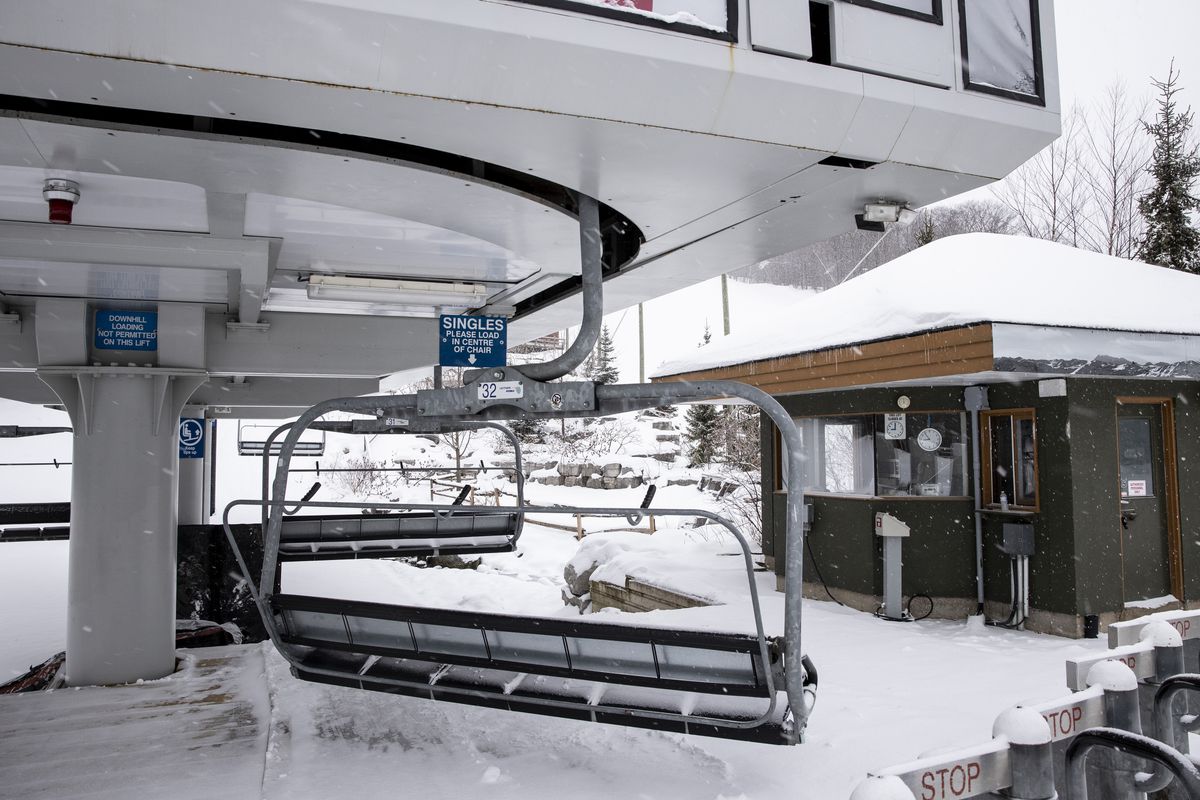
Ski resorts are employing advanced snowmaking, diversified year‑round activities, renewable energy, and ecosystem partnerships to adapt to rising temperatures, ensuring economic viability while protecting mountain environments.
Quick Answer
Ski resorts are responding to climate‑driven warming by combining high‑efficiency snowmaking, renewable power, diversified tourism (e.g., mountain biking and wellness retreats), and ecological stewardship. These strategies reduce dependence on natural snowfall, lower carbon footprints, and create new revenue streams. While scientific assessments show that artificial snow can extend the ski season under certain temperature thresholds, uncertainties remain about long‑term water availability and ecosystem impacts.
Key Takeaways
- Snowmaking technology now uses low‑energy compressors and recycled water to produce snow at temperatures up to 2 °C above freezing.
- All‑season business models diversify income through activities such as mountain biking, hiking, and health‑focused retreats.
- Renewable energy installations—solar panels, wind turbines, and micro‑hydro—cut operational emissions at many resorts.
- Partnerships with conservation groups create wildlife corridors and reforestation projects that offset habitat loss.
- Adaptation success varies by region; high‑altitude resorts face fewer challenges than low‑elevation ski areas.
What Is Adapting to a Warmer World: How Ski Resorts Are Innovating to Survive?
Adaptation in this context refers to the set of technical, managerial, and ecological measures that ski resorts adopt to maintain viable operations as average winter temperatures rise. It encompasses artificial snow production, energy transition, activity diversification, and ecosystem‑based stewardship. The concept differs from mitigation, which targets greenhouse‑gas emissions at their sources, by focusing on resilience to already‑changing climate conditions.
How Does It Work?
1. Advanced Snowmaking
Modern snowguns atomize water and compressed air through high‑pressure nozzles, creating fine droplets that freeze before reaching the ground. Recent upgrades include:
- Variable‑frequency drives that match pump speed to ambient temperature, reducing electricity use.
- Closed‑loop water recycling that captures meltwater and reuses it for new snow.
- Temperature‑adaptive algorithms that trigger snowmaking only when the wet‑bulb temperature is below a critical threshold (often –2 °C).
2. Renewable Energy Integration
Resorts install on‑site solar arrays on lodge roofs, wind turbines on ridgelines, and micro‑hydro systems that capture runoff from melt streams. Energy‑management software balances demand between lifts, snow guns, and hospitality facilities, shifting load to periods of high renewable generation.
3. Year‑Round Activity Diversification
When snow cover is insufficient, resorts repurpose lift infrastructure for summer uses such as gondola rides, zip‑lines, and mountain‑bike shuttle services. Trail networks are re‑graded for hiking, trail‑running, and educational nature walks. Wellness programs—including yoga retreats and alpine spa experiences—capitalize on the clean‑air environment.
4. Ecological Partnerships
Collaborations with NGOs and government agencies support reforestation, soil stabilization, and the creation of wildlife corridors that reconnect fragmented alpine habitats. These projects not only enhance biodiversity but also improve water retention, benefiting snowmaking reservoirs.
What Does the Evidence Show?
Long‑term monitoring by national meteorological services (e.g., NOAA, MeteoSwiss) indicates a median winter temperature increase of 1.5 °C in major European Alpine basins between 1980 and 2020. Systematic reviews of snowmaking efficiency (e.g., International Association of Snow‑Science, 2022) find that low‑energy snow guns can produce up to 30 % more snow per kilowatt‑hour than legacy models when operated under optimal wet‑bulb conditions. Case studies from resorts in the western United States demonstrate that renewable‑powered snowmaking can reduce operational CO₂ emissions by 40–60 % compared with diesel‑generated electricity (U.S. Forest Service, 2021). However, research on water sustainability highlights that large‑scale snowmaking may strain alpine watersheds during drought years, a limitation noted in a 2023 IPCC special report on water‑energy‑climate interactions.
Main Causes or Drivers
Direct Climate Drivers
Rising global mean temperatures shift the snow line upward, shortening the natural snow season. The Intergovernmental Panel on Climate Change (IPCC) projects that, under a high‑emissions scenario (RCP8.5), the number of snow‑reliable days could drop by 30 % in many mid‑latitude mountain ranges by 2050.
Economic and Market Drivers
Tourism revenue depends heavily on consistent ski conditions; declining snowfall threatens local economies. This market pressure incentivizes investment in adaptation technologies.
Resource Availability
Water for snowmaking is sourced from mountain streams, reservoirs, or recycled meltwater. Climate‑induced changes in precipitation patterns affect the volume and timing of water supplies.
Environmental and Human Impacts
Environmental Impacts
Artificial snow alters surface albedo, potentially affecting local microclimates. When managed responsibly, snowmaking can reduce soil erosion by stabilizing slopes. Reforestation and wildlife corridor projects improve habitat connectivity, supporting alpine species such as the ibex and golden‑eared alpine salamander.
Human Health and Social Impacts
Extended ski seasons sustain employment for thousands of seasonal workers and preserve cultural traditions tied to winter sports. However, increased energy use may raise local air‑quality concerns if renewable sources are not fully adopted.
Economic and Infrastructure Impacts
Diversified tourism buffers resort revenues against snowfall variability, protecting local businesses and municipal tax bases. Infrastructure upgrades (e.g., electric lift motors) often involve substantial capital outlays, requiring public‑private financing arrangements.
Regional Differences
High‑altitude resorts in the Alps and the Rockies retain more natural snow and can rely on snowmaking for a shorter period, whereas lower‑elevation ski areas in the Pyrenees or the Appalachian Mountains face more severe season truncation. In the Southern Hemisphere, resorts such as those in New Zealand are experimenting with hybrid snow‑plus‑ice systems to compensate for reduced winter precipitation.
What Scientists Know With High Confidence
- Global average winter temperatures have risen by roughly 1 °C since the mid‑20th century, shortening natural snow seasons.
- Artificial snow can be produced efficiently when wet‑bulb temperatures are below about –2 °C, extending skiable days in many regions.
- Renewable energy installations at ski resorts demonstrably cut operational greenhouse‑gas emissions.
- Ecosystem‑based interventions (e.g., reforestation) improve watershed health, supporting both snowmaking and biodiversity.
What Remains Uncertain
Key uncertainties include the long‑term availability of water for large‑scale snowmaking under projected drought conditions, the cumulative ecological effects of repeated artificial snow cover on soil microbes, and the economic feasibility of full renewable retrofits for small, independently owned resorts.
Common Misconceptions
Misconception: Artificial snow solves the climate problem for ski resorts.
Reality: While artificial snow can extend the season, it does not replace the need to reduce greenhouse‑gas emissions; it merely buys time for broader climate mitigation.
Misconception: All ski resorts can easily switch to 100 % renewable energy.
Reality: Remote mountain locations often lack grid access, making the transition dependent on site‑specific resources and significant upfront investment.
Misconception: Diversifying into summer activities harms the mountain environment.
Reality: When designed with ecological guidelines, year‑round recreation can spread visitor impact over larger areas and seasons, reducing pressure on any single ecosystem.
Solutions and Limitations
Adaptation strategies fall into three broad categories:
- Technological solutions: Snowmaking and renewable power are effective but limited by temperature thresholds, water availability, and capital costs.
- Business model innovation: All‑season tourism diversifies revenue but requires marketing, infrastructure, and may face competition from non‑mountain destinations.
- Ecosystem stewardship: Conservation projects enhance resilience but often depend on long‑term funding and stakeholder coordination.
Each approach carries trade‑offs; for example, intensive snowmaking can increase water demand, while large solar farms may alter visual landscapes.
What Individuals, Communities, and Governments Can Do
What Individuals Can Do
- Choose resorts that publish sustainability reports and prioritize renewable energy.
- Support off‑season activities that promote conservation, such as guided hikes that fund local trail maintenance.
- Offset personal travel emissions through reputable carbon‑offset programs that invest in forest restoration.
What Communities and Organizations Can Do
- Develop joint management plans with ski operators to protect watershed health and ensure sustainable water extraction.
- Facilitate training programs for local workers to transition into summer‑tourism roles.
- Partner with NGOs to monitor biodiversity impacts of snowmaking and recreation.
What Governments Can Do
- Provide low‑interest financing for renewable‑energy retrofits at ski facilities.
- Establish water‑use regulations that balance snowmaking needs with downstream ecosystem requirements.
- Incorporate mountain‑region climate adaptation into regional planning statutes.
Closing Synthesis
Ski resorts illustrate how climate‑driven challenges can spark innovation across technology, business models, and ecosystem stewardship. Robust evidence confirms that artificial snow and renewable energy can extend operational windows, yet water scarcity and ecological impacts remain uncertain. By combining efficient snowmaking, diversified tourism, clean power, and conservation partnerships, resorts can reduce vulnerability while contributing to broader climate resilience. Ongoing research on water cycles, snow ecology, and economic feasibility will shape the next phase of adaptation, ensuring that alpine destinations remain vibrant for both visitors and the mountain ecosystems they depend on.
Frequently Asked Questions
How does artificial snow extend the ski season?
Artificial snow is produced by high‑efficiency snowguns that can create skiable surface when wet‑bulb temperatures are below about –2 °C, effectively adding days to the season even when natural snowfall is limited.
What renewable energy sources are used by ski resorts?
Many resorts install on‑site solar panels, wind turbines on ridgelines, and micro‑hydro systems that capture meltwater runoff, reducing reliance on fossil‑fuel electricity for lifts and snowmaking.
Why are ski resorts diversifying into summer activities?
Diversification spreads revenue across the year, lessening economic risk from shorter winters and attracts visitors to mountain environments through biking, hiking, and wellness programs.
What are the main environmental concerns with large‑scale snowmaking?
Large‑scale snowmaking can strain alpine water supplies during droughts and may alter surface albedo, affecting local microclimates; careful water recycling and temperature monitoring are needed to mitigate impacts.
How can local communities support ski resort adaptation?
Communities can work with resorts on watershed management, develop training for off‑season jobs, and partner with NGOs to monitor biodiversity, ensuring both economic and ecological resilience.






Leave a Comment