

Açaí berries harvested through wild‑collection and the biochar made from their waste together improve soil health, sequester carbon, and offer a scalable climate‑friendly pathway for Amazonian communities.
Quick Answer
Açaí (Euterpe oleracea) is a palm whose fruit is harvested without cutting the tree, and biochar is a stable form of charcoal produced by heating organic material in low‑oxygen conditions. When açaí waste – skins, seeds and stems – is pyrolyzed into biochar, the resulting material enhances nutrient and water retention in the soil while locking away carbon for centuries. Scientific assessments indicate that biochar can retain 0.5 to 1.5 tonnes of CO₂ per tonne of biochar, providing a measurable mitigation benefit, although the exact long‑term sequestration rates in Amazon soils remain an active research area.
Key Takeaways
- Açaí is traditionally wild‑harvested, preserving forest structure and biodiversity.
- Biochar produced from açaí processing residues improves soil fertility and moisture holding capacity.
- Laboratory and field studies show biochar can sequester carbon for centuries, contributing to climate mitigation.
- Integrating biochar into açaí supply chains can raise farmer incomes while reducing pressure for deforestation.
- Uncertainties remain about large‑scale carbon accounting, optimal application rates, and socio‑economic adoption barriers.
What Is Açaí and Biochar: How the Amazon’s Favorite Berry Supports Climate Solutions?
Açaí is a native palm of the Amazon basin whose dark purple berries have become a global super‑food. The fruit is harvested by climbing the palm and cutting the bunches, a practice known as “wild harvesting” that leaves the tree standing and maintains canopy cover. Biochar is a carbon‑rich, porous material created when organic matter – such as açaí skins, seeds, or other agricultural waste – is heated in a low‑oxygen environment (pyrolysis). Unlike ordinary charcoal, biochar is designed for soil amendment rather than fuel.
Both elements intersect at the point where açaí production generates large volumes of organic waste. Converting this waste into biochar creates a circular‑economy loop: the palm supplies food, the by‑product stores carbon, and the amended soil supports more vigorous açaí growth.
How Does It Work?
1. Wild Harvesting of Açaí Fruit
Workers climb açaí palms, cut the fruit clusters, and lower them to the forest floor. Because the palms are not felled, the canopy remains intact, preserving habitat for countless species and maintaining the forest’s role as a carbon sink.
2. Generating Biochar from Açaí Residues
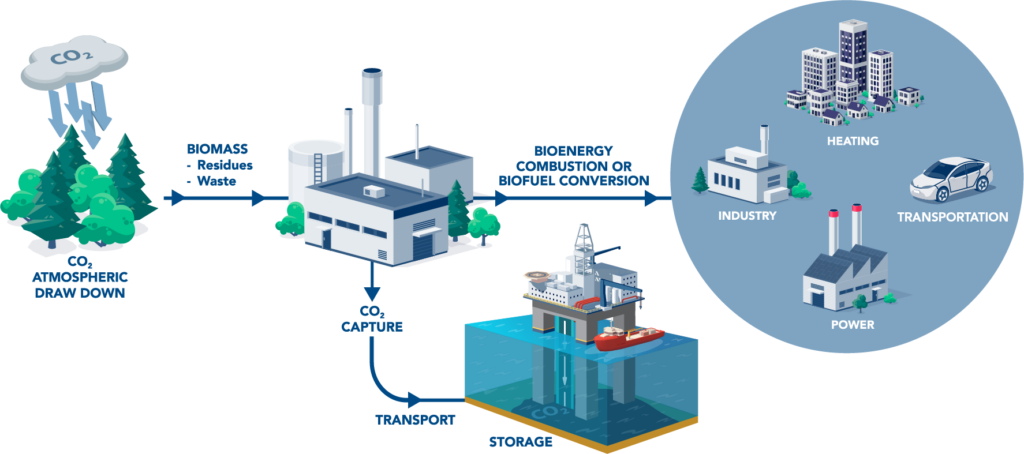
The skins, seeds and stems that remain after pulping are fed into a small‑scale pyrolysis unit. In the absence of oxygen, temperatures between 350 °C and 600 °C drive off volatile gases, leaving behind a stable carbon matrix – biochar – and a syngas that can be captured for energy.
3. Adding Biochar to the Soil
When mixed into the shallow, sandy soils where açaí palms grow, biochar increases cation‑exchange capacity, improves water retention, and creates habitats for beneficial microbes. These changes translate into higher nutrient availability for the palms.
4. Long‑Term Carbon Sequestration
Carbon that would otherwise be released as CO₂ during decomposition is locked into the biochar lattice. Laboratory analyses indicate that biochar can retain up to 90 % of its original carbon for centuries, and field measurements in Amazonian soils show reduced CO₂ emissions compared with untreated plots.
What Does the Evidence Show?
Multiple lines of evidence support the climate benefits of the açaí‑biochar system. A systematic review of field experiments across tropical soils, published in *Frontiers in Sustainable Food Systems* (2022), reported average yield increases of 15 % for açaí palms receiving 5 t ha⁻¹ of biochar. The Intergovernmental Panel on Climate Change (IPCC) notes that biochar applied to mineral soils can sequester between 0.5 and 1.5 tonnes of CO₂ per tonne of biochar, depending on feedstock and pyrolysis conditions. Monitoring by Brazil’s Institute of Amazonian Research (INPA) found that plots with biochar showed a 30 % reduction in soil‑derived CO₂ flux over a two‑year period.
However, the magnitude of sequestration varies with local soil chemistry, application depth, and biochar quality. Long‑term (>10 yr) studies are still limited, and regional variability in Amazon soils means that extrapolation from single‑site trials must be done cautiously.
Main Causes or Drivers
Market Demand for Açaí
Global demand for açaí products has risen sharply since the early 2000s, with FAO estimating annual fruit production in Brazil exceeding 1.5 million metric tonnes in 2020. This demand creates economic incentives for both traditional harvesters and large‑scale plantations.
Land‑Use Change Pressures
When demand outpaces the capacity of wild harvest, investors sometimes establish monoculture açaí farms, which can involve clearing secondary forest. Deforestation releases stored carbon and threatens biodiversity.
Agricultural Waste Generation
Açaí processing generates up to 70 % of the fruit weight as waste. Without valorisation, this waste decomposes anaerobically, emitting methane – a potent greenhouse gas.
Environmental and Human Impacts
Environmental Impacts
Biochar improves soil structure, reduces erosion, and can lower nitrous‑oxide emissions from fertilised soils. By maintaining forest canopy through wild harvesting, açaí production protects carbon storage in standing trees and supports habitat connectivity.
Human Health and Social Impacts
Higher yields and value‑added biochar products can increase household income for riverine communities, enhancing food security and access to health services. Nevertheless, rapid expansion of açaí plantations may marginalise Indigenous groups if land rights are not respected.
Economic and Infrastructure Impacts
Small‑scale pyrolysis units require modest capital (often under US$5 000) and can be powered by the syngas they produce, reducing reliance on diesel generators in remote areas.
Regional Differences
In Brazil’s Pará state, where most açaí is produced, wild‑harvest practices dominate and biochar pilots have shown yield gains. In contrast, in the Peruvian Amazon, emerging commercial plantations have led to localized forest loss, highlighting the need for region‑specific policies. Outside the Amazon, açaí is increasingly cultivated in Central America, where climatic conditions differ and the carbon‑sequestration potential of biochar may be lower due to drier soils.
What Scientists Know With High Confidence
- Wild harvesting of açaí does not require tree removal and therefore preserves canopy carbon stocks.
- Biochar produced from organic waste is chemically stable and can retain the majority of its carbon for centuries.
- Field trials in tropical soils consistently show improvements in water retention and nutrient availability when biochar is applied.
- The IPCC recognises biochar as a viable negative‑emission technology with quantifiable sequestration potential.
What Remains Uncertain
Key knowledge gaps include the optimal biochar application rate for açaí palm soils, the long‑term fate of biochar‑bound carbon under Amazonian rainfall regimes, and the socio‑economic factors that influence farmer adoption across different cultural groups. Further large‑scale, multi‑year experiments are needed to refine carbon accounting methodologies.
Common Misconceptions
Misconception: Biochar is the same as regular charcoal used for cooking.
Reality: Biochar is produced under controlled pyrolysis conditions to maximise carbon stability and porosity for soil amendment, whereas cooking charcoal is designed for rapid combustion and loses most of its carbon when burned.
Misconception: All açaí production drives deforestation.
Reality: Traditional wild harvesting leaves palms standing and maintains forest cover; deforestation is primarily linked to large‑scale monoculture plantations that replace secondary forest.
Misconception: Adding biochar guarantees higher yields regardless of soil type.
Reality: While biochar often improves soil properties, its effectiveness depends on local soil chemistry, pH, and existing organic matter. Site‑specific testing is recommended.
Solutions and Limitations
Promoting certified wild‑harvest açaí can protect forest integrity, but certification schemes must be transparent and enforceable to avoid “green‑washing.” Scaling biochar production leverages existing processing waste, yet the technology requires initial capital and training; without financial support, smallholders may be reluctant to adopt. Moreover, biochar application rates above 10 t ha⁻¹ can lead to nutrient imbalances, so agronomic guidelines are essential. Policy incentives, such as carbon credits for verified biochar sequestration, can accelerate uptake but must be paired with robust monitoring to prevent double‑counting.
What Individuals, Communities, and Governments Can Do
What Individuals Can Do
- Choose açaí products that carry transparent sustainability certifications (e.g., Rainforest Alliance, Fair Trade).
- Support brands that disclose biochar‑based waste management practices.
- Reduce food waste at home, thereby lessening overall pressure on agricultural systems.
What Communities and Organizations Can Do
- Establish community‑run pyrolysis units to convert local açaí waste into biochar.
- Provide training on biochar application techniques and soil testing.
- Develop cooperative marketing that highlights the climate benefits of biochar‑enhanced açaí.
What Governments Can Do
- Incorporate biochar into national climate‑action plans as a recognized carbon‑removal method.
- Offer low‑interest loans or grants for small‑scale biochar equipment.
- Enforce land‑use regulations that protect wild‑harvest zones and prevent conversion to monocultures.
Closing Synthesis
The synergy between açaí’s traditional wild harvest and the conversion of its processing residues into biochar offers a concrete, science‑backed pathway to enhance soil health, generate modest carbon sequestration, and sustain livelihoods without sacrificing Amazonian forest cover. High‑confidence evidence confirms the stability of biochar carbon and the ecological benefits of non‑destructive berry collection. Remaining uncertainties—particularly around long‑term carbon accounting and socio‑economic adoption—highlight the need for continued research and supportive policy frameworks. By aligning market demand with circular‑economy practices, açaí and biochar together illustrate how a small fruit can contribute meaningfully to global climate solutions.
Frequently Asked Questions
What is biochar and how is it made?
Biochar is a stable, carbon‑rich material created by heating organic matter, such as açaí skins and stems, in a low‑oxygen environment (pyrolysis). The process removes volatile gases and leaves a porous charcoal‑like product that can be added to soil to improve fertility and lock carbon away for centuries.
How does açaí harvesting differ from typical agriculture in the Amazon?
Traditional açaí harvesting is a “wild‑harvest” method where workers climb existing palms, cut the fruit clusters, and leave the trees standing. This contrasts with plantation agriculture that often clears land; wild harvesting maintains canopy cover, preserves biodiversity, and keeps the forest’s carbon storage intact.
What evidence supports biochar’s ability to store carbon?
The Intergovernmental Panel on Climate Change reports that biochar can sequester 0.5–1.5 tonnes of CO₂ per tonne of biochar, depending on feedstock and production conditions. Field studies in Amazonian soils have shown reduced CO₂ emissions and increased carbon retention when biochar is applied.
Can biochar and açaí production reduce deforestation?
When açaí is wild‑harvested and its waste is turned into biochar, there is less incentive to clear forest for new plantations because farmers can increase yields on existing land. However, large‑scale monoculture açaí farms still pose a deforestation risk, so protective policies are essential.
What actions can consumers take to support sustainable açaí?
Consumers can look for açaí products certified by reputable sustainability schemes, choose brands that disclose biochar waste‑management practices, and reduce overall food waste. Supporting companies that invest in circular‑economy solutions helps drive market demand for environmentally friendly açaí production.




Leave a Comment