

Restoring abandoned farmland can store carbon, revive biodiversity, and strengthen rural livelihoods, offering a durable yet under‑used climate solution.
Quick Answer
Abandoned farmland restoration is the intentional conversion of idle agricultural land back to functional ecosystems—such as native grasslands, forests, or diversified agro‑ecological systems. By applying regenerative practices (cover crops, agroforestry, managed grazing), soils capture atmospheric CO₂ and store it as organic carbon, while restored habitats support wildlife. Scientific assessments conclude that, at scale, these lands could sequester up to 0.5 gigatonnes of CO₂ per year and improve water quality, though outcomes depend on climate, soil type, and governance.
Key Takeaways
- Regenerative management of abandoned fields can lock away carbon in soils for decades.
- Restored habitats boost biodiversity, create wildlife corridors, and reduce erosion.
- Economic incentives—carbon credits, ecosystem‑service payments—are essential for large‑scale adoption.
- Success varies by region, soil health, and local governance; community involvement is critical.
- Uncertainties remain around long‑term carbon permanence and optimal mix of land‑use practices.
What Is Abandoned Farmland Restoration: A Hidden Climate Solution?
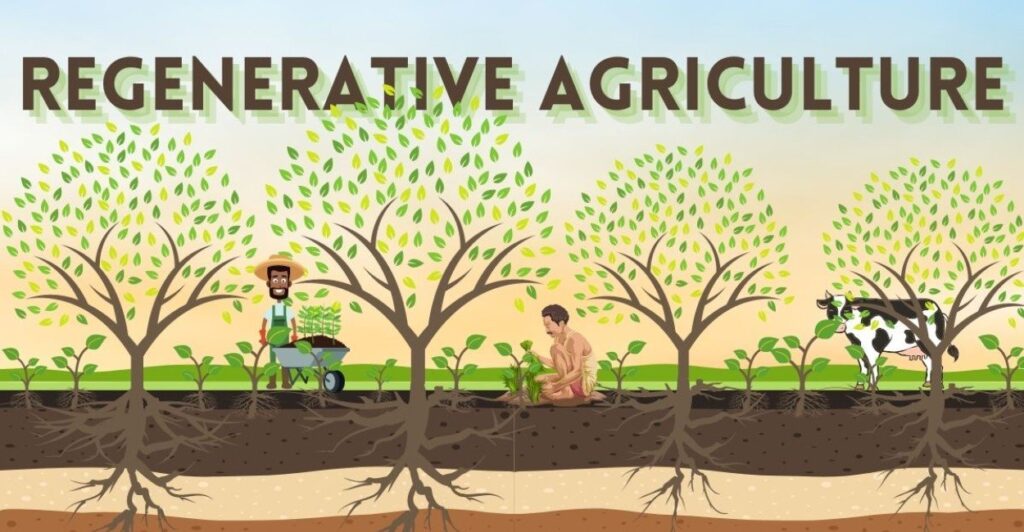
Abandoned farmland refers to cropland or pasture that has been left uncultivated for five years or more, often because of economic decline, market shifts, or urban expansion. Restoration involves actively managing these lands to re‑establish productive ecosystems—ranging from native prairie or woodland to diversified, low‑input agro‑ecosystems. Unlike passive abandonment, which can lead to invasive species and erosion, restoration adds intentional actions (seedings, planting, grazing management) that rebuild soil organic matter, re‑connect hydrological cycles, and provide habitat.
How Does It Work?
Physical and Chemical Processes
- Removal of compacted equipment and reduction of soil compaction improve infiltration.
- Application of organic amendments (compost, green manure) adds carbon‑rich material.
- Cover cropping protects the soil surface, reduces temperature extremes, and supplies root exudates that stimulate microbial activity.
Biological and Ecological Interactions
- Native seed mixtures establish diverse plant communities that capture sunlight and fix carbon.
- Deep‑rooted perennials transport carbon below 30 cm, where it is more stable.
- Habitat complexity supports pollinators, soil fauna, and higher trophic levels, creating feedback loops that further enhance soil health.
Human Systems and Feedbacks
Landowners receive technical guidance, financial incentives (e.g., carbon credits), and monitoring tools (remote‑sensing, soil carbon testing). Over time, restored lands can generate ecosystem services—clean water, flood mitigation, and modest food production—creating a positive economic feedback that encourages continued stewardship.
What Does the Evidence Show?
Multiple lines of evidence support the climate and ecological benefits of abandoned farmland restoration. Long‑term field trials across temperate Europe and the United States report annual soil carbon gains of 0.2–0.5 t C ha⁻¹ when cover crops and reduced tillage are applied (FAO, 2021). A meta‑analysis of 84 studies published in *Nature Sustainability* (2022) found that agroforestry on former cropland increased above‑ground biomass by 30 % and stored an additional 1.2 t C ha⁻¹ over a decade. The Intergovernmental Panel on Climate Change (IPCC, 2022) cites land‑based mitigation pathways that could capture up to 0.5 Gt CO₂ yr⁻¹ through widespread regenerative practices on marginal and abandoned lands. Remote‑sensing analyses by NASA (2020) show that re‑vegetated former fields reduce surface albedo, modestly influencing local climate.
Main Causes or Drivers
Economic and Policy Drivers
Commodity price volatility, subsidies favoring intensive monocultures, and land‑use policies that prioritize production over conservation have left many fields uneconomical, prompting abandonment.
Social and Demographic Factors
Rural depopulation, aging farmer populations, and migration to urban centers reduce labor availability, accelerating land neglect.
Environmental Triggers
Soil degradation, water scarcity, and increased frequency of extreme weather events make some lands unsuitable for conventional crops, leading owners to cease cultivation.
Environmental and Human Impacts
Environmental Impacts
- Carbon sequestration: Restored soils can lock away carbon for decades, mitigating atmospheric CO₂ growth.
- Erosion control: Root systems stabilize soil, reducing sediment runoff into waterways.
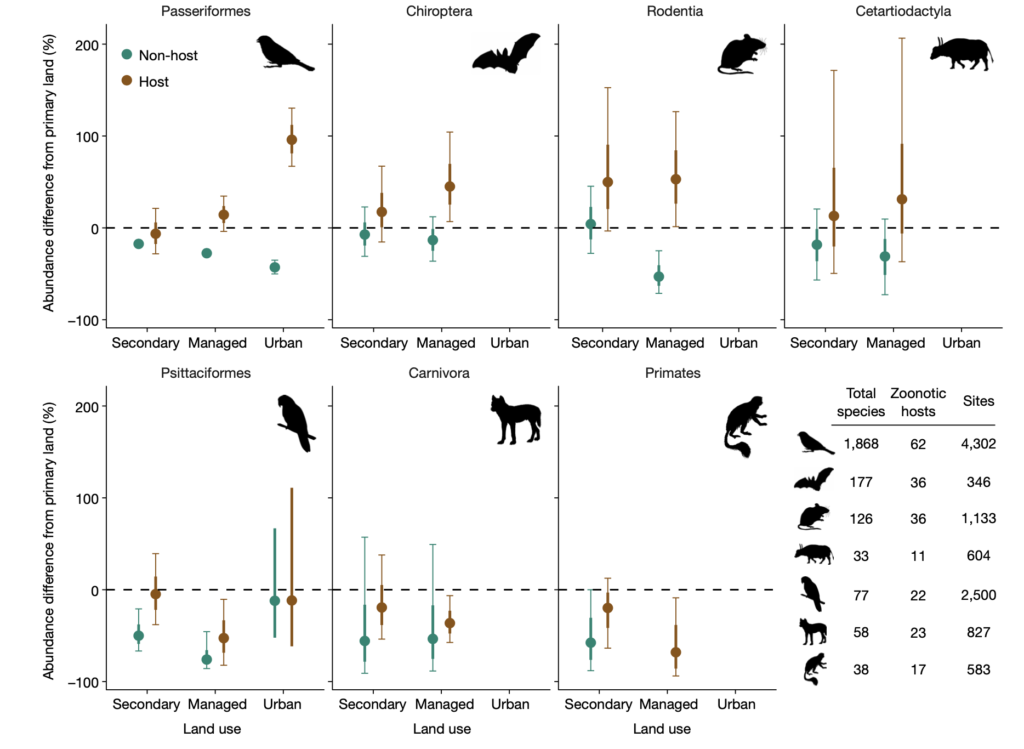
- Biodiversity: Native plantings create habitats for pollinators, birds, and soil organisms.
- Water regulation: Increased infiltration lowers flood peaks and recharges groundwater.
Human Health and Social Impacts
- Improved water quality benefits downstream communities.
- Creation of local jobs in planting, monitoring, and sustainable harvesting.
- Enhanced food security when diversified, low‑input crops are introduced.
- Cultural revitalization as Indigenous and local knowledge inform restoration design.
Regional Differences
In temperate North America and Europe, abandoned cropland often transitions to grassland or mixed‑species agroforestry, yielding high carbon gains due to deep‑rooted perennials. In the Mediterranean, water scarcity favors drought‑tolerant shrublands, which provide fire‑resistant buffers but store less carbon per hectare. Sub‑Saharan regions face land‑tenure insecurity; communal restoration projects have shown promise where clear property rights are established. Asian monsoon zones benefit from rapid biomass accumulation in fast‑growing tree species, yet must balance invasive species risk.
What Scientists Know With High Confidence
- Soils can sequester measurable amounts of carbon when managed with regenerative practices.
- Restored vegetation reduces erosion and improves water infiltration.
- Native species plantings increase local biodiversity relative to abandoned, weed‑dominated fields.
- Economic incentives (e.g., carbon markets) improve adoption rates when they are transparent and accessible.
What Remains Uncertain
Key uncertainties include the long‑term stability of stored carbon under changing climate, optimal species mixes for different soil types, and the scalability of financing mechanisms in low‑income regions. Monitoring gaps—especially in remote or politically unstable areas—limit precise quantification of ecosystem‑service co‑benefits. Further research on social‑equity outcomes and how restoration interacts with existing food‑production goals is needed.
Common Misconceptions
Misconception: Restoring abandoned land is the same as re‑planting a monoculture forest.
Reality: Effective restoration prioritizes native diversity and soil health; a single‑species plantation often fails to deliver carbon or biodiversity benefits and may increase water demand.
Misconception: Carbon captured in soils will remain forever.
Reality: Soil carbon can be lost if land is later tilled, drained, or subjected to prolonged drought; permanence depends on ongoing management.
Misconception: Restoration is too costly for smallholder farmers.
Reality: While upfront costs exist, many programs provide cost‑share payments, and long‑term yield stability and ecosystem services can offset expenses.
Solutions and Limitations
Key strategies include:
- Regenerative agriculture: Cover crops, reduced tillage, and compost addition boost carbon but require knowledge transfer and may reduce short‑term yields.
- Agroforestry: Integrating trees enhances carbon storage and shade but may compete with crops for water in arid zones.
- Managed grazing: Rotational livestock promotes root growth, yet overgrazing can reverse gains.
- Policy incentives: Carbon credits and payments for ecosystem services motivate participation, but market volatility and verification costs can limit uptake.
- Community‑based planning: Incorporating local and Indigenous knowledge improves relevance, yet consensus building can be time‑intensive.
Each solution carries trade‑offs; for example, tree planting may reduce albedo and affect regional climate, while intensive composting requires transport emissions. Balancing multiple objectives—food production, climate mitigation, biodiversity—requires site‑specific assessments.
What Individuals, Communities, and Governments Can Do
What Individuals Can Do
- Support local farms that practice regenerative methods through purchasing decisions.
- Volunteer for community planting or soil‑testing events on abandoned plots.
- Advocate for municipal policies that allocate funding to land‑restoration grants.
What Communities and Organizations Can Do
- Form land‑trusts or cooperatives to acquire and manage abandoned parcels.
- Partner with universities to conduct soil‑carbon monitoring and share results publicly.
- Develop education programs that teach cover‑crop selection and grazing management.
What Governments Can Do
- Implement clear land‑tenure frameworks that enable long‑term stewardship.
- Provide tax incentives or direct subsidies for carbon‑sequestering practices.
- Integrate abandoned‑land restoration into national climate‑action plans and report progress to the UNFCCC.
Closing Synthesis
Abandoned farmland restoration offers a tangible pathway to lock carbon in soils, revive ecosystems, and bolster rural resilience. High‑confidence research confirms that regenerative practices can deliver measurable climate and biodiversity benefits, yet uncertainties around permanence and financing persist. By aligning scientific knowledge with equitable policies, community engagement, and targeted incentives, societies can turn neglected fields into living carbon sinks and biodiversity corridors—turning a hidden problem into a hidden solution.
Frequently Asked Questions
What defines abandoned farmland?
Abandoned farmland is land that has not been cultivated for five years or more, often due to economic decline, market changes, or urban expansion, leaving soils exposed and vegetation unmanaged.
How does restoring abandoned farmland capture carbon?
Restoration adds vegetation, cover crops, and organic amendments that increase root depth and soil organic matter, allowing soils to absorb atmospheric CO₂ and store it as stable carbon for decades.
What are the main biodiversity benefits of farmland restoration?
Re‑establishing native plants creates habitats for pollinators, birds, and soil organisms, boosting species richness and providing ecological corridors that connect fragmented ecosystems.
What challenges limit large‑scale restoration of abandoned fields?
Key challenges include unclear land tenure, high upfront costs, limited access to financing, monitoring difficulties, and uncertainties about long‑term carbon permanence and optimal species mixes.
What actions can local communities take to support restoration?
Communities can form land trusts, organize planting events, partner with researchers for soil testing, and educate residents on regenerative practices to create collective stewardship of abandoned lands.






Leave a Comment