
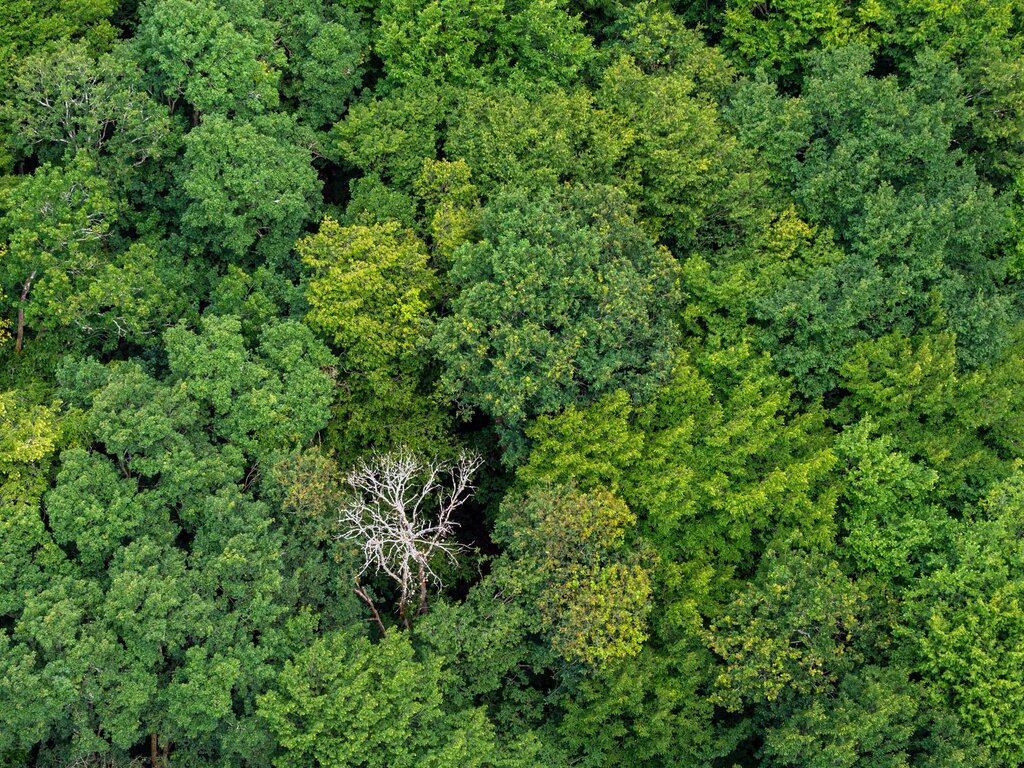
The 10‑Year Global Ecosystem Restoration Programme aims to restore 350 million hectares of degraded land by 2030, using science‑based methods, community partnerships, and innovative financing to boost biodiversity, climate resilience, and human well‑being.
Quick Answer
The programme is a ten‑year, internationally coordinated effort to rehabilitate forests, wetlands, grasslands, and marine habitats on a scale of 350 million hectares by 2030. It combines reforestation, soil health improvement, species re‑introduction, and sustainable land‑use practices, guided by remote‑sensing data and local knowledge. Evidence from the United Nations Convention on Biological Diversity and the Intergovernmental Panel on Climate Change suggests that large‑scale restoration can sequester billions of tonnes of carbon and revive ecosystem services, though success depends on long‑term governance and adaptive management.
Key Takeaways
- Target: 350 million hectares of degraded ecosystems restored worldwide by 2030.
- Approach blends science (e.g., remote sensing, genetics) with community‑driven practices such as agroforestry.
- Funding is expected to reach trillions of dollars through public budgets, private investment, and ecosystem‑service markets.
- High‑confidence evidence links restoration to carbon sequestration, water purification, and biodiversity gains.
- Key uncertainties include long‑term maintenance, climate‑change impacts on restored sites, and equitable benefit sharing.
What Is 10‑Year Global Ecosystem Restoration Programme?
The programme is a voluntary, multi‑stakeholder framework launched in 2023 to coordinate large‑scale ecological rehabilitation across terrestrial and marine biomes. Unlike isolated tree‑planting campaigns, it incorporates soil regeneration, native species re‑introduction, and protection of existing habitats. The scope covers tropical forests, temperate woodlands, peatlands, mangroves, coral reefs, and degraded grasslands. By defining clear restoration targets, monitoring protocols, and financing mechanisms, the initiative seeks to shift global stewardship from exploitation toward stewardship in the Anthropocene.
How Does It Work?
1. Site Selection and Baseline Assessment
Scientists use satellite imagery, biodiversity inventories, and soil surveys to identify priority areas where degradation is severe but recovery potential is high. Baseline data establish reference conditions for carbon stocks, species composition, and hydrological function.
2. Co‑Design with Local Communities
Indigenous peoples and local land‑users contribute traditional ecological knowledge, selecting native species and land‑use practices that align with cultural values and livelihood needs.
3. Implementation of Restoration Techniques
Methods include assisted natural regeneration, agroforestry corridors, coral‑reef nurseries, and peat‑rehydration. Where appropriate, genetic tools help match seed sources to future climate conditions.
4. Financing and Incentives
Funding streams combine national budgets, philanthropic grants, private‑sector investment, and market‑based instruments such as carbon credits and payments for ecosystem services.
5. Monitoring, Reporting, and Adaptive Management
Remote‑sensing platforms track canopy growth, soil moisture, and biodiversity indicators. Annual reports feed back into management plans, allowing techniques to be refined as conditions change.
What Does the Evidence Show?
Systematic reviews by the Intergovernmental Science‑Policy Platform on Biodiversity and Ecosystem Services (IPBES, 2022) find that well‑managed restoration projects can increase above‑ground carbon by 1–3 t C ha⁻¹ yr⁻¹ and boost species richness by 30 % on average. Long‑term monitoring of the Atlantic Forest restoration corridor (Brazil) demonstrates measurable improvements in water quality and pollinator abundance after ten years. Meta‑analyses of mangrove re‑forestation indicate a median sequestration rate of 2.5 t C ha⁻¹ yr⁻¹, comparable to natural growth rates. Together these lines of evidence suggest that, when properly designed, restoration delivers climate mitigation, biodiversity recovery, and livelihood benefits.
Main Causes or Drivers of Ecosystem Degradation
Direct Causes
- Deforestation for agriculture and timber.
- Unsustainable fishing and coastal development damaging reefs and mangroves.
- Soil erosion from over‑grazing and intensive cropping.
- Pollution from industrial runoff and plastic debris.
Underlying Drivers
- Population growth and rising demand for food, fiber, and energy.
- Economic incentives that favor short‑term extraction over long‑term stewardship.
- Climate change amplifying drought, fire, and sea‑level rise, which in turn accelerate degradation.
Environmental and Human Impacts
Environmental Impacts
Restored ecosystems can re‑establish carbon sinks, improve water filtration, and provide habitat corridors that enhance species migration. Peatland re‑wetting reduces methane emissions and restores unique biodiversity. Coral‑reef rehabilitation improves coastal protection against storm surge.
Human Health and Social Impacts
Improved water quality lowers incidence of water‑borne diseases. Restored forests supply non‑timber forest products, supporting nutrition and income for rural households. Community‑led projects strengthen social cohesion and preserve cultural practices linked to the land.
Economic and Infrastructure Impacts
Ecosystem services valuation by the World Bank (2021) estimates that global benefits from restored wetlands alone could exceed US$ 200 billion per year in flood mitigation and water supply. However, upfront restoration costs can be high, requiring coordinated financing to avoid burdening low‑income communities.
Regional Differences
In tropical regions such as the Congo Basin, high biodiversity and rapid land‑use change make restoration both urgent and complex; success often hinges on integrating agroforestry with cash‑crop markets. Temperate zones like the European Union have leveraged policy instruments (e.g., the Common Agricultural Policy) to fund large‑scale tree planting, yet face challenges from land‑ownership fragmentation. In island nations of the Pacific, sea‑level rise threatens restored mangroves, requiring adaptive designs that accommodate shifting coastlines.
What Scientists Know With High Confidence
- Restoration increases above‑ground carbon storage when native species are used.
- Healthy wetlands and mangroves provide measurable flood‑mitigation benefits.
- Community involvement improves project longevity and socioeconomic outcomes.
- Remote‑sensing technologies can reliably monitor canopy cover and vegetation health at a global scale.
What Remains Uncertain
Key uncertainties include the durability of carbon sequestration under future climate extremes, the extent to which restored habitats will support full species assemblages, and the effectiveness of emerging financing mechanisms such as biodiversity offsets in delivering equitable outcomes. Long‑term monitoring data beyond two decades are still scarce, limiting confidence in projected lifespan of ecosystem services.
Common Misconceptions
Misconception: Planting trees alone can reverse climate change.
Reality: Tree planting contributes to mitigation, but without protecting existing forests, addressing emissions, and ensuring species‑appropriate planting, it cannot offset global warming alone.
Misconception: Restoration is a quick fix.
Reality: Ecological recovery often spans decades; early success in canopy cover may mask slower soil and microbial rebuilding.
Misconception: Only governments can fund large‑scale projects.
Reality: Private investment, carbon markets, and community‑based financing have already supported substantial restoration pilots, though scaling remains a challenge.
Solutions and Limitations
Evidence‑based solutions include:
- Nature‑based climate mitigation: Restoring peatlands sequesters carbon but can emit methane if water levels are mismanaged.
- Sustainable land‑use practices: Agroforestry improves yields and biodiversity, yet may require training and market access.
- Financial incentives: Payments for ecosystem services reward stewardship, but verification mechanisms can be costly.
- Policy integration: Embedding restoration targets in nationally determined contributions (NDCs) aligns climate and biodiversity goals, though political will varies.
Each approach carries trade‑offs; for example, large‑scale monoculture plantations achieve rapid carbon capture but harm biodiversity.
What Individuals, Communities, and Governments Can Do
What Individuals Can Do
- Support certified sustainable products that encourage agroforestry.
- Participate in local tree‑planting or habitat‑restoration volunteer events.
- Advocate for municipal green‑space policies and climate‑resilient planning.
What Communities and Organizations Can Do
- Develop community‑led restoration plans that incorporate traditional ecological knowledge.
- Form cooperatives to market non‑timber forest products, creating economic incentives for stewardship.
- Partner with research institutions to monitor restoration outcomes using low‑cost sensors.
What Governments Can Do
- Integrate the 350 million‑hectare target into national biodiversity strategies and climate NDCs.
- Allocate dedicated budget lines for long‑term maintenance, not just initial planting.
- Create transparent carbon‑credit standards that reward genuine ecosystem recovery.
- Facilitate land‑tenure security for indigenous peoples to empower effective stewardship.
Closing Synthesis
The 10‑Year Global Ecosystem Restoration Programme represents a scientifically grounded, ambitious effort to heal degraded landscapes and seascapes. Robust evidence shows that restoration can deliver carbon sequestration, water purification, and biodiversity benefits, especially when local communities guide implementation. Nevertheless, uncertainties about long‑term resilience and financing mechanisms mean that adaptive management and sustained political commitment are essential. By aligning policy, finance, and grassroots action, the world can move from a trajectory of loss toward one of regenerative stewardship.
Frequently Asked Questions
What is the main goal of the 10‑Year Global Ecosystem Restoration Programme?
The programme aims to restore 350 million hectares of degraded land and marine habitats worldwide by 2030, using science‑based methods and community partnerships.
How does the programme plan to finance such large‑scale restoration?
Funding is expected to come from a mix of national budgets, philanthropic grants, private investment, carbon‑credit markets, and payments for ecosystem services, creating diversified financial streams.
What evidence supports the climate‑mitigation benefits of restoration?
IPBES reviews and meta‑analyses show that well‑managed restoration can sequester 1–3 t C ha⁻¹ yr⁻¹ and improve water quality, indicating measurable climate‑mitigation and ecosystem service gains.
Why is community involvement crucial for restoration success?
Local and indigenous knowledge helps select appropriate native species, ensures cultural relevance, and improves long‑term maintenance, leading to better ecological and socioeconomic outcomes.
What are the biggest uncertainties remaining for the programme?
Key uncertainties include how restored ecosystems will perform under future climate extremes, the durability of carbon storage, and whether new financing tools will deliver equitable benefits.







Leave a Comment