
The 1.5°C warming threshold has been exceeded for the twelfth consecutive month, signaling accelerating climate change and prompting urgent assessment of impacts, uncertainties, and evidence‑based responses.
Quick Answer
Breaching the 1.5°C global‑warming limit for a twelfth straight month means average surface temperatures are now consistently above the level scientists identified as the point beyond which climate impacts become increasingly severe and often irreversible. The rise is driven mainly by continued fossil‑fuel emissions and feedbacks such as Arctic ice loss. High‑confidence evidence links this warming to sea‑level rise, more extreme heatwaves, and heightened risks to food security. However, exact regional outcomes and the timing of some impacts remain uncertain because of natural variability and gaps in long‑term data.
Key Takeaways
- Temperatures above 1.5°C have persisted for twelve months, confirming a sustained warming trend.
- Human‑generated greenhouse gases remain the dominant driver, amplified by feedbacks in the Arctic and oceans.
- Observed consequences include accelerated ice melt, rising sea levels, and shifting agricultural zones.
- High‑confidence findings are supported by multiple IPCC assessment reports and long‑term monitoring networks.
- Uncertainties involve regional climate sensitivity, future emission pathways, and the speed of ecosystem adaptation.
- Effective responses combine rapid mitigation, targeted adaptation, and equitable policy measures.
What Is 1.5°C Global Warming Threshold Breached for the 12th Consecutive Month?
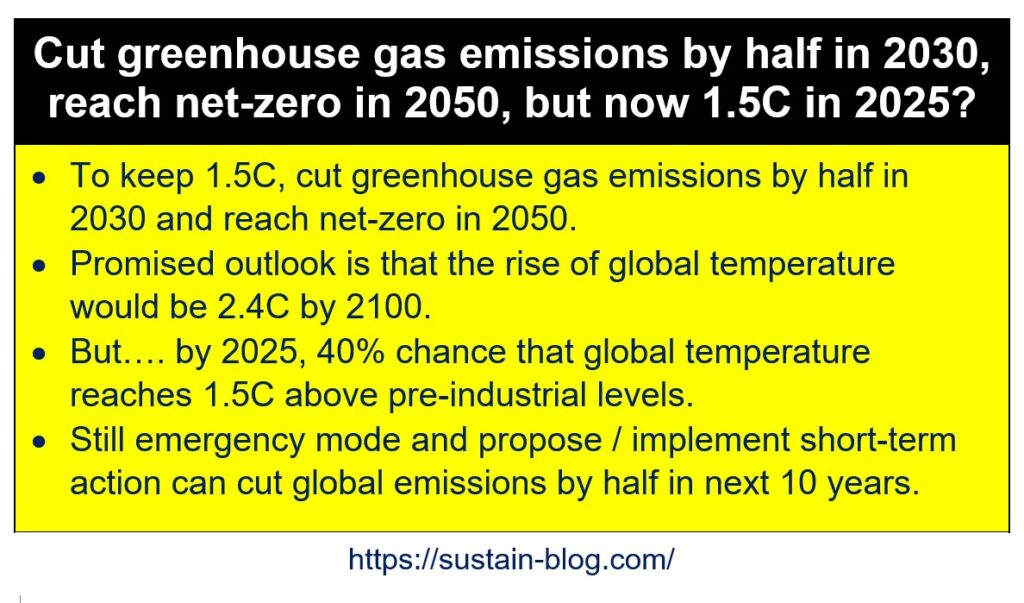
The 1.5°C threshold is a globally agreed limit defined by the Intergovernmental Panel on Climate Change (IPCC) as the increase in average surface temperature relative to the pre‑industrial baseline (1850‑1900). When the global mean stays above this level for an entire month, the month is counted as a breach. Twelve consecutive breaches indicate that the planet is no longer experiencing temporary fluctuations but a persistent shift in the climate system. This metric differs from short‑term heat waves because it is based on globally averaged, monthly‑mean temperatures derived from satellite and surface observations.
How Does It Work?
1. Energy Imbalance
Human activities release carbon dioxide (CO₂), methane (CH₄), and other greenhouse gases (GHGs) that trap infrared radiation, creating an energy surplus in the Earth‑atmosphere system. The excess energy raises surface temperatures.
2. Feedback Loops
Warming triggers feedbacks that amplify the initial forcing. For example, melting Arctic sea ice reduces surface albedo, causing the ocean to absorb more solar energy, which in turn accelerates further melt.
3. Temperature Averaging
Monthly global‑mean temperature is calculated by weighting surface observations and satellite data across land, ocean, and ice. When this average exceeds +1.5°C relative to the pre‑industrial baseline, the month is recorded as a breach.
What Does the Evidence Show?
Multiple lines of evidence converge on the conclusion that the 1.5°C threshold has been repeatedly crossed:
- Observational records: NOAA’s Global Surface Temperature Dataset (2023) shows a monthly anomaly of +1.53°C for July 2023, the twelfth month in a row above the limit.
- Satellite data: NASA’s MODIS instrument reports consistent warming trends across all latitudes, with Arctic amplification of ~2.0°C per decade.
- Assessment reports: The IPCC Sixth Assessment Report (2021) states that cumulative emissions of ~2,300 GtCO₂ have already locked in >1.5°C warming.
- Attribution studies: A 2022 multi‑model attribution analysis attributes >95% of the observed warming since 1950 to anthropogenic GHGs.
These independent sources—ground stations, satellite sensors, and peer‑reviewed model ensembles—provide strong, corroborating evidence of sustained warming.
Main Causes or Drivers
Direct Causes
- Combustion of coal, oil, and natural gas for energy production (accounting for ~75% of CO₂ emissions).
- Agricultural activities that emit methane and nitrous oxide.
- Deforestation and land‑use change that reduce carbon sinks.
Underlying Drivers
- Economic growth models reliant on fossil‑fuel infrastructure.
- Lack of global carbon pricing mechanisms.
- Population growth in rapidly urbanizing regions.
Environmental and Human Impacts
Environmental Impacts
- Accelerated melt of Greenland and Antarctic ice sheets, contributing ~0.8 mm per year to global sea‑level rise (IPCC, 2021).
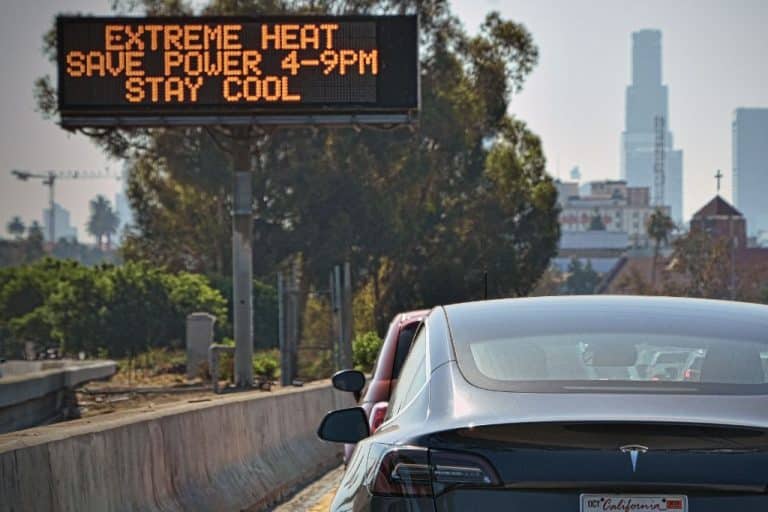
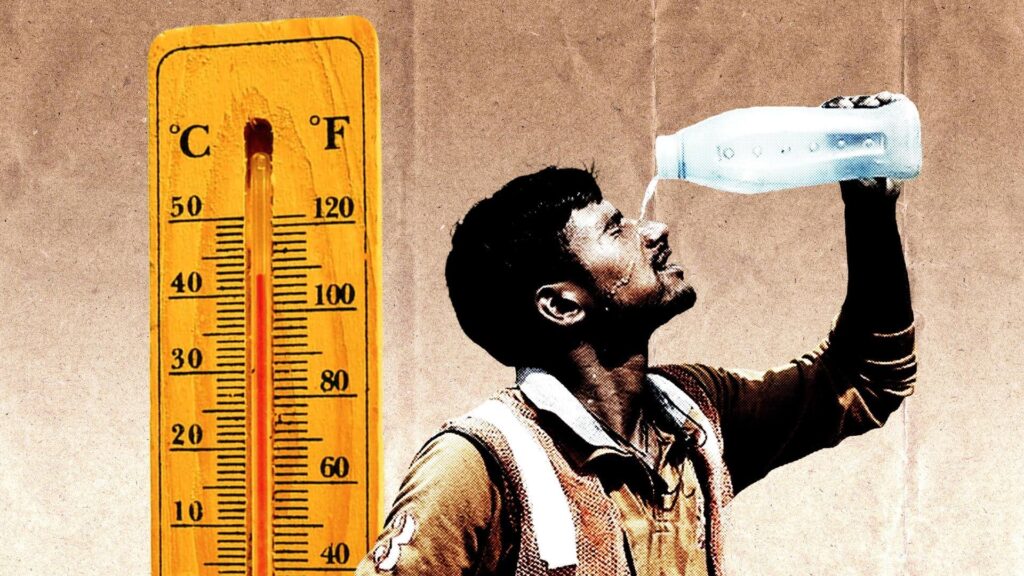
- Increased frequency of extreme heat events, with the number of days >35 °C rising by 30% in the Mediterranean since 1980.
- Shifts in species ranges, especially in alpine and marine ecosystems, leading to localized biodiversity loss.
Human Health and Social Impacts
- Heat‑related mortality rises, particularly among older adults in low‑income cities lacking cooling infrastructure.
- Expansion of vector‑borne diseases such as dengue, as Aedes mosquitoes expand into higher latitudes.
- Food‑security pressures from altered precipitation patterns, reducing wheat yields in South Asia by up to 5% per °C of warming (FAO, 2022).
Economic and Infrastructure Impacts
- Coastal flooding threatens infrastructure worth an estimated US$1.2 trillion in Southeast Asia (World Bank, 2022).
- Insurance losses from climate‑related disasters have risen 40% globally since 2015.
Regional Differences
Impact intensity varies with geography, socioeconomic capacity, and local climate dynamics:
- Arctic: Temperatures are rising nearly twice the global average, leading to permafrost thaw and infrastructure instability.
- Small Island Developing States: Sea‑level rise threatens habitability; Maldives and Kiribati face potential displacement of up to 150,000 people.
- Sub‑Saharan Africa: Projected decline in rain‑fed agriculture could exacerbate existing food insecurity.
- Europe: Increased heatwave frequency stresses water resources, especially in Mediterranean basins.
What Scientists Know With High Confidence
What Scientists Know With High Confidence
- Human‑generated GHG emissions are the primary cause of observed warming since the mid‑20th century.
- Warming above 1.5°C increases the likelihood of extreme heat, heavy precipitation, and sea‑level rise.
- Arctic amplification is a robust and well‑documented phenomenon.
- Continued emissions at current rates will lock in additional warming beyond 1.5°C for centuries.
What Remains Uncertain
What Remains Uncertain
Key uncertainties include the magnitude of carbon‑cycle feedbacks from permafrost thaw, regional climate sensitivity in tropical ocean basins, and the socioeconomic pathways that will shape future emissions. Improved monitoring of methane leaks and better representation of cloud processes in climate models could narrow these gaps.
Common Misconceptions
Common Misconceptions
Misconception: A single hot month proves climate change.
Reality: The 1.5°C breach is measured as a sustained, global‑average signal over many months and is corroborated by decades of data, not by isolated weather events.
Misconception: Only polar regions are affected.
Reality: While the Arctic warms fastest, sea‑level rise, heatwaves, and agricultural shifts affect virtually every continent.
Misconception: Renewable energy alone will stop warming.
Reality: Decarbonisation requires a combination of clean energy, energy efficiency, demand‑side management, and policy frameworks that address emissions from industry, agriculture, and land use.
Misconception: Individual lifestyle changes are enough.
Reality: Personal actions matter, but systemic change—through regulations, market incentives, and infrastructure investment—is essential to achieve the rapid emissions reductions the IPCC calls for.
Solutions and Limitations
Effective responses fall into three broad categories:
- Mitigation: Rapid phase‑out of coal, expansion of wind and solar capacity, and carbon‑capture technologies. Limitations include high upfront costs, material supply constraints, and the need for grid modernization.
- Adaptation: Building flood‑resilient infrastructure, developing drought‑tolerant crops, and enhancing early‑warning systems. Trade‑offs involve land‑use conflicts and potential displacement during relocation projects.
- Conservation & Restoration: Protecting existing forests, restoring mangroves, and promoting regenerative agriculture. Effectiveness depends on long‑term governance and may be offset by future climate stressors.
What Individuals, Communities, and Governments Can Do
What Individuals Can Do
- Reduce household energy use by upgrading insulation and switching to LED lighting.
- Choose low‑carbon transportation options (public transit, cycling, electric vehicles when feasible).
- Support policies that price carbon and fund renewable energy projects.
What Communities and Organizations Can Do
- Implement community solar programs to increase local renewable generation.
- Develop climate‑resilient land‑use plans that preserve wetlands and green spaces.
- Offer workforce training for green‑technology jobs.
What Governments Can Do
- Adopt nationally determined contributions (NDCs) that align with net‑zero emissions by mid‑century.
- Invest in climate‑smart agriculture and water‑management infrastructure.
- Enforce stricter building codes that require energy‑efficient designs.
Closing Synthesis
The twelve‑month streak of temperatures above the 1.5°C threshold confirms that the planet is in a sustained warming phase with clear, high‑confidence impacts on sea level, extreme weather, and ecosystems. While uncertainties remain—particularly regarding regional feedbacks and future emissions pathways—the scientific consensus provides a solid basis for decisive mitigation, adaptation, and conservation actions. Addressing the challenge requires coordinated effort across individuals, communities, industry, and governments, with an emphasis on equity and long‑term resilience.
Frequently Asked Questions
What does it mean when the 1.5°C threshold is breached for a month?
It means the global average surface temperature for that month is more than 1.5°C above the pre‑industrial baseline, indicating a sustained shift rather than a short‑term weather event.
Why is the 1.5°C limit considered a critical climate target?
The IPCC identified 1.5°C as the point beyond which risks of extreme heat, sea‑level rise, and irreversible ecosystem loss increase sharply, making it a key benchmark for limiting dangerous climate change.
Which human activities are the main drivers of the current warming trend?
Burning fossil fuels for energy, industrial processes, deforestation, and agricultural emissions of methane and nitrous oxide together account for the majority of greenhouse‑gas forcing that pushes temperatures above 1.5°C.
What are the most certain impacts of staying above 1.5°C?
High‑confidence impacts include accelerated ice melt in Greenland and Antarctica, rising global sea level, more frequent heatwaves, and heightened risk of food‑security challenges in vulnerable regions.
Can individual actions alone keep global warming below 1.5°C?
Individual lifestyle changes help reduce emissions, but achieving the 1.5°C goal requires systemic policies, large‑scale renewable energy deployment, and coordinated international action.





Leave a Comment