
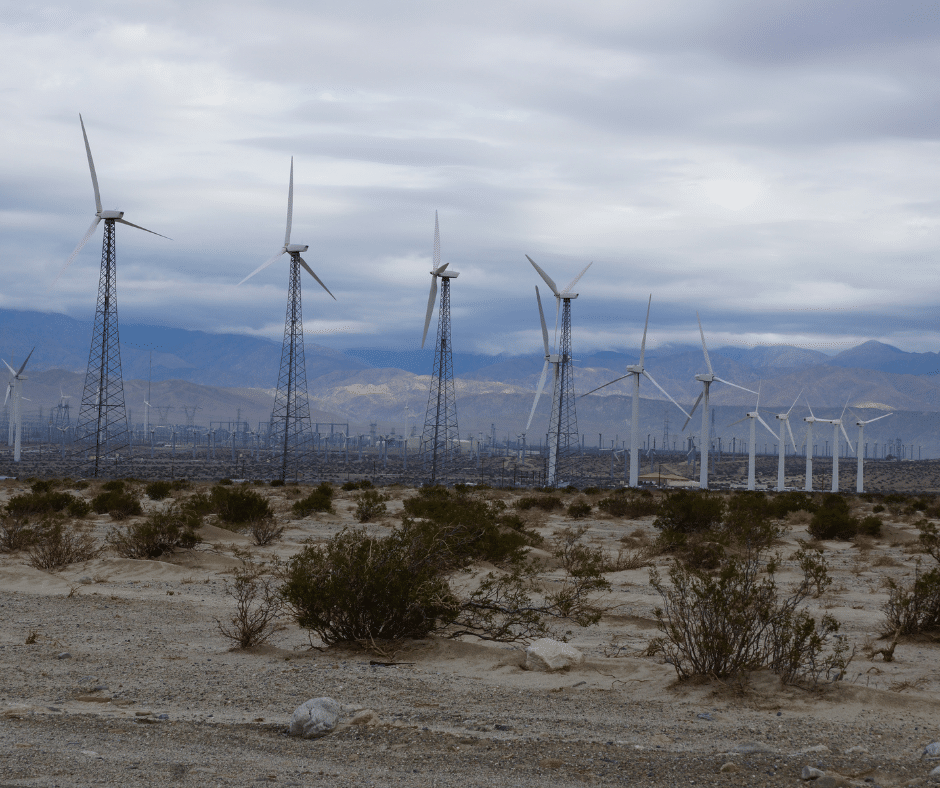
The debate surrounding wind farms and their environmental implications is fraught with complexity. As the world grapples with climate change and seeks sustainable energy solutions, the question of whether wind farms are genuinely destructive to the environment has taken center stage. This inquiry necessitates a thorough examination of various dimensions, including ecological impact, economic viability, and technological progression.
First, one must consider the ecological footprint of wind farms. While they are often lauded as renewable energy sources that mitigate greenhouse gas emissions, the construction and operation of wind farms do not come without ecological costs. The installation phase can disrupt local wildlife habitats and necessitates alterations to the landscape. Various species, especially birds and bats, face an increased risk of fatal encounters with the turbine blades. Studies indicate that migratory routes can be affected, leading to shifts in local fauna and flora populations. However, the magnitude of these impacts often varies based on the location and design of the wind facility.
In juxtaposition, the long-term benefits of wind energy may far outweigh these initial ecological disturbances. The operational phase of wind farms produces minimal direct emissions, allowing for a significant reduction in the reliance on fossil fuels. For instance, a comprehensive life-cycle assessment reveals that the carbon footprint of wind energy is substantially lower than that of coal or natural gas. Thus, while short-term environmental disruptions during the installation phase are conceivable, the overarching narrative sings praises for wind energy in the battle against climate change.
Moreover, the economic aspects of wind farm development also merit scrutiny. The transition to renewable energy sources, particularly wind power, brings forth both opportunities and challenges. The initial capital outlay for wind projects is considerable, which raises concerns regarding their economic feasibility. Nonetheless, the operational expenditures tend to be relatively low, and over time, wind farms can deliver energy at a competitive price, making them economically viable. Additionally, job creation is an undeniable benefit; thousands of jobs across various sectors—such as engineering, manufacturing, and maintenance—arise from wind energy initiatives. The long-term financial benefits for communities often counterbalance the transient disruption caused during construction.
Integration into the existing energy grid presents another facet of the wind farm debate. The intermittency associated with wind energy—its reliance on weather conditions—poses significant challenges. Energy storage solutions, such as batteries and pumped hydro, are essential for balancing supply and demand and enhancing the viability of wind as a primary energy source. However, the technological advancements in energy storage systems are promising, providing hope for a more stable energy future. Thus, while wind power is not without its challenges, ongoing innovation continues to ameliorate concerns related to grid integration.
It’s also vital to explore public opinion and community engagement regarding wind farms. Many communities may express apprehension about local wind projects due to perceived environmental or aesthetic harm. NIMBYism, or “Not In My Backyard” sentiment, often plays a significant role in opposition to wind farm developments. However, when communities are actively engaged in the dialogue surrounding wind energy, and when they see the long-term benefits—including clean energy production and economic growth—they are more likely to embrace such initiatives. Transparency in communication, coupled with community investment and involvement, often dispels apprehensions and fosters a sense of ownership over the wind energy projects.
Furthermore, one must consider the land use implications of wind farms. Installing turbines often necessitates the conversion of agricultural or natural land into energy production zones. While this conversion can raise concerns regarding food security and biodiversity, many wind farms co-exist harmoniously with agricultural practices. By implementing dual-use strategies, such as agrovoltaics, farmers can cultivate crops beneath the turbines, thus enabling the simultaneous pursuit of energy production and food agriculture. This innovative approach not only sustains local economies but also demonstrates that renewable energy installations need not be at odds with existing land uses.
Looking forward, the potential risks of wind energy, particularly in terms of wildlife impact and land use, necessitate continuous research and development. Investment in more sophisticated turbine designs and siting procedures can mitigate some adverse effects on avian populations and enhance compatibility with local ecosystems. Furthermore, as public interest in sustainable energy burgeons, there lies an ethical imperative to address the social and environmental ramifications associated with wind farm development.
In conclusion, the question of whether wind farms really destroy the environment cannot be answered with a simple yes or no. The environmental trade-offs must be weighed against the pressing need for sustainable energy solutions in the face of global climate change. While there are undeniable impacts associated with wind energy development, especially during the initial phases, the long-term benefits—both environmentally and economically—often present a compelling case for their continued evolution and integration into the energy grid. The future of energy lies not just in mitigating our environmental footprint but in innovating solutions that allow us to thrive in harmony with our surroundings. As stewards of the planet, our commitment to finding responsible ways to harness wind energy may well determine the balance between prosperity and environmental preservation for generations to come.





Leave a Comment