
As the world moves closer to a sustainable future, the quest for renewable energy sources has never been more paramount. Wind energy, in particular, has emerged as a formidable contender in the global effort to reduce carbon emissions and combat climate change. Yet, how much do we truly understand about the machinery that harnesses the wind’s power? The fascinating array of wind turbines available today can often leave one perplexed. Are you ready to unravel their complexities and uncover the unique characteristics of various types of wind turbines?
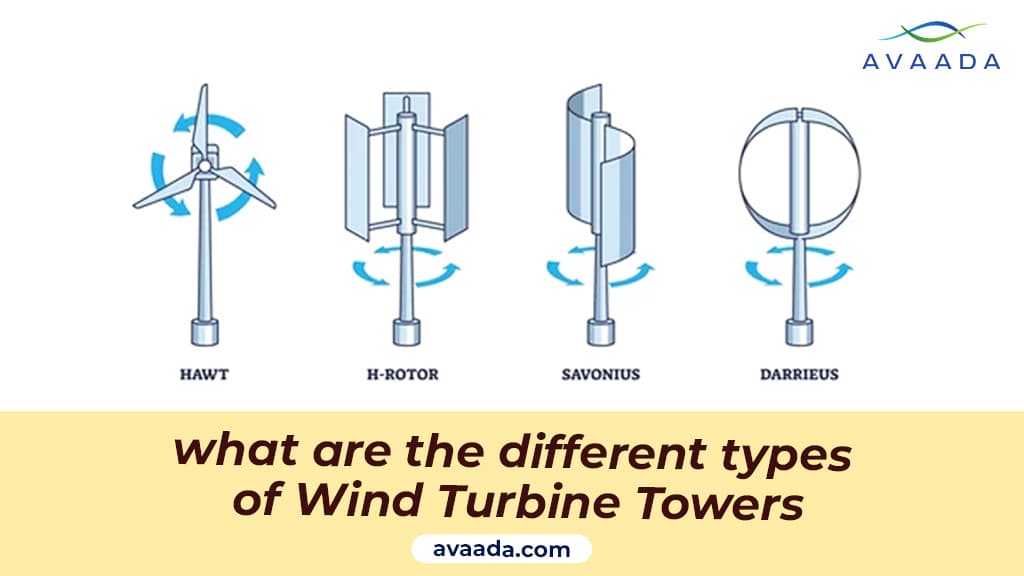
First, let’s delve into the two primary categories of wind turbines: horizontal-axis wind turbines (HAWTs) and vertical-axis wind turbines (VAWTs). Each class presents distinct benefits and challenges that warrant exploration. Are they as straightforward as they appear, or do they harbor intricacies that demand attention?
1. Horizontal-Axis Wind Turbines (HAWTs)
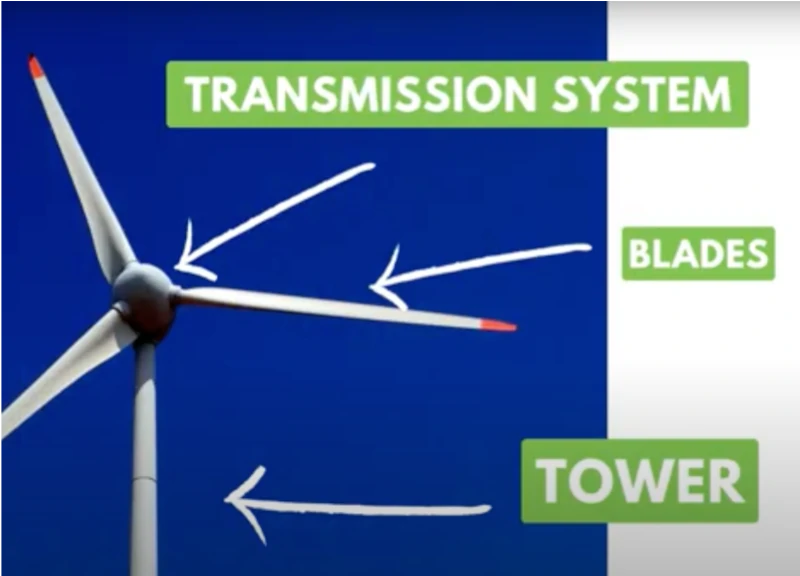
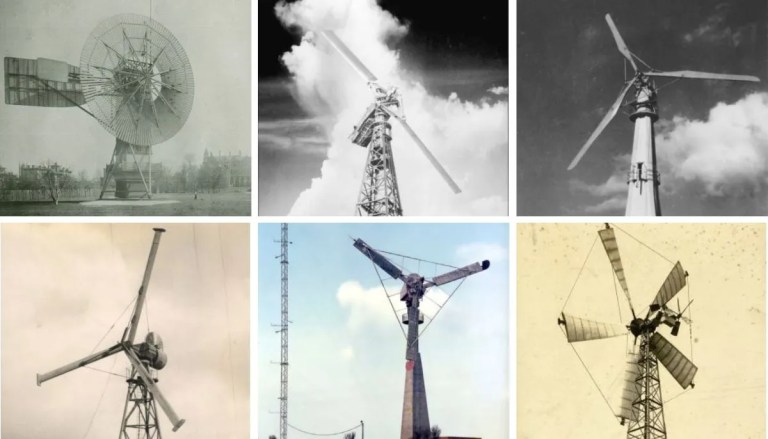
HAWTs are perhaps the most recognizable type of wind turbine. Picture the towering structures you see dotted across open landscapes, their blades gracefully rotating in the breeze. These turbines operate on a simple yet brilliant principle: they capture the kinetic energy of wind and convert it into mechanical energy. With blades that are typically mounted on a tower, HAWTs feature a rotor that spins on a horizontal axis.
One of the most commendable advantages of HAWTs is their efficiency. Due to their design, they can achieve greater rotational speeds and harness wind energy more effectively than their counterparts. This efficiency makes them ideal for large-scale wind farms. Despite their popularity, could their sheer height and size pose an environmental dilemma? After all, towering structures may disrupt bird migratory patterns and impact local ecosystems.
Various subtypes of HAWTs exist, delineated primarily by their size, number of blades, and technology employed:
- Upwind vs. Downwind Designs: In upwind configurations, the turbine faces into the wind, while downwind turbines are oriented in the opposite direction. The former tends to be more prevalent due to its superior energy capture capabilities.
- Three-Blade vs. Two-Blade Turbines: The three-blade models are more common, as they provide a stability that two-blade designs lack. Yet, the latter may be considered for certain applications where space is limited.
In terms of installations, HAWTs often reach heights exceeding 300 feet, a staggering dimension that raises questions about its visibility and aesthetic implications. Furthermore, the debate about noise pollution from spinning blades remains pertinent, challenging advocates of wind energy to find solutions that balance efficiency with community concerns.
2. Vertical-Axis Wind Turbines (VAWTs)
While HAWTs dominate the landscape, VAWTs offer a compelling alternative. With their rotor positioned vertically, these turbines present a different paradigm for wind energy conversion. Their design—and perhaps their unconventional appearance—sparks curiosity: could these turbines redefine our interactions with the wind?
One of the defining traits of VAWTs is their omnidirectional capabilities. They can harness wind from any direction, eliminating the need for complex yaw mechanisms to align with changing wind patterns. This adaptability makes VAWTs particularly suited for urban environments where wind turbulence is more common. However, can these benefits outweigh the inherent inefficiencies typically associated with VAWTs?
In general, VAWTs are known for lower energy output compared to their HAWT counterparts. This is largely due to their smaller size and blade configuration. Yet, their ability to operate at lower wind speeds makes them attractive in certain contexts where HAWTs may falter. Two primary types of VAWTs deserve mention:
- Darrius Turbines: Characterized by their curved blades, these units utilize lift to operate efficiently, making them a fascinating study of aerodynamic principles.
- Savonius Turbines: With scooped blades, Savonius turbines generate torque based on drag forces. Although less efficient than other designs, they provide an effective solution for specific low-speed applications.
As we assess the strengths and limitations of VAWTs, it’s essential to consider the contexts in which these turbines may thrive. How do we integrate their design into urban infrastructure while maximizing energy production and minimizing disruption? The challenge lies in navigating technical advancements and public perception.
3. Offshore vs. Onshore Wind Turbines
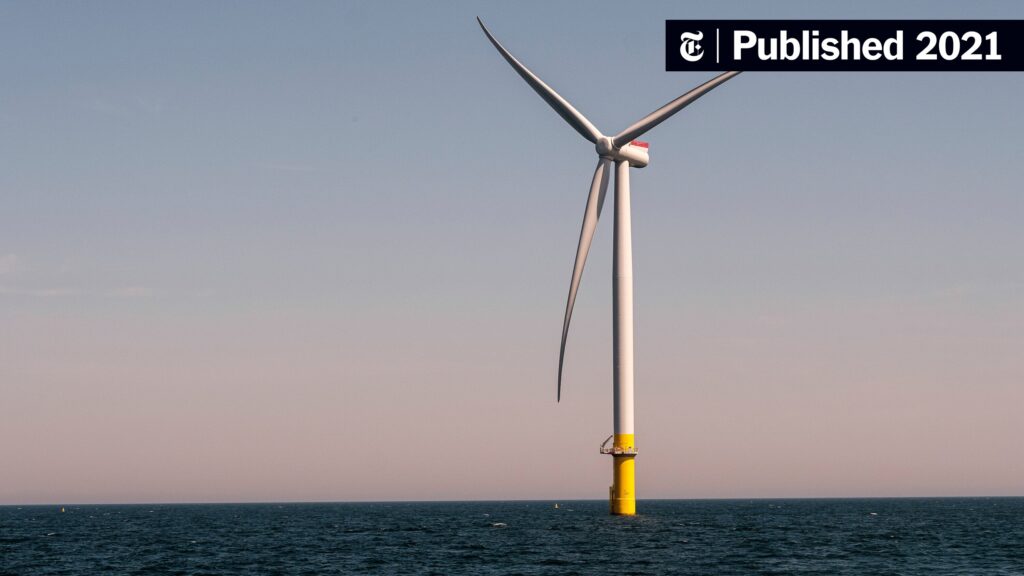
When discussing wind turbines, one must also consider the geographical dimensions of their deployment—specifically, the distinction between offshore and onshore wind turbines. Offshore wind farms have gained traction, taking advantage of its greater wind availability and potentially higher energy yields. However, this development is not without challenges. Can we balance the ecological impacts of marine installations with the urgent need for renewable energy?
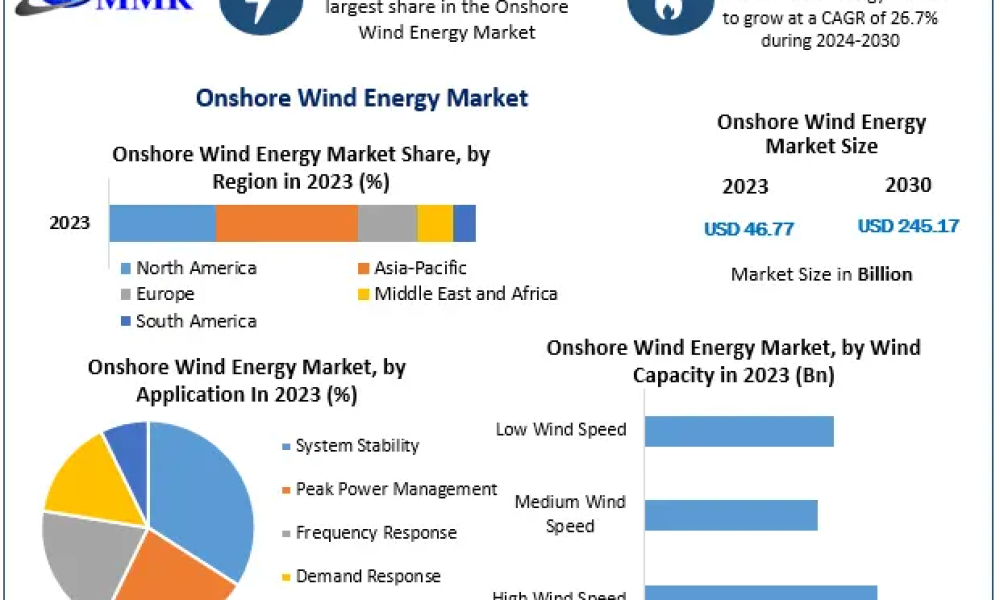
Onshore wind turbines are typically easier to install, maintain, and access compared to their offshore counterparts. Yet, local communities sometimes exhibit resistance against new wind farms, citing noise, visual concerns, and the impact on wildlife as valid objections. How do we reconcile community engagement with the urgent global imperative for renewable energy sources?
As wind energy technology continues to evolve, it is paramount to remain cognizant of the differing characteristics of wind turbines. The variety of machines available highlights the principal idea that there is no one-size-fits-all solution. Each type brings its own set of benefits and challenges, both of which demand thorough consideration.
In conclusion, the exploration of wind turbine varieties unveils a vibrant tapestry of technological innovation tailored to meet diverse energy needs. Whether through horizontal-axis turbines capturing vast landscapes’ winds or vertical-axis systems finding their place in urban locales, the future of wind energy is bright yet complex. With an open mind and collaborative spirit, we may navigate the intricacies of wind energy while forging a more sustainable future for all.





Leave a Comment