
Wind energy captures the kinetic power of moving air and converts it into electricity, offering a renewable, low‑carbon option that can help meet global energy demand while reducing climate impacts.
Quick Answer
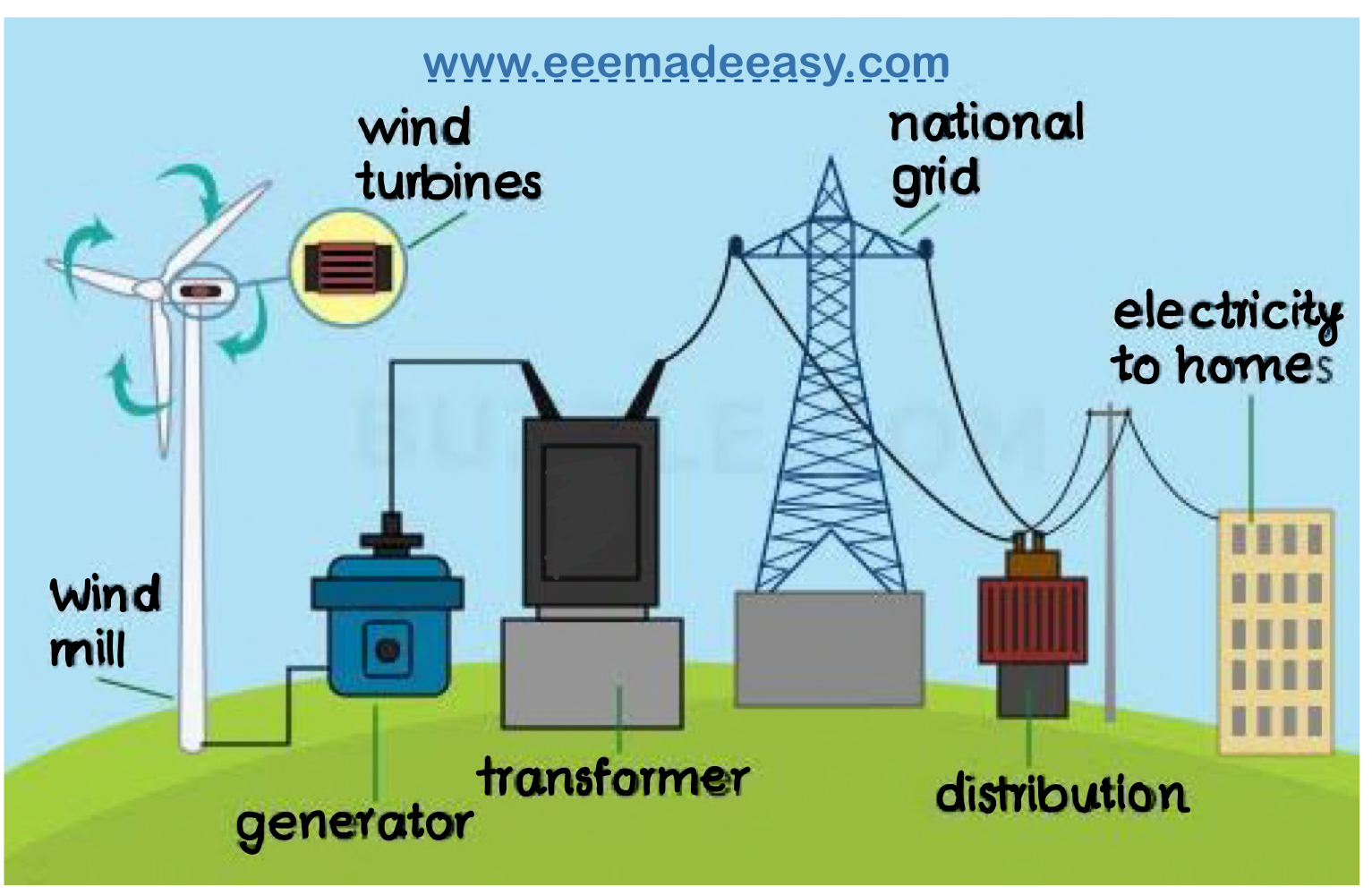
Wind energy is the process of converting the kinetic energy of wind into electrical power using turbines. Wind passes over turbine blades, causing them to rotate; this mechanical motion drives a generator that produces electricity. Scientific assessments such as the International Energy Agency report that wind power provides about 7% of global electricity generation and has a negligible greenhouse‑gas emissions profile. The main impact is a substantial reduction in fossil‑fuel‑related emissions, though variability in wind speed introduces intermittency that requires complementary storage or grid management solutions.
Key Takeaways
- Wind energy converts kinetic wind energy into electricity with no fuel combustion.
- Global installed capacity exceeded 800 GW in 2022, according to the International Energy Agency.
- Life‑cycle emissions are among the lowest of all energy sources, helping mitigate climate change.
- Intermittency and site‑specific wind resources are the primary technical challenges.
- Economic benefits include job creation, tax revenue, and reduced energy import costs.
What Is Wind Energy Explained: A Beginner’s Guide?
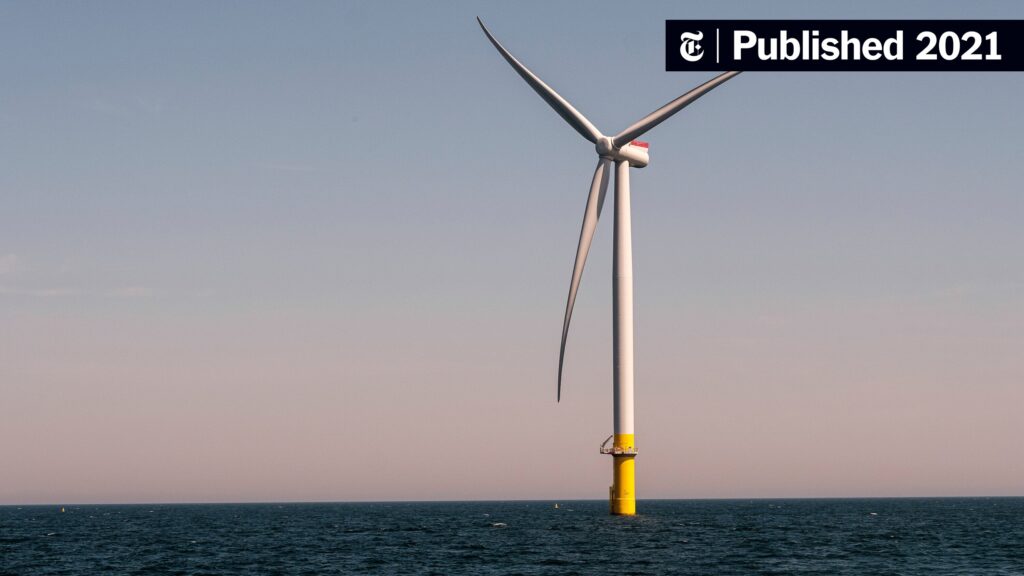
Wind energy refers to the generation of electricity by harnessing the kinetic energy of moving air. It is classified into two main system types: onshore wind farms, which are built on land, and offshore wind farms, located in coastal or deep‑water areas where wind speeds are typically higher and more consistent. Unlike fossil fuels, wind is a renewable resource that does not deplete as long as the sun continues to heat the Earth’s surface.
How Does It Work?
Wind Formation and Energy Source
Solar heating creates temperature gradients that cause air to rise and cooler air to flow in, generating wind. The kinetic energy of this moving air can be captured by turbines.
Turbine Components and Power Conversion
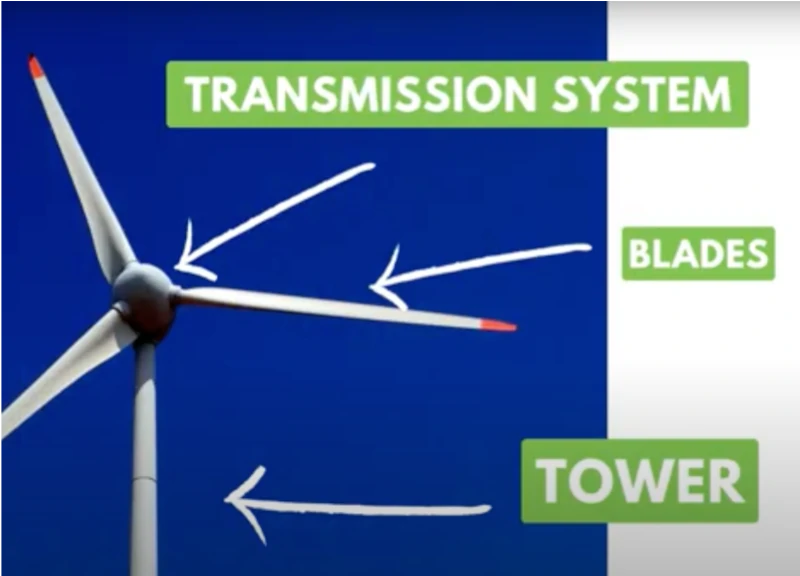
- Rotor and blades: Aerodynamically shaped blades capture wind, causing the rotor to spin.
- Gearbox (in many designs): Increases rotational speed to match generator requirements.
- Generator: Converts mechanical rotation into electrical energy through electromagnetic induction.
- Power electronics: Condition the electricity to match grid frequency and voltage.
- Control system: Adjusts blade pitch and turbine yaw to optimise performance and protect against extreme winds.
From Wind to the Grid
Electricity produced at the turbine is transmitted via cables to a substation, where it is stepped up in voltage and fed into the regional transmission network. Grid operators balance wind output with other generation sources to maintain reliability.
What Does the Evidence Show?
Long‑term monitoring by national meteorological agencies and independent assessments demonstrate that wind turbines achieve capacity factors of 30‑45 % in favourable locations, meaning they generate a substantial fraction of their rated power over a year. The Intergovernmental Panel on Climate Change (IPCC) identifies wind energy as a key mitigation option, estimating that expanding wind capacity could avoid up to 1.5 GtCO₂ yr⁻¹ of emissions by 2050. Systematic reviews of life‑cycle analyses consistently find wind’s greenhouse‑gas emissions to be less than 15 g CO₂‑eq kWh⁻¹, far lower than coal or natural gas.
Main Causes or Drivers
Natural Drivers
Wind patterns are driven by solar heating, Earth’s rotation, and topographic influences, creating predictable high‑wind corridors such as coastal plains and mountain passes.
Human Drivers
Policy incentives (e.g., renewable portfolio standards), declining turbine costs, and corporate sustainability commitments have accelerated wind deployment worldwide.
Environmental and Human Impacts
Environmental Impacts
- Climate mitigation: Displaces fossil‑fuel generation, reducing CO₂ and air pollutants.
- Land use: Onshore turbines occupy a small footprint; the land between turbines often remains for agriculture or grazing.
- Wildlife: Turbine blades can cause bird and bat mortality, though mitigation measures such as siting guidelines and curtailment during migration periods reduce impacts.
- Water use: Wind power requires virtually no water for operation, conserving this resource compared to thermal power plants.
Human Health and Social Impacts
- Reduced air‑pollution‑related health risks in communities near former coal plants.
- Noise and visual concerns can affect local acceptance; community engagement and setback distances help address these issues.
Economic and Infrastructure Impacts
- Job creation across manufacturing, construction, operation, and maintenance sectors.
- Revenue from land lease payments and local taxes.
- Grid integration costs, including transmission upgrades for remote offshore sites.
Regional Differences
Wind resources and deployment patterns vary widely. Europe leads in offshore capacity, with the United Kingdom and Germany hosting large floating turbine projects, while the United States dominates onshore capacity in the Midwest’s “wind corridor.” In tropical regions, higher turbulence can lower turbine efficiency, but emerging technologies are adapting designs for these conditions. Developing nations often face financing and grid‑connection challenges that limit rapid expansion.
What Scientists Know With High Confidence
- Wind energy produces electricity with near‑zero operational greenhouse‑gas emissions.
- Life‑cycle emissions are among the lowest of all electricity generation technologies.
- Integrating wind with storage or complementary renewable sources can maintain grid reliability.
- Policy support and cost reductions are the primary drivers of recent capacity growth.
What Remains Uncertain
Key uncertainties include the long‑term durability of offshore turbine foundations in increasingly harsh marine environments, the scale‑up potential of floating wind technology, and the socioeconomic outcomes for communities where large wind farms replace existing land uses. Better high‑resolution wind resource mapping and cost‑benefit analyses are needed to refine deployment strategies.
Common Misconceptions
Misconception: Wind turbines generate electricity all the time.
Reality: Turbines produce power only when wind speeds are within an operational range (approximately 3–25 m s⁻¹). During calm periods, output drops to zero, requiring backup or storage.
Misconception: Wind farms consume large amounts of water.
Reality: Unlike thermal power plants, wind turbines use negligible water, making them especially valuable in water‑scarce regions.
Misconception: Wind turbines are a major threat to birds.
Reality: While turbine‑related bird mortality occurs, studies show that well‑sited turbines cause far fewer bird deaths than windows, cats, or vehicle collisions.
Solutions and Limitations
Expanding wind capacity is a proven mitigation strategy, but it must be paired with:
- Energy storage (e.g., batteries, pumped hydro) to address intermittency.
- Grid modernization including flexible transmission and demand‑response programs.
- Strategic siting to minimise wildlife impacts and visual concerns.
- Policy mechanisms such as long‑term power purchase agreements that provide revenue certainty.
Each solution carries trade‑offs; for example, large battery installations involve resource extraction and end‑of‑life recycling challenges, while offshore transmission lines can be costly and face permitting hurdles.
What Individuals, Communities, and Governments Can Do
What Individuals Can Do
- Support clean‑energy tariffs and vote for policies that incentivise wind development.
- Choose electricity suppliers that source a high percentage of wind power.
- Participate in local planning meetings to advocate for responsible turbine placement.
What Communities and Organizations Can Do
- Form cooperatives to own or lease land for community‑scale wind projects.
- Partner with universities or NGOs to conduct wildlife impact assessments before siting turbines.
- Develop educational programs that explain wind energy benefits and address concerns.
What Governments Can Do
- Implement clear permitting frameworks that balance renewable expansion with environmental protection.
- Provide financial incentives such as tax credits or low‑interest loans for offshore and onshore wind projects.
- Invest in transmission infrastructure and grid‑integration research to enable higher wind penetration.
Closing Synthesis
Wind energy transforms the natural movement of air into clean electricity, offering a high‑confidence pathway to reduce carbon emissions and diversify energy supplies. While the technology is mature, challenges around intermittency, site suitability, and ecosystem interactions persist. Continued research, thoughtful policy, and collaborative action across individuals, communities, and governments will be essential to realise wind’s full potential as a cornerstone of a sustainable energy future.
Frequently Asked Questions
What is wind energy and how does it generate electricity?
Wind energy captures the kinetic power of moving air with turbine blades; the rotating shaft drives a generator that produces electricity, which is then fed into the power grid.
How much wind power is installed worldwide?
According to the International Energy Agency, global wind power capacity reached about 837 gigawatts in 2022, providing roughly 7 percent of total electricity generation.
What are the main environmental benefits of wind energy?
Wind power emits virtually no greenhouse gases during operation, uses almost no water, and displaces fossil‑fuel electricity, thereby reducing air‑pollution‑related health impacts.
What challenges limit the deployment of wind energy?
Key challenges include the variability of wind speeds, the need for transmission infrastructure, potential wildlife impacts, and the higher upfront cost of offshore installations.
How can individuals support the growth of wind energy?
Individuals can choose electricity suppliers that source wind power, support policies and candidates that promote renewable energy, and engage in local planning processes to encourage responsible turbine siting.





Leave a Comment