
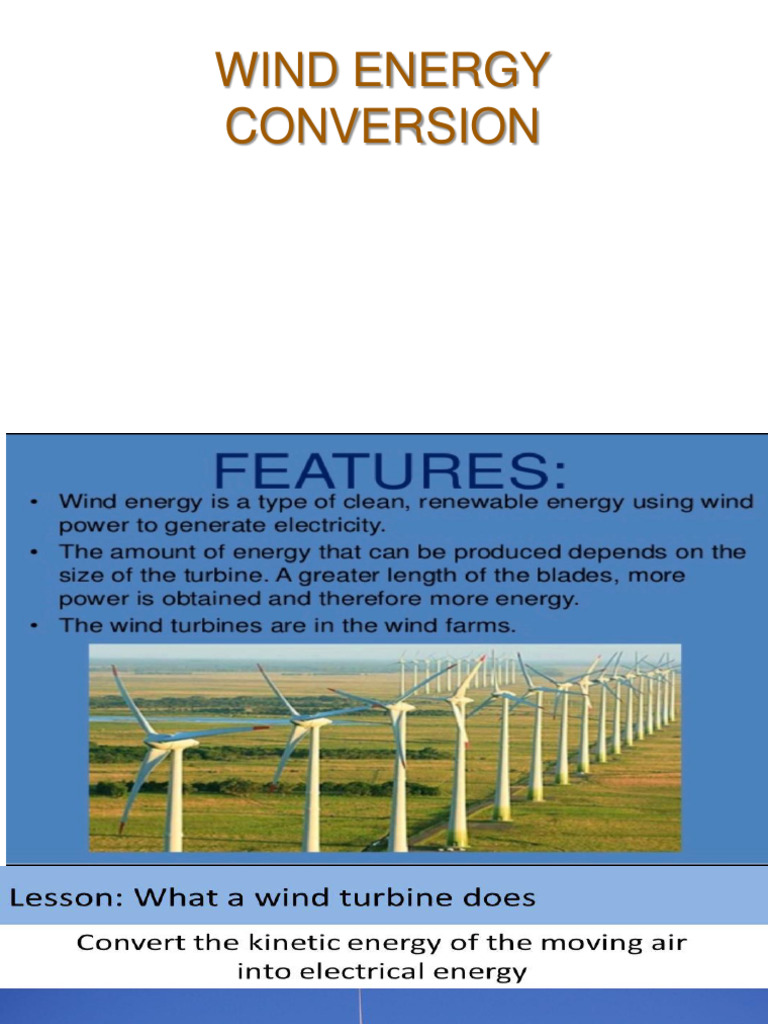
Wind energy has surged to the forefront of sustainable energy solutions, invigorating our quest for cleaner alternatives. But how exactly is this ethereal force of nature transformed into usable energy? The conversion of wind into energy is not merely a technical feat; it represents a complex interplay of engineering, physics, and determination. As we delve into the methods employed to harness wind power, one can’t help but ponder: What challenges could arise if wind energy becomes the dominant energy source worldwide?
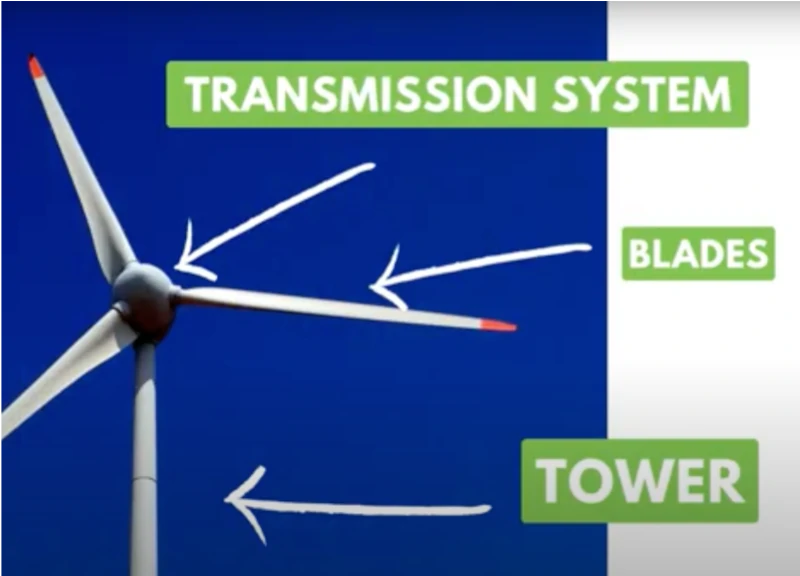
The principal mechanism for converting wind into energy is through wind turbines, which are designed to optimize the kinetic energy of the wind. These structures come in various forms, with both horizontal-axis and vertical-axis turbines being the most commonplace. Horizontal-axis wind turbines (HAWTs), often towering and sleek, have large blades that face directly into the wind. As the wind blows, it imparts force on these blades, causing them to rotate around a central hub. This rotational movement is the crux of the energy generation process.
When the turbine blades begin to turn, they are connected to a drive shaft, which spins a generator, transforming mechanical energy into electrical energy. The generator operates under the principle of electromagnetic induction, where the movement of conductive materials within a magnetic field produces electricity. While this process might seem straightforward, it requires meticulous engineering to ensure efficiency and efficacy, taking into account factors such as wind speed, blade design, and generator capacity.
Vertical-axis wind turbines (VAWTs), though less common, offer distinct advantages in certain applications. Their design allows for winds coming from any direction, eliminating the need for mechanisms to orient them toward the wind. VAWTs are often touted for their durability and lower maintenance requirements. Despite their advantages, they typically generate less power than their horizontal counterparts due to their less efficient blade design. Yet, their unique capabilities can make them suitable for urban environments where space constraints challenge traditional wind installations.
Once the mechanical energy is converted into electrical energy, the next step involves integrating this electricity into the power grid. This transition often requires inverters, which convert the direct current (DC) produced by the generator into alternating current (AC), the standard for electrical systems. Smart grid technology also plays a role here, allowing for real-time adjustments and management of energy distribution based on demand and supply conditions.
Wind farms are the culmination of these technologies working in concert. They consist of clusters of wind turbines positioned to harness the wind resource over a wide area, effectively generating substantial amounts of energy. The placement of turbines is crucial; it requires careful analysis of topography, wind patterns, and ecological impact. The overarching ambition of wind farms is to reach a scale of production that can effectively compete with traditional energy sources and contribute significantly to the renewable energy mix.
However, while wind energy promises a plethora of advantages—chief among them being its potential for minimal environmental impact compared to fossil fuels—challenges abound. One major concern is the variability of wind as a resource. Wind energy generation is inherently intermittent, affected by daily and seasonal fluctuations. Therefore, developing storage solutions or supplementary power systems to ensure a consistent energy supply becomes a vital aspect of relying on wind as a primary energy source. Innovative storage technologies, such as battery systems and pumped hydro storage, are continually evolving to meet this challenge, fostering the vision of a highly flexible energy grid.
Another obstacle lies within the realm of public perception and policy. Wind energy must contend with local opposition regarding land use, aesthetics, and potential impacts on wildlife. Legislative frameworks play a monumental role in shaping the future of wind energy adoption. Incentives, subsidies, and regulations can either facilitate or hinder the uptake of wind technology. Striking a balance between ecological conservation, community interests, and the drive for renewable energy is an intricate puzzle that policymakers are increasingly called to solve.
Moreover, as the demand for wind energy surges, the manufacturing and installation of turbines need to scale correspondingly. Assembling and transporting these massive structures, often referred to as “the logistics of wind,” contributes to greenhouse gas emissions, albeit far less than coal or gas generation. Research into the use of sustainable materials and more efficient manufacturing techniques is ongoing, aimed at minimizing the carbon footprint of wind energy production from its inception to operation.
In conclusion, the methods used to convert wind into usable energy are a testament to human ingenuity, blending science and technology into an effective solution for our energy needs. Wind turbines, whether horizontal or vertical, stand as the harbingers of a cleaner future. Yet, with every advancement, new complexities emerge—issues of consistency, ecological balance, and social dynamics that we must confront. As we navigate the pathway to a wind-powered world, the challenge remains: Can we harmonize our commitment to renewable energy with the intricate realities of our ecosystems and communities? Only time and collective ingenuity will reveal the answer.





Leave a Comment