
Wind power can supply a significant share of global electricity, but its long‑term potential depends on technology, economics, storage, and regional conditions.
Quick Answer
Wind power converts kinetic energy from atmospheric motion into electricity using turbines. The scientific consensus, based on long‑term monitoring and assessment reports, is that wind can reliably provide 10‑20 % of global electricity by mid‑century if combined with cost‑effective storage and grid integration. However, variability, land‑use constraints, and upfront capital create uncertainty about reaching the higher end of projected contributions.
Key Takeaways
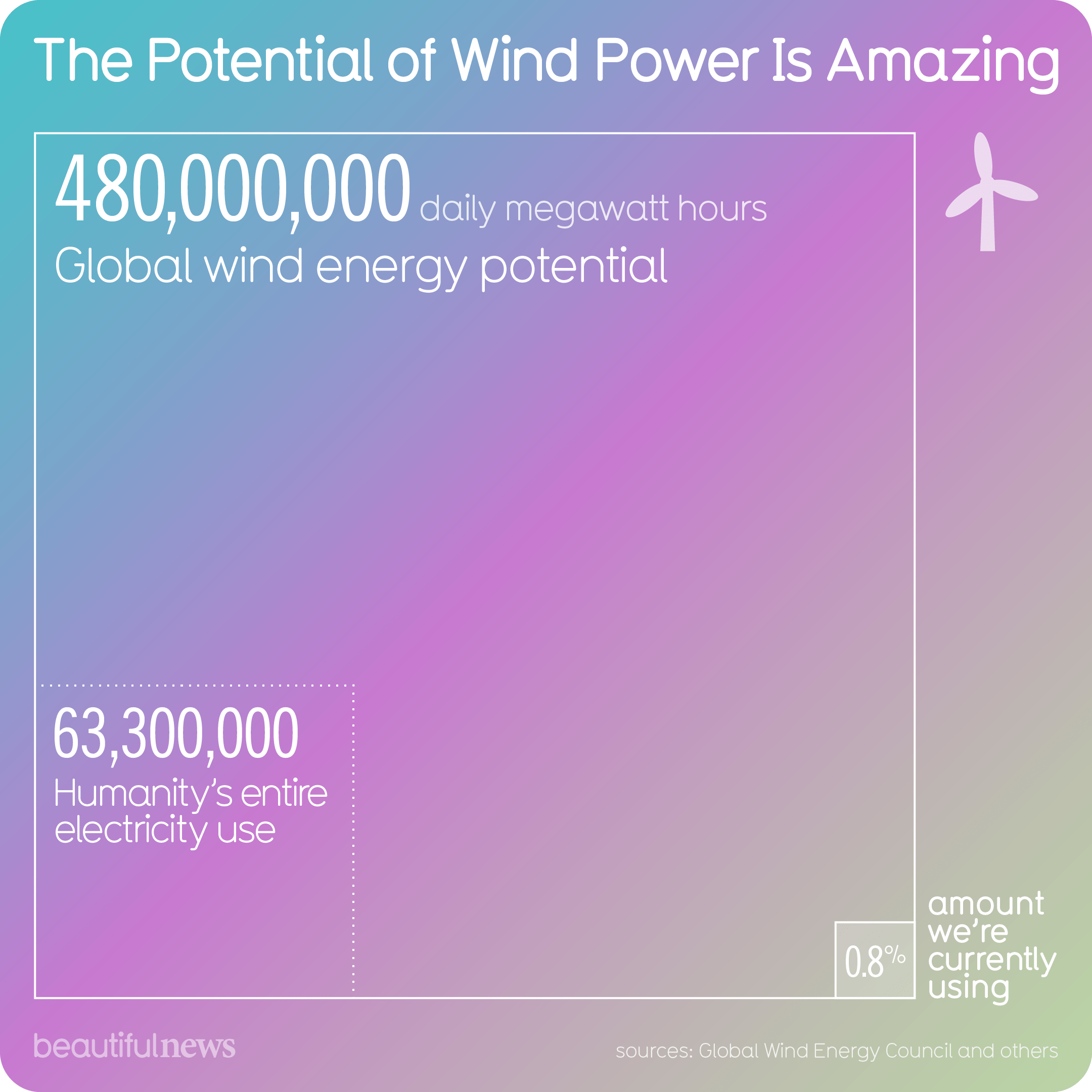
- Wind energy is abundant; the atmosphere contains enough kinetic energy to meet a large fraction of electricity demand.
- Costs have fallen dramatically; onshore wind is now competitive with natural‑gas generation in many markets.
- Intermittency requires storage or flexible generation; battery costs are falling but large‑scale solutions remain limited.
- Geographic suitability varies; coastal and high‑altitude regions offer the highest capacity factors.
- Environmental impacts are generally low but include wildlife collision risk and visual‑acoustic concerns.
- Policy support, grid upgrades, and community engagement are critical for expanding wind capacity.
What Is Wind Power?
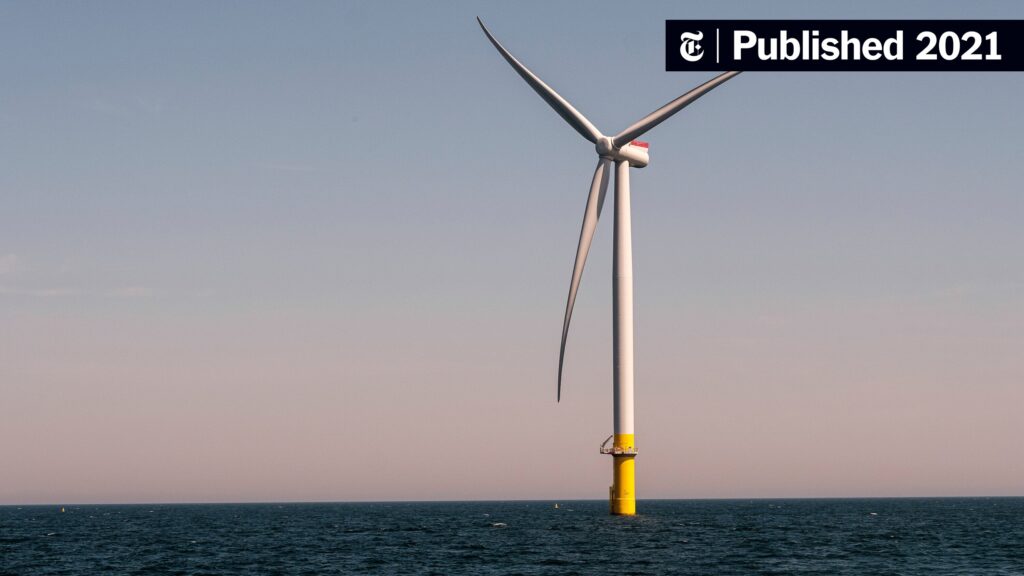
Wind power refers to the generation of electricity by converting the kinetic energy of moving air into mechanical rotation, which drives an electric generator. The technology includes onshore turbines, offshore installations, and emerging formats such as vertical‑axis and airborne systems. Wind differs from other renewables because it does not involve fuel combustion, and its output is directly linked to atmospheric dynamics rather than solar irradiance or water flow.
How Does It Work?
Physical Process
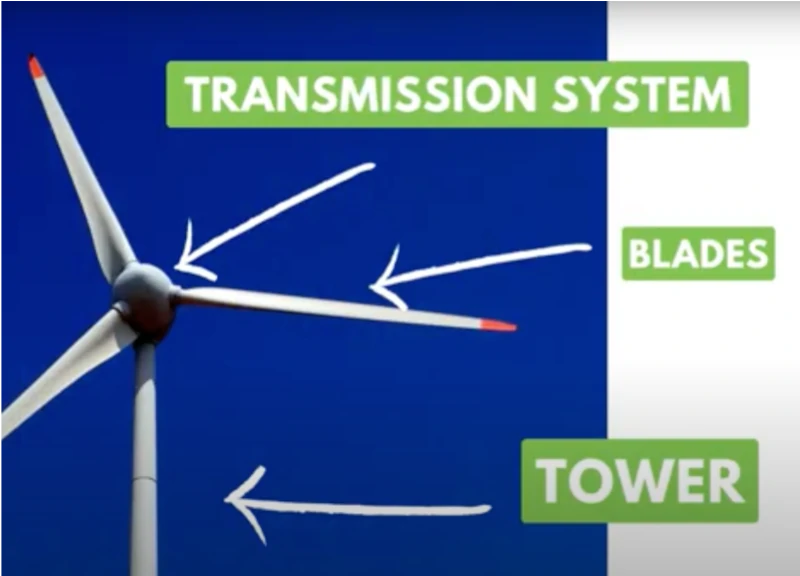
- Wind blows across turbine blades, creating lift that spins the rotor.
- The rotor shaft turns a gearbox (or directly drives a low‑speed generator in direct‑drive designs).
- The generator converts mechanical rotation into alternating current (AC) electricity.
- Power electronics condition the electricity to match grid frequency and voltage, then transmit it via cables.
Grid Integration and Storage
Because wind speed fluctuates over minutes to seasons, grid operators balance supply with demand using three main strategies: (1) geographic diversification of wind farms, (2) complementary flexible resources such as gas peakers or demand‑response, and (3) energy‑storage technologies like lithium‑ion batteries, pumped‑hydro, or emerging hydrogen‑based systems.
What Does the Evidence Show?
Long‑term data from the United States Energy Information Administration (EIA, 2022) show that onshore wind capacity grew from 2 GW in 2000 to over 140 GW in 2022, with capacity factors averaging 35 % in the Midwest. The International Energy Agency’s World Energy Outlook 2023 estimates that, under the Sustainable Development Scenario, wind could provide 12 % of global electricity by 2050, rising to 20 % if storage costs fall below $100 kWh. Peer‑reviewed meta‑analyses (e.g., He et al., 2021, *Renewable & Sustainable Energy Reviews*) confirm that onshore wind levelized cost of electricity (LCOE) has dropped from >$150 /MWh in the early 2000s to <$30 /MWh in many regions, making it competitive with fossil‑fuel generation.
Main Causes or Drivers
Direct Causes
- Atmospheric pressure gradients generated by solar heating create wind.
- Topography and surface roughness influence local wind speed and direction.
Underlying Drivers
- Climate change can alter wind patterns, potentially increasing wind resources in some latitudes while reducing them in others (IPCC, 2021).
- Policy mechanisms such as renewable portfolio standards, feed‑in tariffs, and tax incentives drive investment.
- Technological advances—larger rotors, higher hub heights, and improved materials—enhance energy capture.
Environmental and Human Impacts
Environmental Impacts
Wind turbines emit no greenhouse gases during operation, contributing to climate‑mitigation goals. Lifecycle analyses (e.g., Gagnon et al., 2020, *Energy Policy*) indicate that wind’s carbon intensity is below 15 g CO₂‑eq kWh⁻¹, an order of magnitude lower than coal. Wildlife impacts include bird and bat collisions; studies in Europe report mortality rates of 0.1–0.2 % of local populations, which can be mitigated by siting, turbine design, and curtailment during migration periods.
Human Health and Social Impacts
Communities near wind farms experience low‑level noise and visual change. The World Health Organization (2022) finds no consistent evidence of adverse health effects at typical exposure levels, though perceived annoyance can affect acceptance. Employment generated by wind projects includes construction, operations, and maintenance jobs, often providing higher wages in rural areas.
Economic and Infrastructure Impacts
Capital costs average $1,300‑$1,600 kW⁻¹ for onshore turbines (IEA, 2023). Once built, operating costs are low, and wind farms can provide stable, long‑term revenue streams for landowners. Grid integration may require transmission upgrades, especially for offshore wind, which can entail substantial public investment.
Regional Differences
Wind resources are strongest in mid‑latitude coastal zones and high‑altitude plateaus. For example, the U.S. Great Plains exhibit average capacity factors above 40 %, whereas the Southeast averages 20‑25 %. Europe’s North Sea supports large offshore farms with capacity factors of 45‑50 %, while the Sahara’s low‑pressure system offers high‑altitude wind potential that is still under‑explored. Developing nations often face higher financing barriers and limited grid infrastructure, making on‑site storage or hybrid renewable systems more attractive.
What Scientists Know With High Confidence
- Wind turbines generate electricity without direct CO₂ emissions.
- Onshore wind LCOE has fallen below $30 /MWh in many mature markets.
- Capacity factor is strongly linked to site wind speed; high‑quality sites consistently exceed 35 %.
- Large‑scale deployment requires complementary flexible resources or storage to maintain grid reliability.
What Remains Uncertain
Key uncertainties include the rate of cost decline for long‑duration storage, the magnitude of climate‑driven changes in global wind patterns, and the social acceptability of large offshore farms in densely populated coastal regions. Data gaps in low‑wind‑speed regions limit precise estimation of global technical potential.
Common Misconceptions
Misconception: Wind power can replace all fossil fuels instantly.
Reality: While wind can supply a large share of electricity, sector‑wide decarbonisation also requires low‑carbon heat, transport, and industry solutions.
Misconception: Wind turbines cause more deaths than fossil‑fuel plants.
Reality: Life‑cycle mortality from air‑pollution‑related diseases in coal plants far exceeds the relatively small wildlife mortality associated with wind farms.
Misconception: Wind energy is always cheaper than other renewables.
Reality: In regions with low wind speeds, solar photovoltaic may have a lower LCOE; cost competitiveness is site‑specific.
Solutions and Limitations
Key strategies to unlock wind’s long‑term potential include:
- Technology upgrades: Larger rotors (150 m+), higher hub heights (120 m+), and advanced blade materials increase energy capture but raise material demand and transport challenges.
- Energy storage: Lithium‑ion battery costs have fallen, yet scaling to multi‑day storage remains costly; pumped hydro offers large capacity but requires suitable geography.
- Grid modernization: Flexible AC transmission systems and offshore HVDC links reduce curtailment but involve high capital outlays.
- Policy and market design: Capacity markets, renewable credits, and streamlined permitting accelerate deployment but can create market distortions if not carefully calibrated.
Each solution carries trade‑offs: larger turbines increase visual impact; offshore farms demand marine ecosystem assessments; storage technologies involve resource extraction and recycling considerations.
What Individuals, Communities, and Governments Can Do
What Individuals Can Do
- Support local wind projects through community‑owned cooperatives or public hearings.
- Advocate for policies that fund research into storage and grid flexibility.
- Reduce personal electricity demand to make renewable integration easier.
What Communities and Organizations Can Do
- Conduct site‑specific wind resource assessments to identify optimal locations.
- Partner with utilities to develop micro‑grids that combine wind with storage.
- Implement wildlife monitoring programs to mitigate turbine collision risks.
What Governments Can Do
- Provide stable, long‑term incentives such as tax credits or renewable portfolio standards.
- Invest in transmission corridors that connect high‑wind regions to demand centers.
- Fund research on low‑impact turbine designs and high‑duration storage technologies.
- Ensure equitable siting processes that involve Indigenous peoples and vulnerable communities.
Synthesis of Findings
Wind power offers a robust, low‑carbon electricity source with proven cost declines and expanding technical potential. High‑confidence evidence confirms its climate‑mitigation value, while uncertainties center on storage economics, climate‑driven wind variability, and social acceptance. Realizing wind’s long‑term role will require coordinated technology development, grid upgrades, supportive policy, and inclusive planning that balances environmental benefits with local concerns.
Frequently Asked Questions
How much of global electricity could wind power realistically supply?
Under the International Energy Agency's Sustainable Development Scenario, wind could provide about 12 % of global electricity by 2050, rising to roughly 20 % if low‑cost storage becomes widely available.
Why is wind energy considered intermittent?
Wind speed varies over minutes, hours, and seasons, causing fluctuations in turbine output; this intermittency requires storage or flexible backup to keep the grid balanced.
What are the main environmental concerns linked to wind farms?
The primary concerns are wildlife collisions (especially birds and bats), visual and acoustic impacts on nearby residents, and land‑use competition, all of which can be mitigated with careful siting and design.
How have wind turbine costs changed over the past two decades?
Onshore wind levelized cost of electricity has dropped from over $150 /MWh in the early 2000s to below $30 /MWh in many mature markets, driven by larger turbines, higher hubs, and economies of scale.
What role does energy storage play in expanding wind power?
Storage smooths out periods of low wind, allowing excess generation to be saved and dispatched later; affordable long‑duration storage is essential for higher wind penetration but remains a cost and technology challenge.





Leave a Comment