
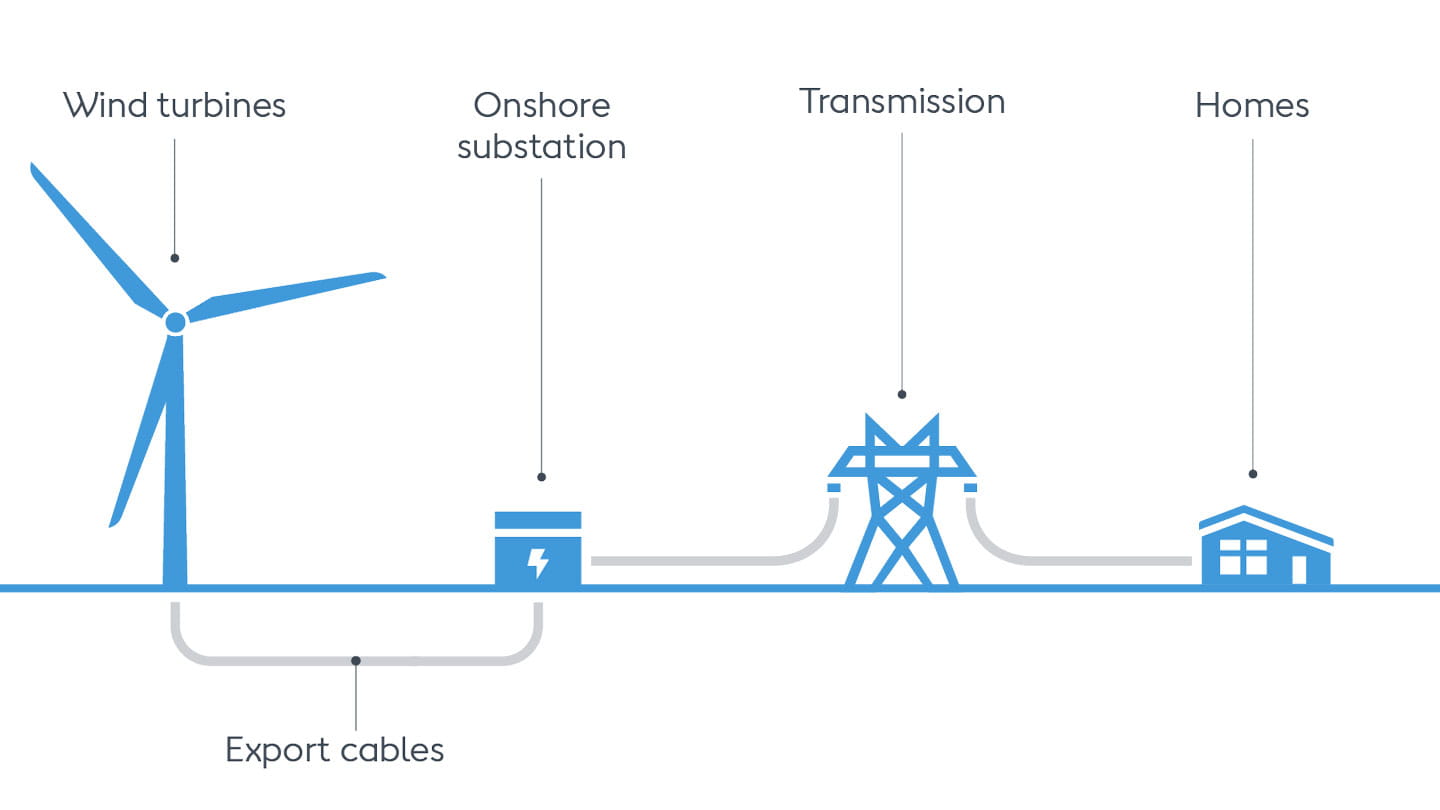
Onshore wind farms are clusters of land‑based wind turbines that convert the kinetic energy of moving air into electricity, providing a renewable, low‑carbon source of power for grids worldwide.
Quick Answer
Onshore wind farms consist of multiple wind turbines installed on suitable terrain; each turbine captures wind, spins a rotor, drives a generator, and feeds electricity into the transmission network. The technology relies on well‑understood aerodynamics and electrical engineering, and it delivers clean power with no direct emissions. While site‑specific wind resources and local opposition can affect feasibility, the overall scientific consensus is that onshore wind is a mature, cost‑competitive renewable energy option.
Key Takeaways
- Onshore wind farms are land‑based arrays of turbines that transform wind kinetic energy into electricity.
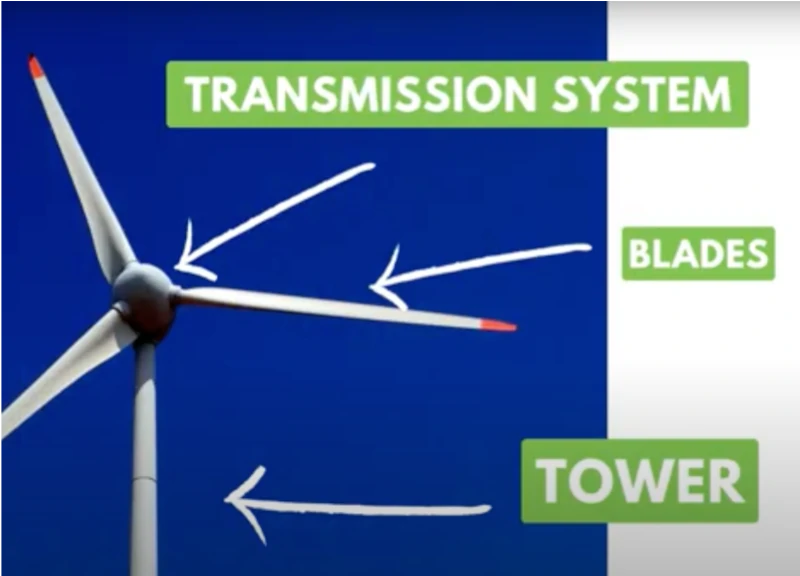
- Modern turbines use a rotor, gearbox, and generator housed in a nacelle atop a tall tower.
- Global capacity has risen steadily; the IEA reported 733 GW of onshore wind installed worldwide by 2022.
- Environmental benefits include avoided CO₂ emissions, while impacts on wildlife and noise require mitigation.
- Economic advantages arise from job creation, local tax revenue, and declining levelized cost of electricity.
What Is What Are Onshore Wind Farms and How Do They Work??
Onshore wind farms are collections of wind turbines sited on land rather than offshore. The term “onshore” distinguishes these installations from offshore farms that sit in seas or lakes. A wind farm may contain a handful of turbines to several hundred, depending on wind resource, land availability, and grid connection capacity. The primary purpose is to generate electricity for the regional or national grid, reducing reliance on fossil‑fuel plants.
Key components include:
- Rotor blades – aerodynamic surfaces that capture wind energy.
- Hub and shaft – transmit rotational motion.
- Gearbox (or direct‑drive system) – increases rotational speed for the generator.
- Generator – converts mechanical rotation into electrical power.
- Nacelle – housing for gearbox and generator.
- Tower – supports the nacelle at a height where wind is stronger and more consistent.
The farm layout is designed to minimise turbulence between turbines, typically spacing them five to ten rotor diameters apart along the prevailing wind direction.
How Does It Work?
Physical conversion process
- Wind flows over the rotor blades, creating a pressure difference that lifts the blades and causes them to rotate.
- The rotating hub turns a low‑speed shaft that enters the gearbox.
- The gearbox (or a direct‑drive system) steps up the rotation to several thousand revolutions per minute.
- The high‑speed shaft drives an electrical generator, producing alternating current (AC).
- Power electronics condition the AC, matching grid frequency and voltage before the electricity is sent down a collection cable to a substation.
- At the substation, transformers increase voltage for long‑distance transmission.
Control and safety systems
Each turbine includes sensors that monitor wind speed, direction, and turbine vibration. A supervisory control and data acquisition (SCADA) system can yaw the nacelle to face the wind, feather the blades to reduce load, or shut down the turbine during extreme conditions. These automated responses protect equipment and maintain grid stability.
What Does the Evidence Show?
Long‑term monitoring by national agencies (e.g., the U.S. Energy Information Administration) demonstrates that onshore wind capacity factors— the ratio of actual output to maximum possible—typically range from 25 % to 45 % depending on site quality. A 2021 systematic review of 30 European wind farms found that average levelized cost of electricity (LCOE) fell from about US$120 / MWh in 2010 to under US$50 / MWh in 2020, making wind competitive with natural‑gas generation in many markets (International Renewable Energy Agency, 2021).
Life‑cycle assessments indicate that wind power offsets 3–5 g CO₂‑equivalent per kWh over its lifetime, far lower than coal (≈820 g CO₂/kWh) or natural gas (≈450 g CO₂/kWh) (IPCC, 2014). Bird and bat mortality studies show site‑specific impacts, but mitigation measures such as curtailment during peak migration reduce fatalities by up to 80 % in some cases (American Wind Wildlife Institute, 2022).
Main Causes or Drivers
Policy and economic incentives
Renewable portfolio standards, feed‑in tariffs, and tax credits have spurred investment by improving project economics.
Technological advances
Larger rotor diameters, higher hub heights, and improved blade materials increase energy capture per turbine, reducing the land footprint per unit of electricity.
Climate mitigation goals
National commitments under the Paris Agreement create demand for low‑carbon power, positioning onshore wind as a key mitigation tool.
Environmental and Human Impacts
Environmental Impacts
Positive impacts include avoided greenhouse‑gas emissions, reduced air‑pollutant emissions (SO₂, NOₓ, PM), and a small land‑use footprint because the space between turbines can remain agricultural or natural habitat. Negative impacts involve visual change, noise, and wildlife collisions. Proper siting and monitoring can mitigate many of these effects.
Human Health and Social Impacts
By displacing fossil‑fuel generation, wind farms improve regional air quality, which the WHO links to lower rates of respiratory disease. However, some communities report concerns about noise and shadow flicker; standards such as the European Union’s “Noise Directive” set limits to protect residents.
Economic and Infrastructure Impacts
Construction creates temporary jobs; operation and maintenance provide long‑term skilled positions. Local tax revenues often fund schools or infrastructure. Grid upgrades may be required, representing an additional cost that is usually shared among utilities and ratepayers.
Regional Differences
In the United States, the Great Plains and Midwest host the highest capacity factors due to consistent winds, while the Eastern Seaboard faces lower wind speeds but benefits from proximity to load centers. Europe’s offshore‑to‑onshore transition has led to dense farms in the UK’s uplands and Denmark’s coastal plains. In emerging markets such as India, land‑availability constraints and monsoon‑driven wind patterns shape farm design, often favoring smaller turbines on existing agricultural land.
What Scientists Know With High Confidence
- Wind energy conversion follows well‑established aerodynamic and electromechanical principles.
- Onshore wind reduces lifecycle CO₂ emissions by more than 95 % compared with coal.
- Cost trends show a consistent decline in LCOE, making wind increasingly competitive.
- Proper siting and operational curtailment can substantially lower wildlife mortality.
What Remains Uncertain
Key uncertainties include the long‑term durability of next‑generation blade materials under extreme weather, the cumulative acoustic impact on densely populated regions, and the precise economic effects of large‑scale grid integration when wind penetration exceeds 30 % of total generation. Continued field monitoring and high‑resolution modelling are needed to resolve these gaps.
Common Misconceptions
Misconception: Wind turbines generate electricity even when the wind is calm.
Reality: Turbines have a cut‑in speed (usually 3–4 m s⁻¹) below which they do not rotate; power output therefore depends directly on wind speed.
Misconception: Onshore wind farms are major contributors to climate change.
Reality: Lifecycle analyses show that wind farms emit negligible greenhouse gases; the primary climate benefit comes from displacing fossil‑fuel generation.
Misconception: All birds are killed by wind turbines.
Reality: Collision rates vary widely by species, location, and turbine design; targeted mitigation can reduce fatalities dramatically.
Solutions and Limitations
Key response strategies include:
- Improved siting tools that use high‑resolution wind maps and wildlife corridors to locate turbines where benefits outweigh impacts.
- Advanced turbine technology such as bladeless or low‑noise designs, which can lower visual and acoustic footprints but may carry higher upfront costs.
- Grid integration measures like energy storage, demand‑response programs, and transmission upgrades that accommodate variable wind output; these require substantial investment and regulatory coordination.
- Community benefit schemes that share revenue with local landowners and municipalities, enhancing social acceptance but needing transparent governance.
Each solution involves trade‑offs: larger turbines increase output but may raise visual concerns; storage reduces intermittency but adds material and land‑use considerations.
What Individuals, Communities, and Governments Can Do
What Individuals Can Do
Support policies that incentivise renewable energy, choose electricity suppliers with a high share of wind power, and engage in local planning meetings to advocate for responsible siting.
What Communities and Organizations Can Do
Form cooperative ownership models, develop community‑scale wind projects, and collaborate with developers to implement mitigation measures such as turbine curtailment during migration periods.
What Governments Can Do
Establish clear permitting standards, fund research on blade recycling and wildlife monitoring, and invest in transmission infrastructure that connects remote wind resources to demand centres.
Synthesis
Onshore wind farms convert wind’s kinetic energy into clean electricity through a series of mechanical and electrical steps that are well understood and continually improving. Robust evidence confirms their climate‑beneficial role, economic viability, and manageable environmental footprint when sited responsibly. Remaining uncertainties focus on material durability, acoustic effects, and high‑penetration grid dynamics. By combining sound policy, technological innovation, and community engagement, societies can expand onshore wind’s contribution to a low‑carbon future.
Frequently Asked Questions
What is an onshore wind farm?
An onshore wind farm is a land‑based collection of wind turbines that generate electricity by converting wind kinetic energy into electrical power for the grid.
How does a wind turbine generate electricity?
Wind turns the rotor blades, which spin a shaft connected to a gearbox or direct‑drive system; the high‑speed shaft drives a generator that produces alternating current, which is then conditioned and sent to the grid.
What are the main environmental benefits of onshore wind farms?
Onshore wind farms avoid greenhouse‑gas emissions, reduce air pollutants, and have a small land‑use footprint because the space between turbines can remain productive, helping mitigate climate change.
How do onshore wind farms affect wildlife, and what mitigation is used?
Turbines can cause bird and bat collisions, but measures such as siting away from migration corridors, using radar‑guided curtailment, and seasonal shutdowns can lower fatalities by up to 80 % in some studies.
What actions can individuals take to support onshore wind energy?
Individuals can back renewable‑energy policies, choose electricity providers that source power from wind, and participate in local planning processes to advocate for responsibly sited wind projects.





Leave a Comment